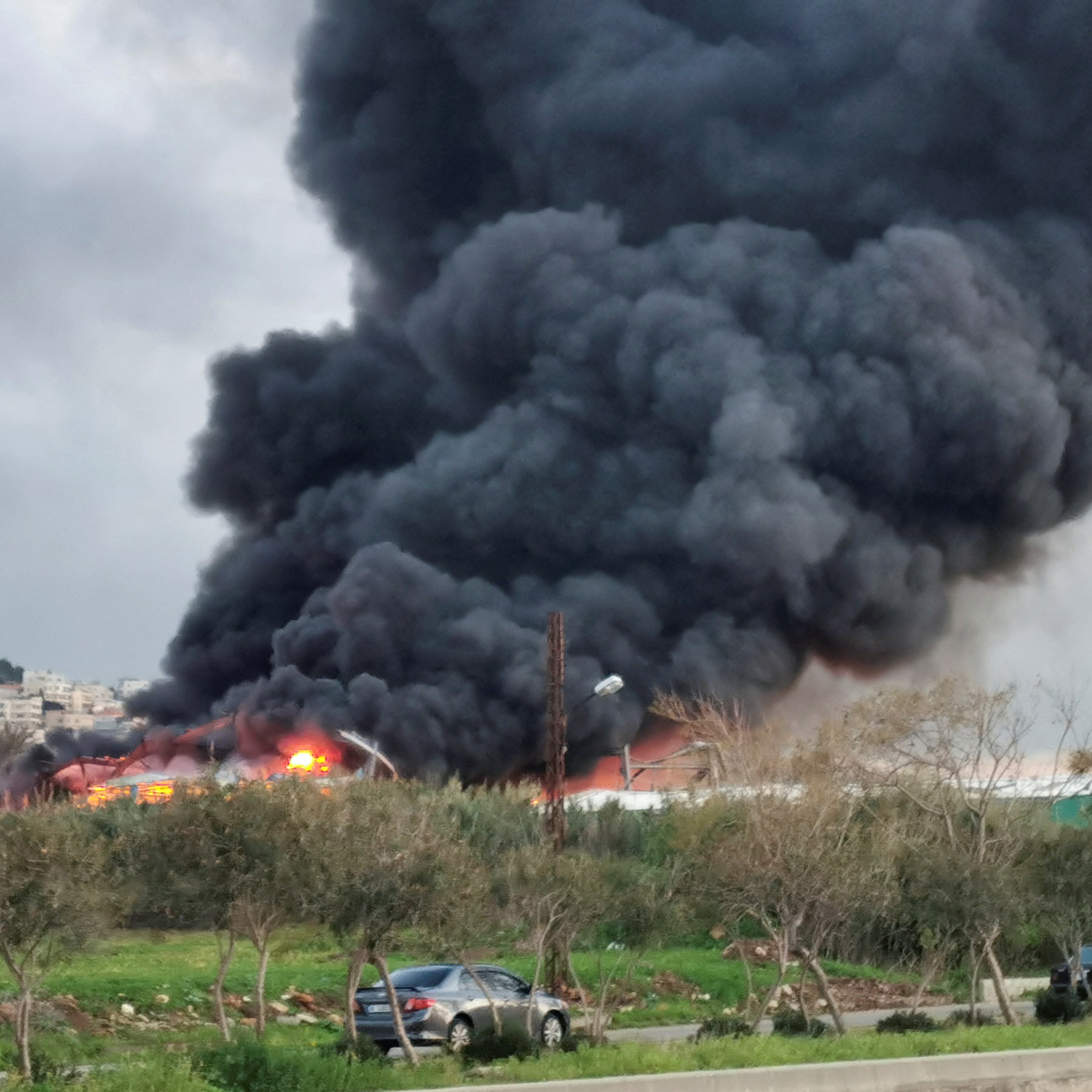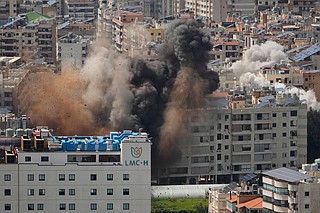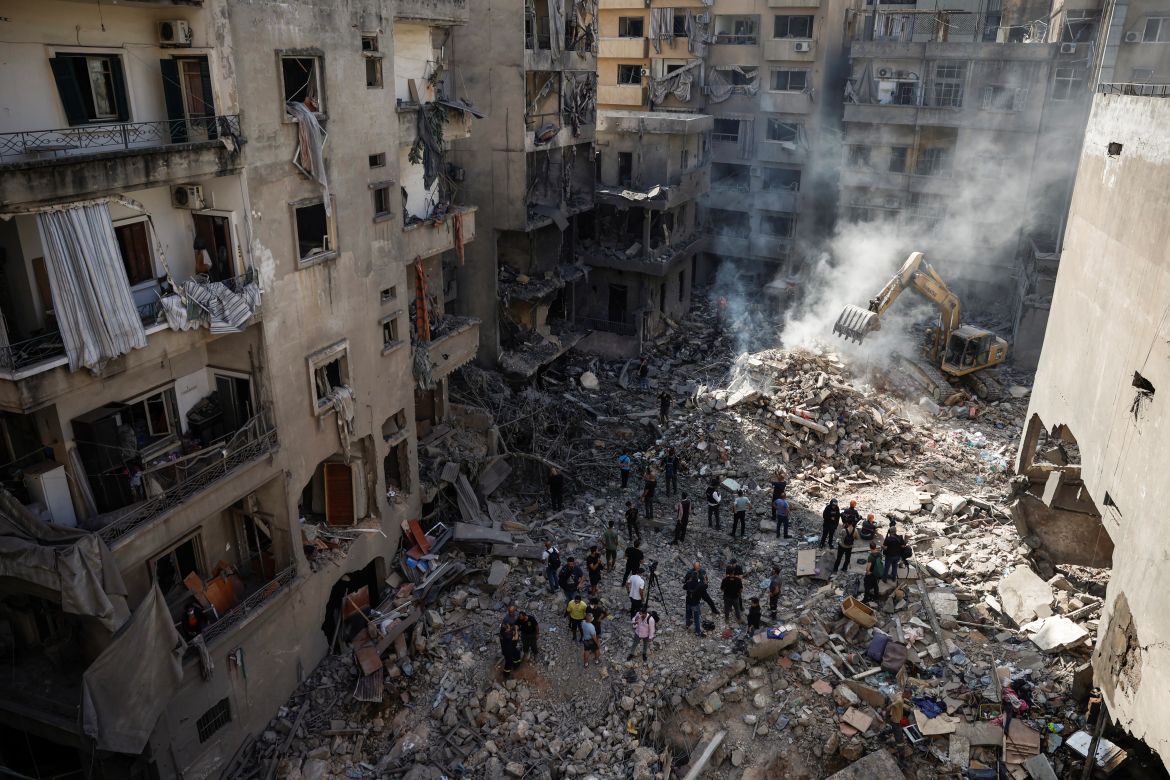
A fragile two-week ceasefire between the United States and Iran is on the brink of collapse following a devastating wave of Israeli airstrikes in Lebanon. The attacks, which occurred on Wednesday, involved approximately 100 strikes in just 10 minutes. Casualty reports remain varied; while Al Jazeera cited at least 254 deaths and 1,165 injuries, France24 reported 182 deaths and 900 wounded, and CNN reported at least 112 deaths according to local Lebanese authorities. France has officially condemned the strikes as "unacceptable."
The regional fallout has expanded, with the Iraqi militia Harakat Hezbollah al-Nujaba threatening to "discipline" Israel in response to the attacks. Akram al-Kaabi, the group's leader, condemned Israel’s "recklessness" and warned that the "Resistance Front" would return to force, accusing Israel of "treachery, lies, and deceit," according to CNN.
Amid the escalation, US Vice President JD Vance clarified that Lebanon is not part of the US-Iran ceasefire, stressing that neither Washington nor Israel agreed to include the country in the pact. This statement came after Pakistan suggested that Lebanon was covered by the agreement. Before the strikes, former US counterterrorism chief Joe Kent warned that Israel could “sabotage” the US-Iran ceasefire and spoil the chance of a lasting deal. UN human rights chief Volker Turk described the Israeli attacks as “horrific,” and the violence has prompted Lebanon to declare an official day of mourning.
International backlash has been swift. Protesters blocked roads outside the Israeli embassy in London to condemn the assault, while in Istanbul, a large convoy of vehicles carrying Palestinian and Turkish flags drove through the city to protest what they termed the “lawless aggression” of the US and Israel, according to Al Jazeera.
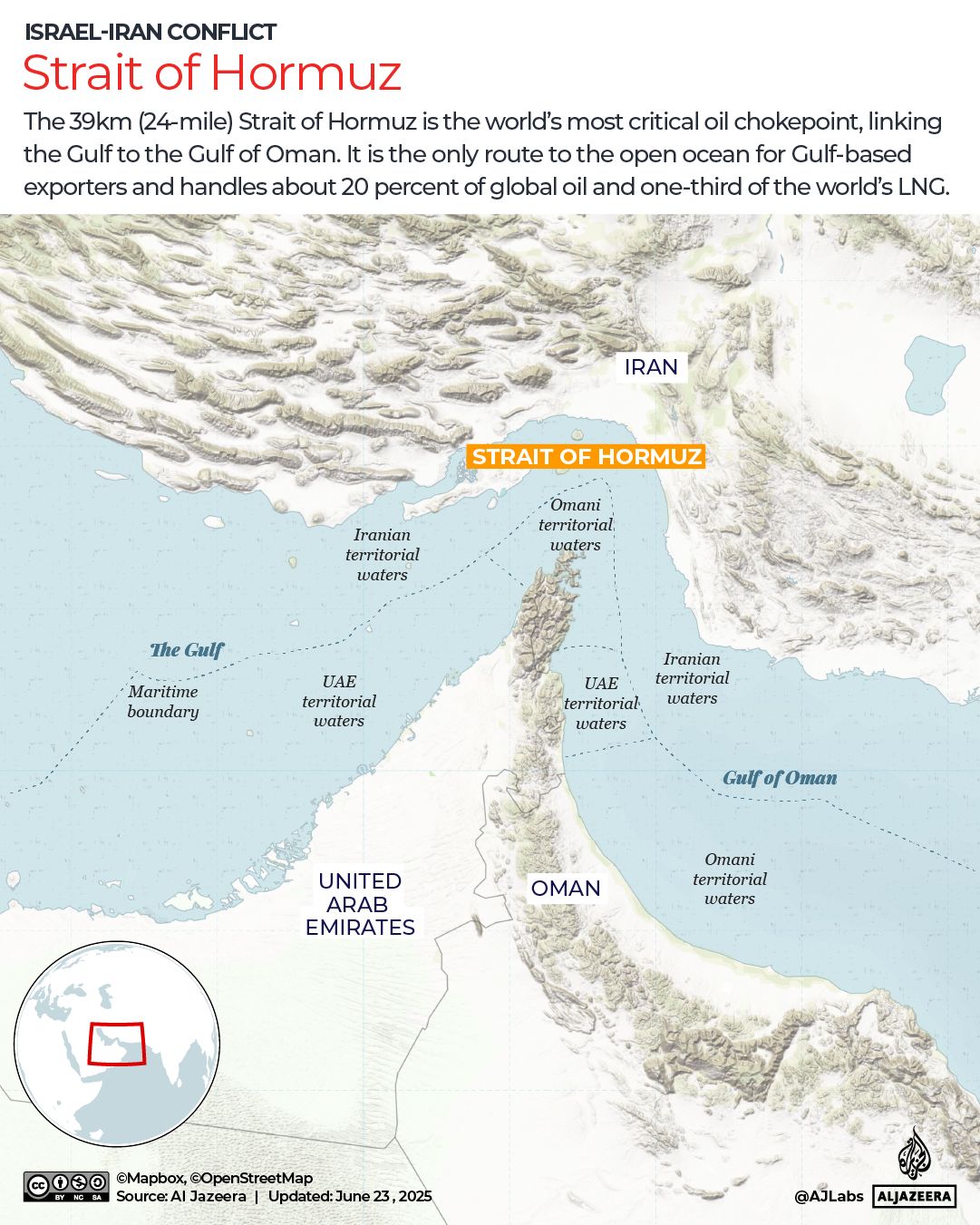
Meanwhile, President Donald Trump has linked the regional volatility to his broader foreign policy agenda. Following a "very frank" meeting with NATO Secretary General Mark Rutte, Trump reiterated his criticism of the alliance, claiming on Truth Social that "NATO WASN'T THERE WHEN WE NEEDED THEM, AND THEY WON'T BE THERE IF WE NEED THEM AGAIN." White House Press Secretary Karoline Leavitt stated that the president believes NATO was "tested and they failed" during the conflict with Iran. Trump has previously threatened to withdraw from the alliance over member states' resistance to his demands for help in reopening the Strait of Hormuz to stabilize global oil prices.
Domestically, Trump issued a warning to Tehran, stating that “all US ships, aircraft, and military personnel” will remain in place around Iran until a “real agreement” is fully complied with. While Trump has characterized the Lebanon strikes as a separate "skirmish," Tehran has responded by threatening to resume hostilities, leaving the two-week-old agreement in a state of extreme uncertainty.