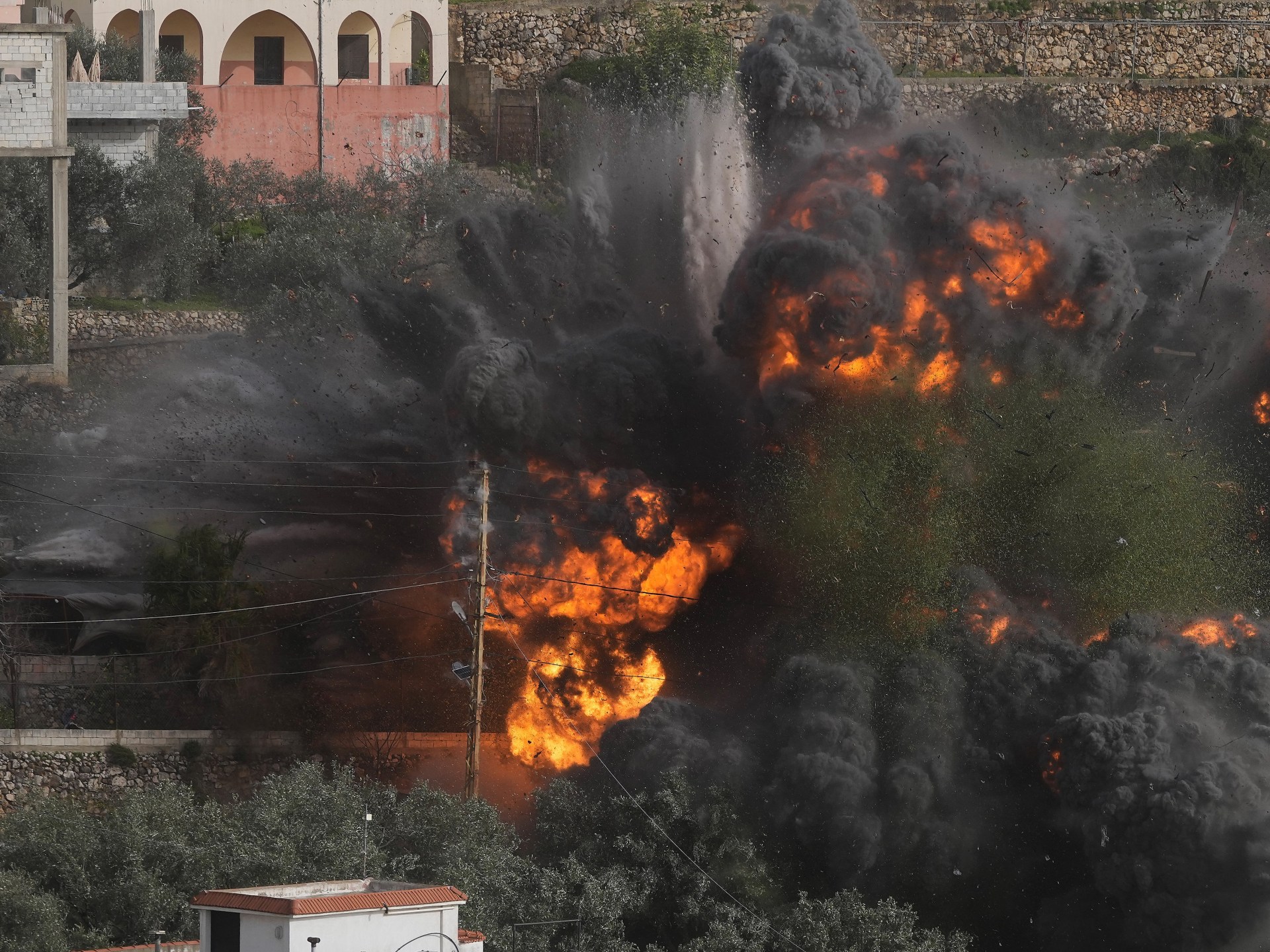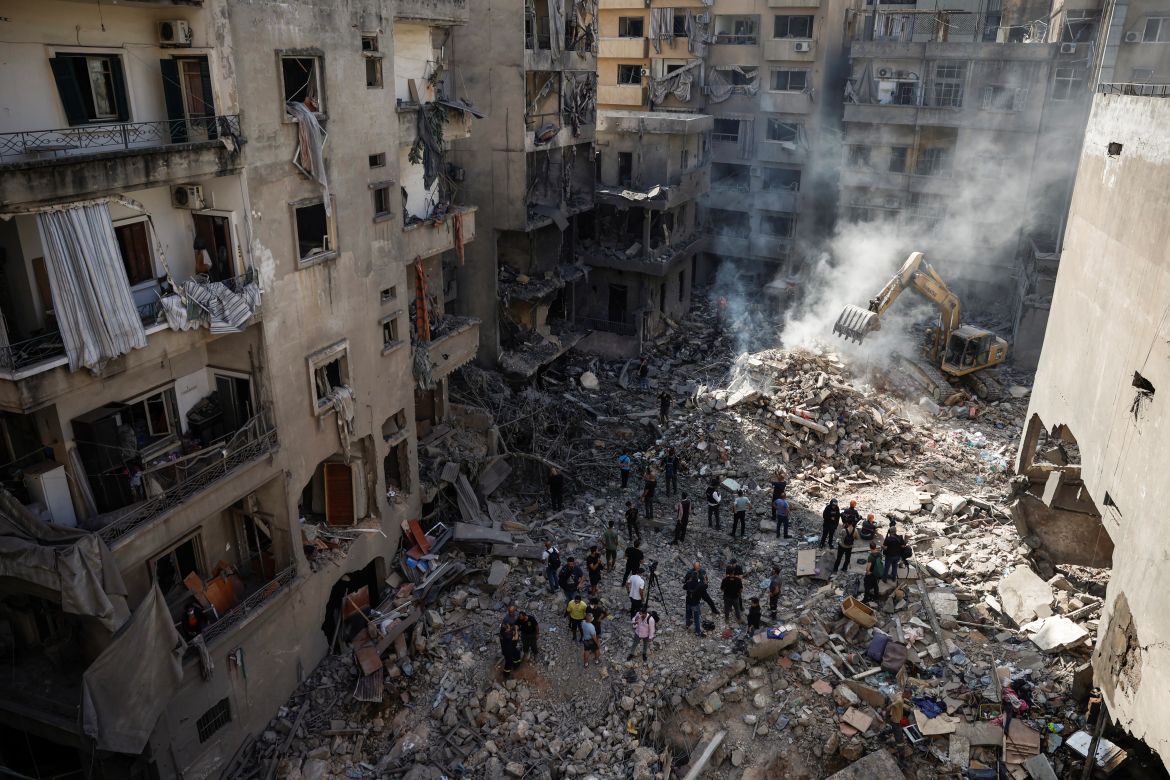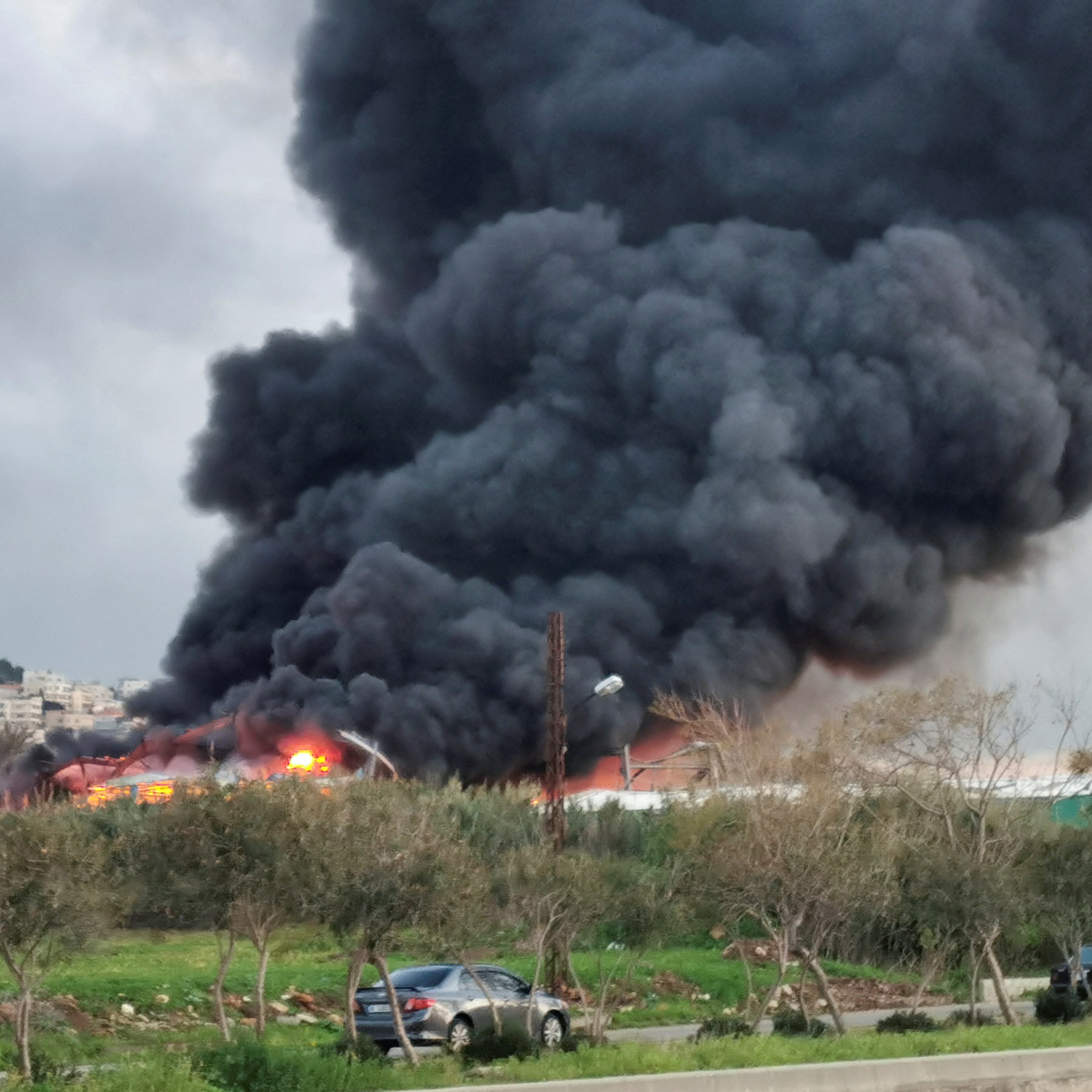
Israeli forces carried out more than 100 air strikes across Lebanon on Wednesday, killing at least 254 people and wounding 1,165 others, according to the Lebanese Civil Defence. The bombardment targeted sites in Beirut, the Bekaa Valley, Mount Lebanon, and Sidon. In his first remarks following the announcement of the fragile truce, Israeli Prime Minister Benjamin Netanyahu explicitly stated that the ceasefire "will not include Hezbollah," according to Al Jazeera.
This military surge occurred hours after a two-week ceasefire was announced between the United States and Iran. While mediators in Pakistan suggested the truce covered the broader region, both US President Donald Trump and Netanyahu have maintained that Lebanon is excluded from the agreement. France 24 reported that the ceasefire was the result of "sensitive behind-the-scenes conversations" mediated by Pakistan, though the truce is already being severely tested before formal talks have even commenced.
"Lebanon is a separate skirmish," Trump told reporters at the White House. Netanyahu echoed this stance, stating that Israel remains prepared to "return to battle at any moment" against Iran despite the ongoing diplomatic efforts.
Lebanese Parliament Speaker Nabih Berri condemned the strikes as a "full-fledged war crime." He stated, "Today’s crime, coinciding with the ceasefire agreement declared in the region — an agreement that Israel and its political and security apparatus have failed to uphold — is a serious test for the international community and a blatant challenge to all international laws."
Hezbollah vowed to retaliate, with lawmaker Hassan Fadlallah warning that the strikes were a "grave violation of the ceasefire" that would have "repercussions for the entire agreement." The group issued a statement affirming, "The blood of the martyrs and the wounded will not be shed in vain, and today’s massacres confirm our natural and legal right to resist the occupation."
Diplomacy under fire
In Tehran, officials and civilians expressed skepticism regarding the durability of the truce. Although the streets saw a return of some traffic, air defense systems were activated in Tehran and Alborz province on Wednesday. The Islamic Revolutionary Guard Corps also reported shooting down a drone in Fars province.
White House spokesperson Karoline Leavitt reiterated that the administration’s "red lines" regarding Iranian uranium enrichment remain unchanged. She confirmed that Vice President JD Vance will lead a US delegation to Islamabad this Saturday to negotiate a long-term agreement.
Leavitt dismissed reports that Trump had accepted a 10-point proposal from Tehran, stating the initial plan was "literally thrown in the garbage." However, Iranian Parliament Speaker Mohammad Bagher Ghalibaf cast doubt on the upcoming talks, arguing that the US and Israel had already violated the ceasefire by continuing operations in Lebanon and intercepting Iranian airspace.
Meanwhile, the situation in the Persian Gulf remains volatile. Iran confirmed that it launched missiles and drones at Saudi Arabia, the UAE, Qatar, Kuwait, and Bahrain in retaliation for attacks on its own oil facilities. While the US-Iran ceasefire is intended to stabilize the region, analyst Barbara Slavin described the administration's claims of victory as "really quite hollow" given the ongoing combat operations and the closure of the Strait of Hormuz.