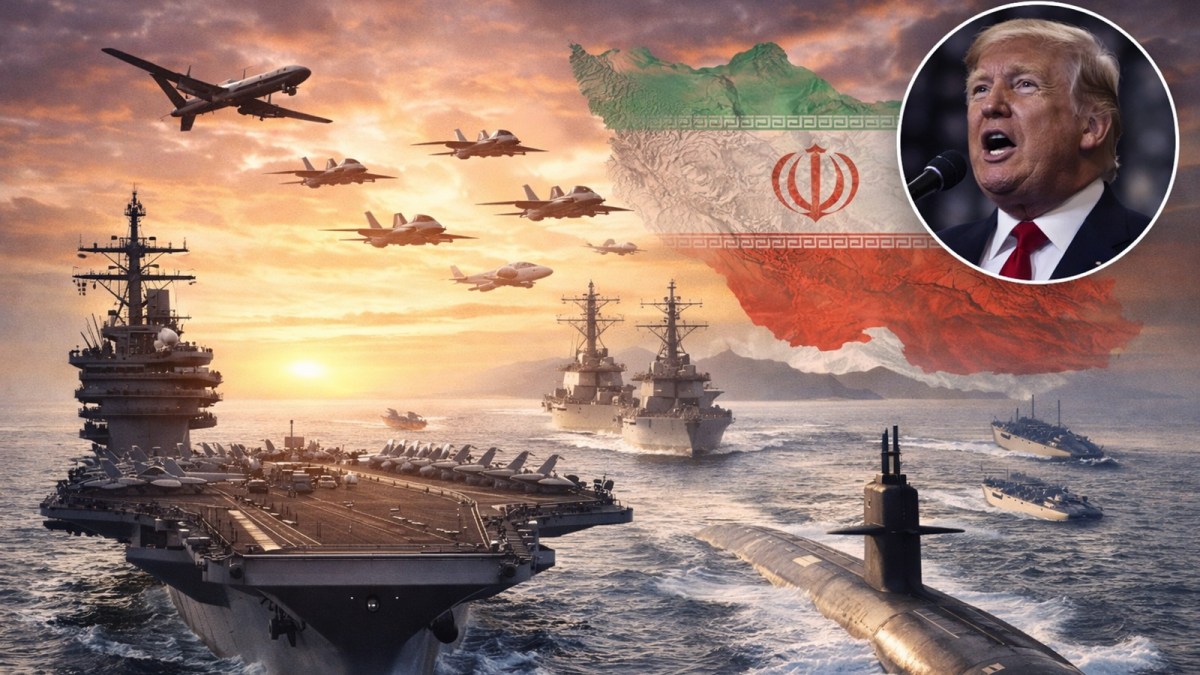
The United States and Iran have entered a two-week ceasefire, halting a six-week conflict that brought the Middle East to the brink of total war. The agreement was reached early Wednesday, less than 90 minutes before a self-imposed deadline set by U.S. President Donald Trump, according to Al Jazeera.
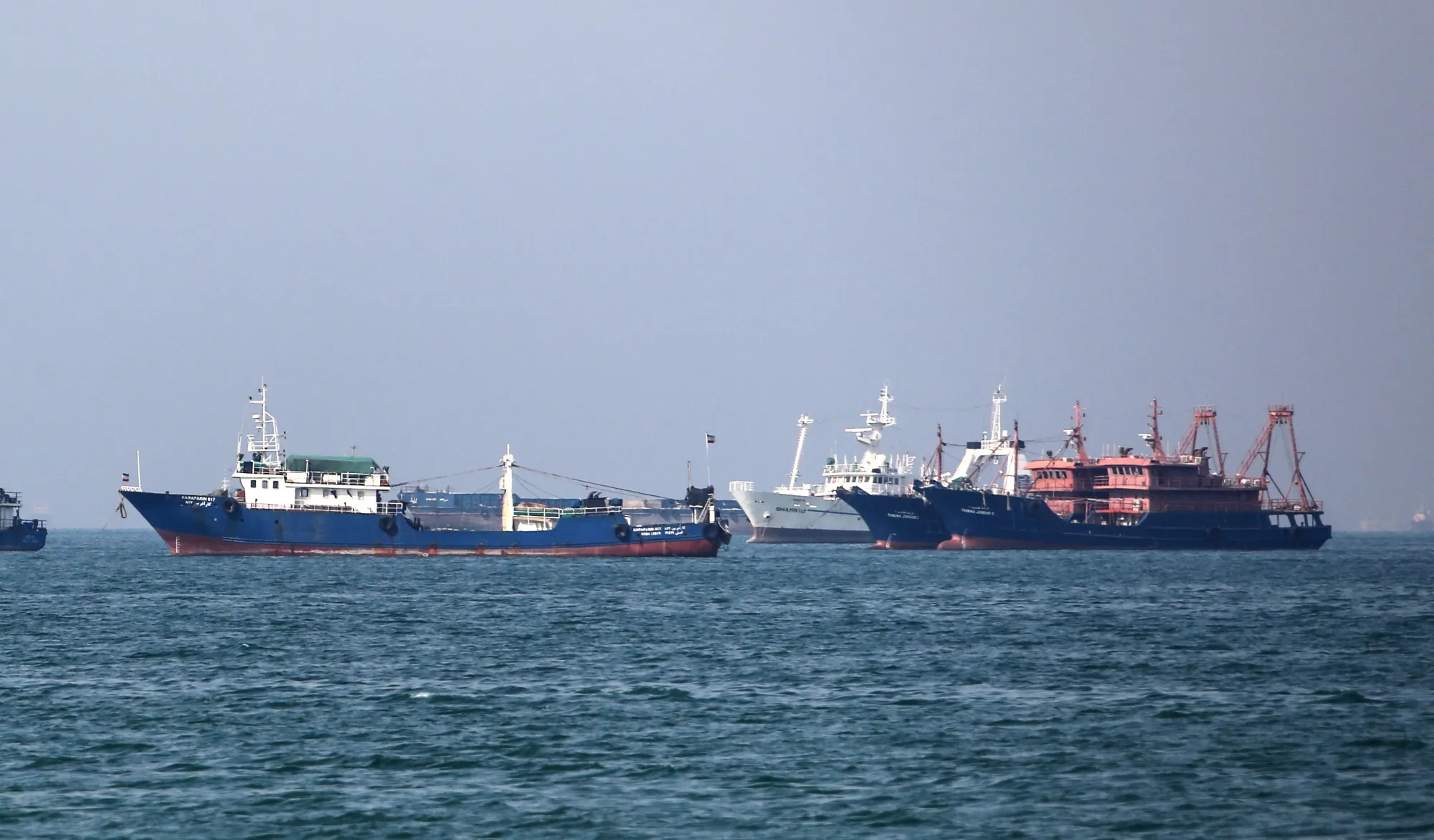
Under the terms of the deal, both nations have agreed to cease all attacks and reopen the Strait of Hormuz. However, significant discrepancies in the interpretation of the deal have already emerged. While President Trump claimed Iran would allow unimpeded transit, Iranian Foreign Minister Abbas Araghchi stated that passage through the waterway would need to be conducted under the auspices of the Iranian armed forces, Al Jazeera reported. Furthermore, while Israel has agreed to halt its own military operations, it explicitly stated that Lebanon is excluded from the arrangement. Other unresolved questions include whether the U.S. has agreed to allow Iran to pursue uranium enrichment; notably, the White House has clarified that Trump’s 'red line' against Iranian nuclear enrichment remains in place, Al Jazeera reported. It also remains unclear if the 10-point list of demands provided by Iran was accepted as a binding agreement or merely a conversation starter.
Negotiators are scheduled to meet in Islamabad on Friday to begin discussions on a permanent settlement. The conflict has exacted a devastating toll: at least 2,076 people have died in U.S.-Israel strikes on Iran since they began on February 28, with thousands more killed across the region, according to Al Jazeera.
In the hours preceding the truce, the rhetoric from the White House reached an apocalyptic pitch. President Trump threatened to bomb Iran back into the "Stone Ages" and warned that if his deadline to reopen the Strait of Hormuz was not met, "a whole civilisation will die tonight, never to be brought back again." Trump later noted on Truth Social that he agreed to the suspension of bombing after receiving a "workable" 10-point ceasefire proposal, noting that the decision followed conversations with Pakistani Prime Minister Shehbaz Sharif and Field Marshal Asim Munir, who requested he "hold off the destructive force being sent tonight to Iran."
Trump further detailed his military objectives on Truth Social, stating, "We have a plan, because of the power of our military, where every bridge in Iran will be decimated … where every power plant in Iran will be out of business, burning, exploding, and never to be used again." Human rights experts described these threats as akin to "genocidal" language.
Lingering violence at Lavan
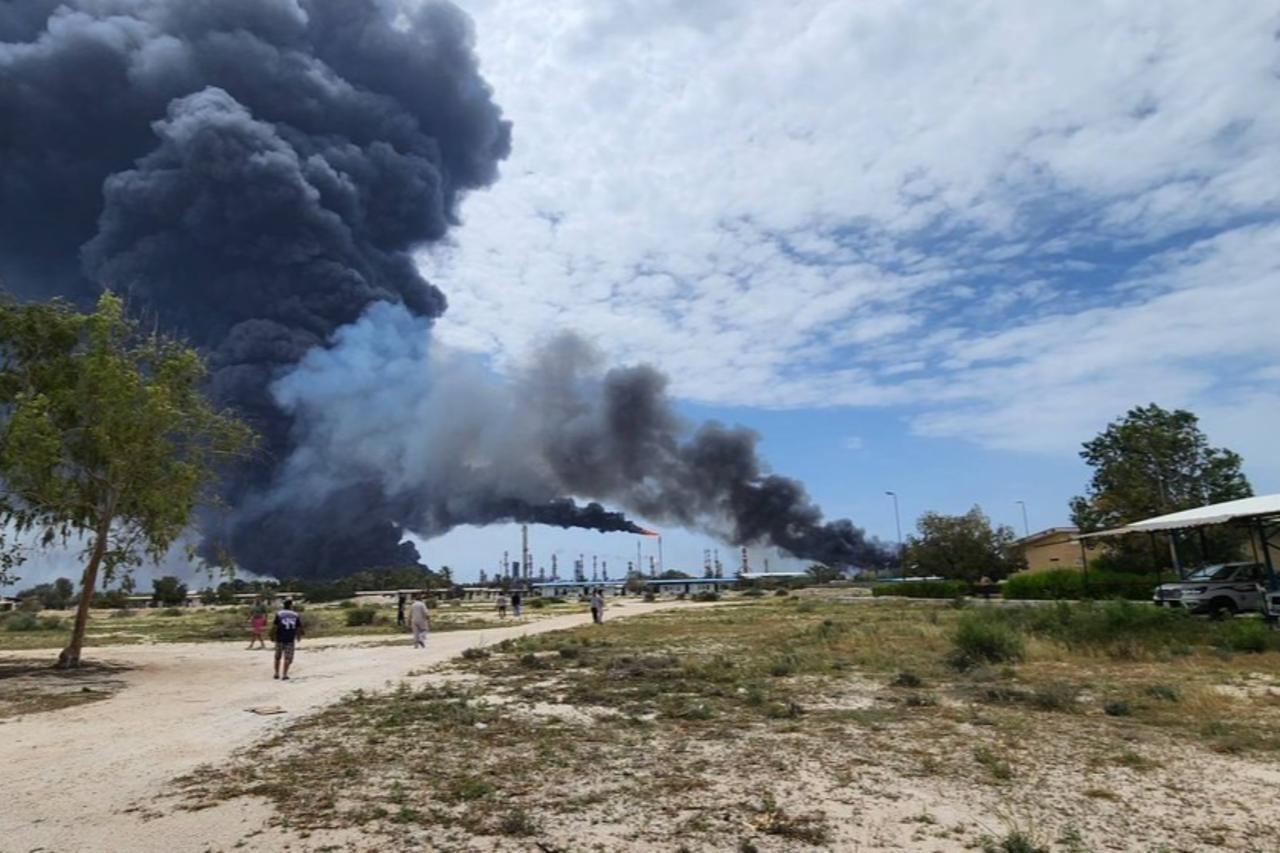
Despite the ceasefire announcement, hostilities appear to have continued on the ground. Black plumes of smoke were visible over Lavan Island on Wednesday morning as a fire continued to burn at the local oil refinery. Iranian authorities confirmed the site was hit in what they characterized as an "enemy attack." The refinery company reported the damage occurred Wednesday morning, though no casualties have been reported thus far.
While both Washington and Tehran have claimed victory, analysts suggest that both sides shifted on earlier stated red lines to reach the deal, which could complicate the upcoming Islamabad talks. While it remains unclear if the agreement will lead to a lasting peace, observers note that the conflict has fundamentally changed the global stage, according to Al Jazeera. President Trump signaled optimism following the diplomatic breakthrough, suggesting on Truth Social that the ceasefire could usher in a "Golden Age for the Middle East." The truce arrives after mediation efforts led by Pakistan, which successfully de-escalated the situation shortly before the U.S. deadline was set to expire.