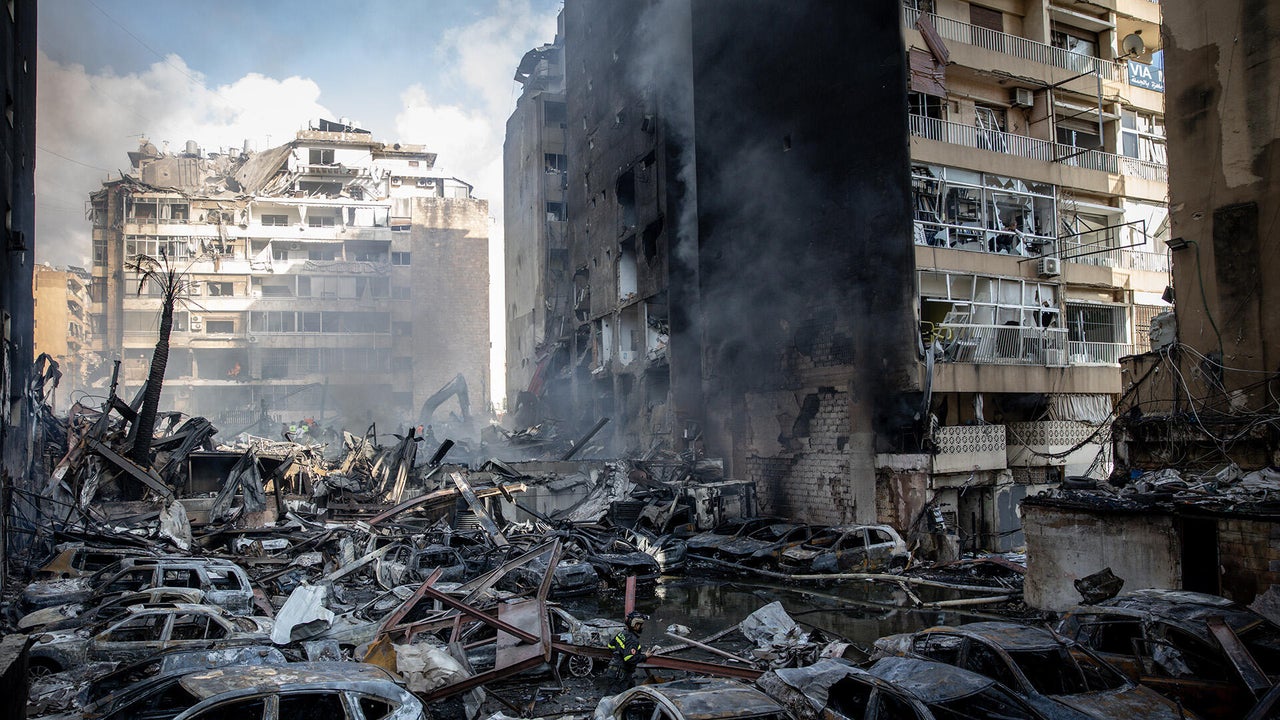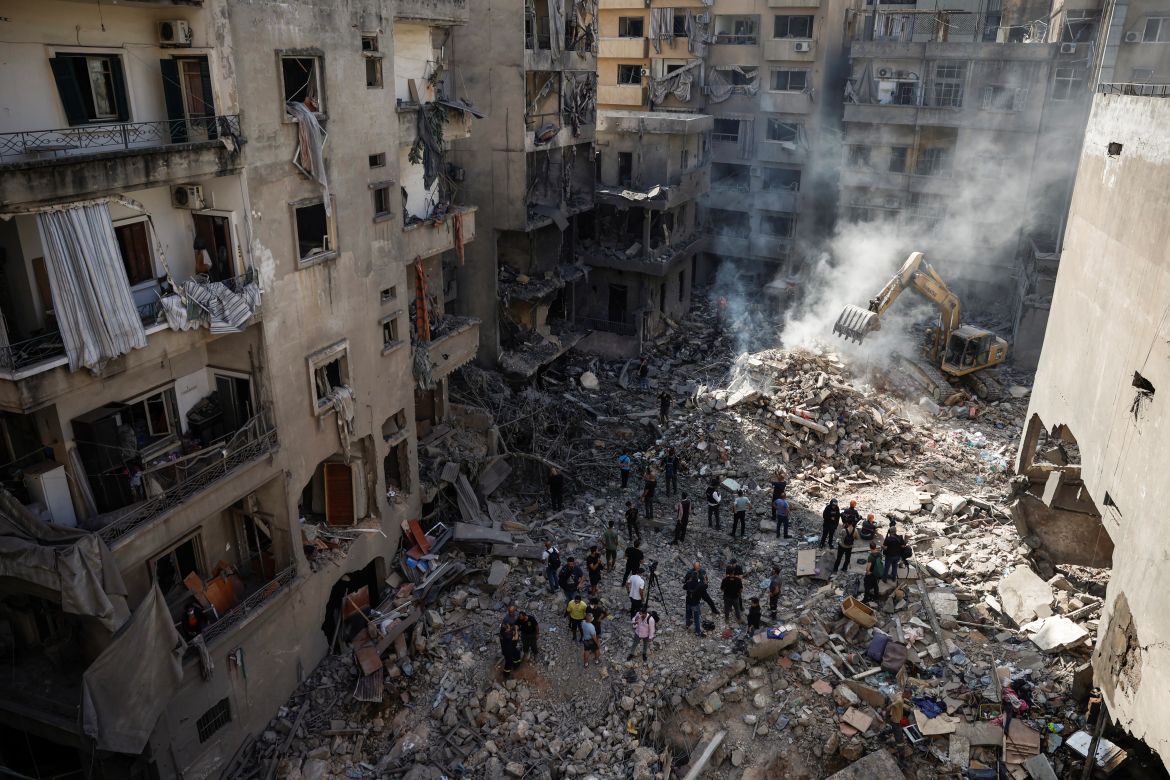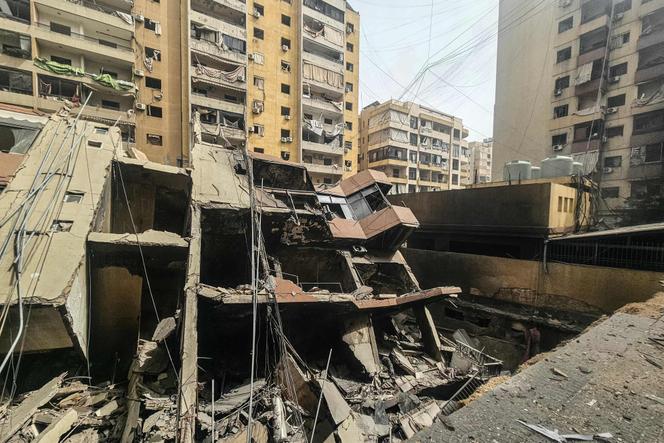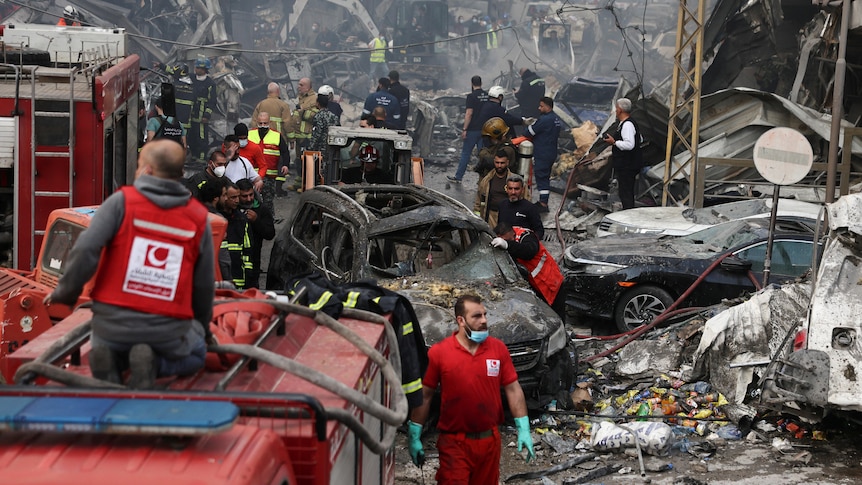
Israeli air strikes killed more than 250 people across Lebanon on Wednesday, marking the deadliest day since the US-Israel war on Iran began six weeks ago. The wave of attacks targeted over 100 locations, including Beirut, the Bekaa Valley, and southern Lebanon.
The violence erupted hours after a two-week United States-Iran ceasefire was announced. While Pakistani Prime Minister Shehbaz Sharif stated the deal includes a halt to attacks on all fronts, including Lebanon, both the US and Israel claim the agreement excludes the Lebanese theater.
Lebanon’s civil defence reported at least 254 deaths and 1,165 injuries. The head of Lebanon’s syndicate of doctors, Elias Chlela, issued an urgent call for all medical specialists to report to hospitals as facilities struggle to manage the influx of casualties.
Dispute over ceasefire scope
Israeli officials claim the strikes targeted Hezbollah military infrastructure, though Lebanese officials and aid groups report the destruction of entire neighborhoods. Parliament Speaker Nabih Berri called the strikes on populated areas a "full-fledged war crime."
US President Donald Trump clarified that while a cessation of hostilities exists between Washington and Tehran, the Lebanese conflict remains a "separate skirmish." US Vice President JD Vance echoed this stance in Budapest, stating that the United States never included Lebanon as part of the ceasefire.
"I think the Iranians thought that the ceasefire included Lebanon, and it just didn’t," Vance told reporters. He added that it would be "dumb" for Iran to jeopardize upcoming negotiations in Islamabad over a conflict he described as having nothing to do with Tehran.
Iran has rejected this interpretation. Foreign Minister Abbas Araghchi stated the US must choose between a ceasefire or continued war via Israel, writing on X, "The ball is in the US’ court."
Pakistan, which acted as the central mediator for the truce, maintains that the agreement covers all fronts. Prime Minister Sharif previously announced that the ceasefire was effective immediately across the region, specifically mentioning Lebanon.
Negotiations for a permanent settlement are scheduled to begin in Islamabad this Saturday. The current ambiguity regarding the scope of the truce has led to fears that the agreement may collapse before talks even commence.