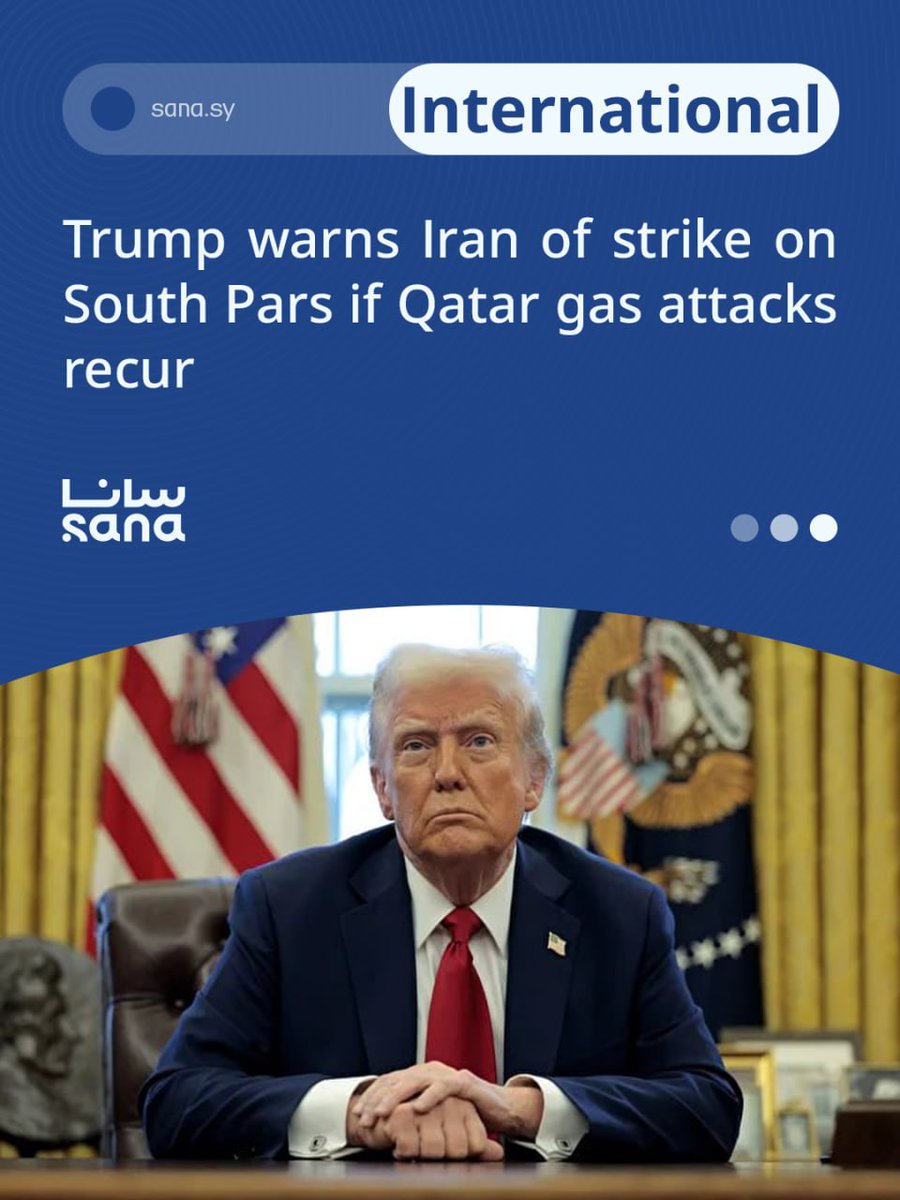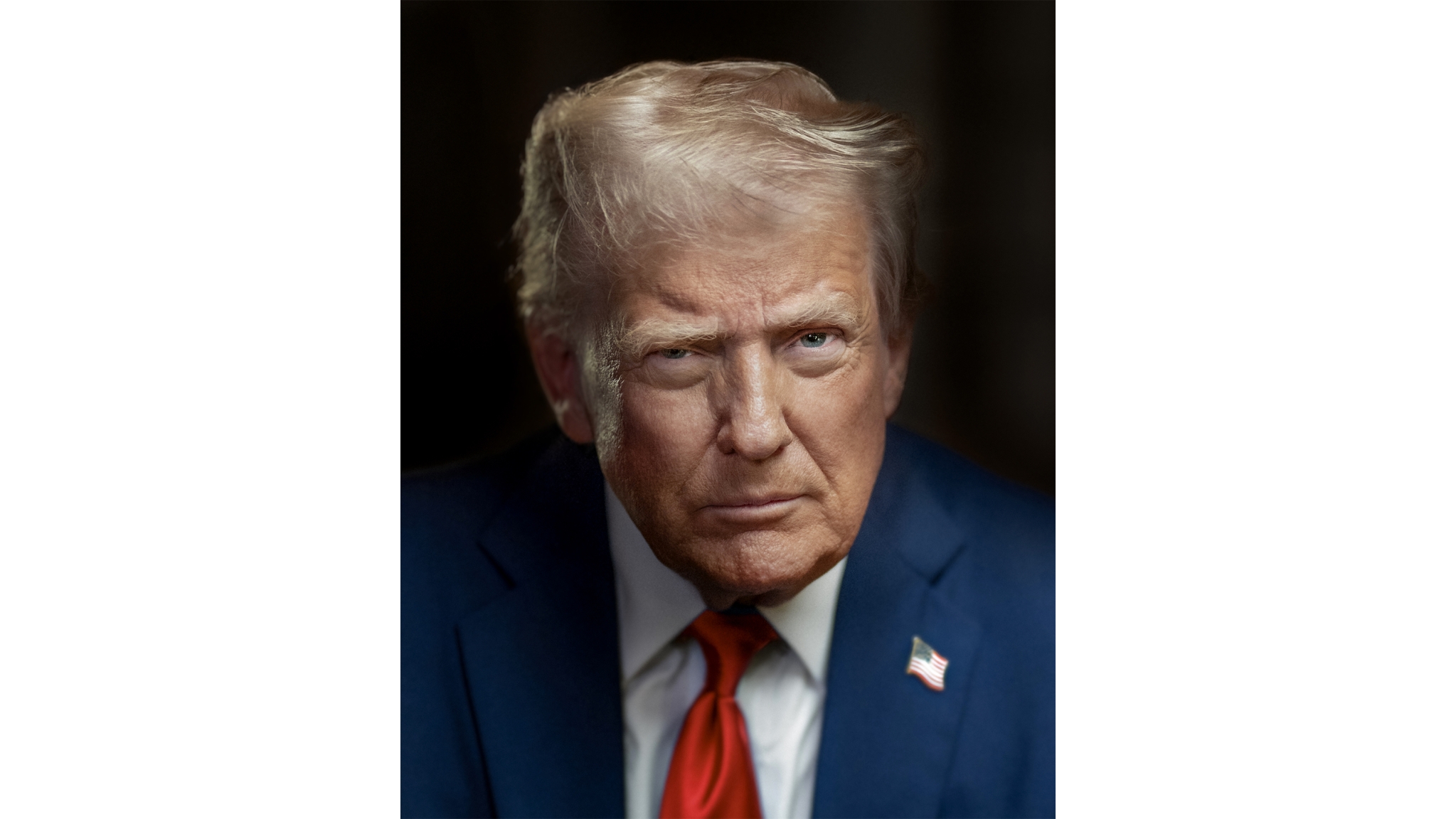
United States President Donald Trump issued a blunt ultimatum to Tehran on Monday, threatening to destroy Iranian power plants and bridges if the Strait of Hormuz is not reopened by early Wednesday morning. Trump announced the threat in a profanity-laced post on his Truth Social platform, declaring: “Tuesday will be Power Plant Day, and Bridge Day, all wrapped up in one, in Iran. There will be nothing like it!!!”
The threat comes as the US-Israel conflict with Iran reaches its 38th day. Israeli forces intensified their military operations on Monday, killing the intelligence chief of Iran's Revolutionary Guards, Majid Khademi. Additionally, at least 34 people died in strikes targeting a university in Tehran and the South Pars Petrochemical Plant in Asaluyeh.
Diplomatic efforts and escalation
Pakistan is currently spearheading a "frantic" diplomatic effort to broker a two-phased ceasefire. According to a source cited by Reuters, Pakistan’s army chief, Field Marshal Asim Munir, has maintained continuous contact with US Vice President JD Vance and Iranian Foreign Minister Abbas Araghchi to finalize an agreement often referred to as the “Islamabad Accord.” The proposal aims for an immediate ceasefire and the reopening of the Strait of Hormuz, followed by a 15-to-20-day period to negotiate a permanent settlement, including potential sanctions relief for Iran.
However, prospects for an immediate breakthrough remain dim. A senior Iranian official told Reuters that Tehran will not reopen the Hormuz transit route as part of a temporary truce, nor will it accept deadlines. Meanwhile, the conflict has expanded into a broader economic crisis. The price of U.S. gasoline has surged past $4.12 per gallon, with California seeing prices as high as $5.90, according to data from the American Automobile Association. The global energy supply remains under extreme pressure as Iran-backed forces threaten to expand their blockade to the Bab al-Mandeb shipping route.
Ali Akbar Velayati, a top adviser to Supreme Leader Mojtaba Khamenei, warned on X that the "unified command of the Resistance front views Bab al-Mandeb as it does Hormuz." This expansion of hostilities could potentially choke off 20 percent of the world’s oil and gas supply, which typically transits these waterways.
Adding to the diplomatic friction, President Trump confirmed in a Fox News interview that the US had armed Iranian opposition groups, including Kurds, during mass anti-government demonstrations in December and January. Trump told interviewer Trey Yingst: “We sent them a lot of guns. We sent them to the Kurds.” Analysts suggest this admission validates Tehran’s long-standing claims that the internal protests were foreign-inspired. Since the start of the war, at least 2,076 people have been killed in Iran, with 26,000 others injured.