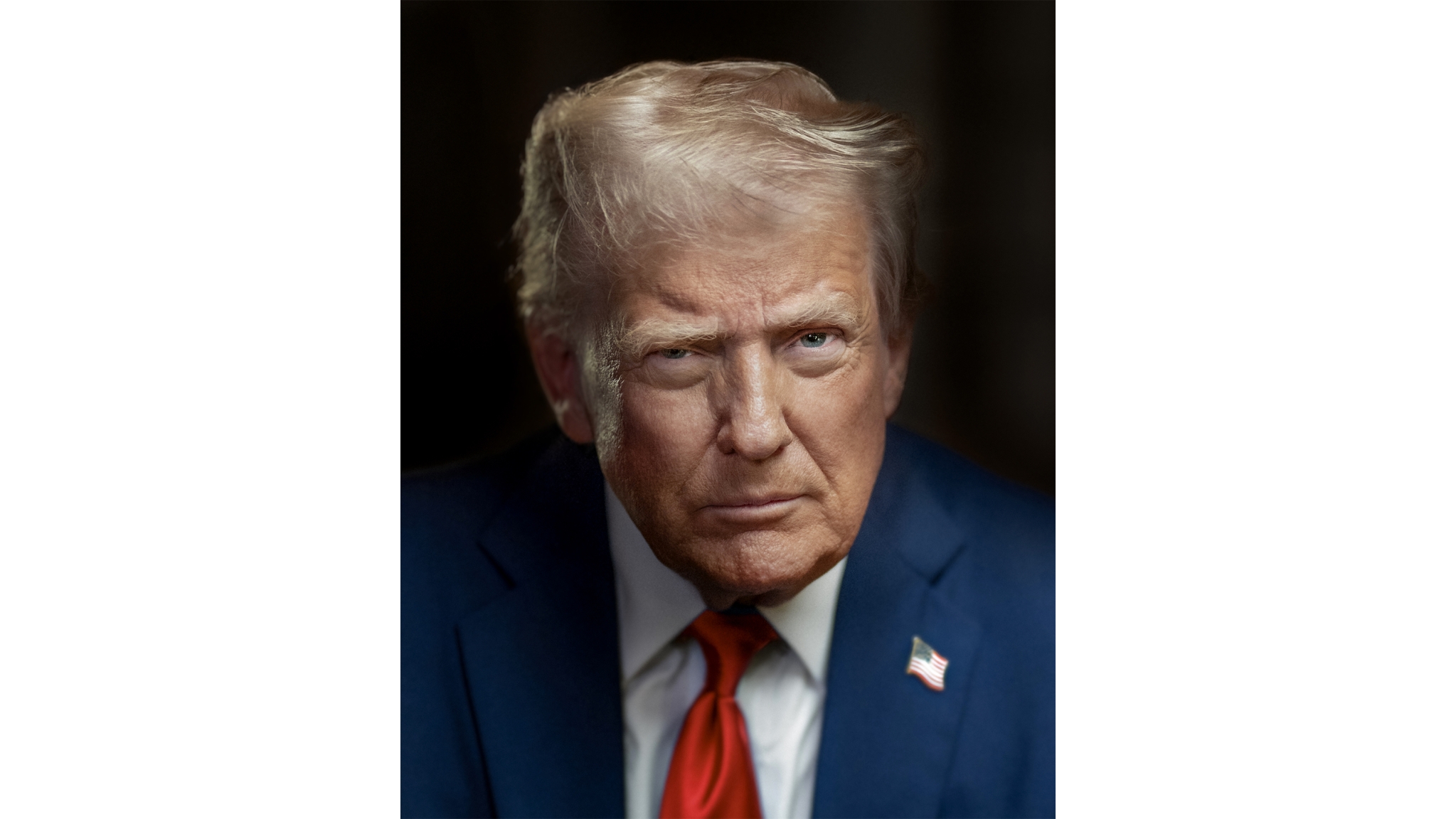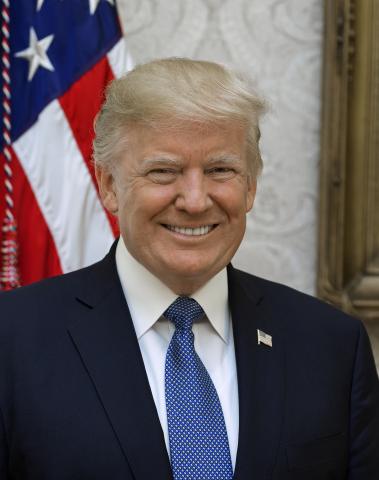
President Donald Trump faces mounting pressure from both sides of the aisle to vacate the Oval Office, with critics citing his recent threats of total civilizational destruction and his aggressive military posture regarding Iran. Former allies and Democratic leaders alike are now openly discussing the invocation of the 25th Amendment, which allows the vice president and a majority of the Cabinet to declare a president incapacitated.
“¡La 25 Enmienda! No ha caído ni una sola bomba sobre EE.UU. No podemos aniquilar a toda una civilización. Esto es maldad y locura,” wrote former Republican congresswoman Marjorie Taylor-Greene on X. The call gained momentum as other prominent conservative voices, including commentator Alex Jones and former White House communications director Anthony Scaramucci, questioned the president's fitness to command.
“Fue en este punto que nuestros fundadores pensaron que lo mejor sería destituir a un demente que ocupaba el cargo ejecutivo. Esto se formalizó con la 25 enmienda, pero ahora más personas deberían exigir la destitución de este hombre,” stated Scaramucci. While there is no evidence that Vice President J.D. Vance or the current Cabinet are moving to trigger the constitutional provision, the rhetoric underscores deep anxiety within Washington regarding the potential for an uncontrollable military escalation.
Simultaneously, Democratic lawmakers are pursuing impeachment proceedings against both Trump and Defense Secretary Pete Hegseth. Representative Yassamin Ansari announced plans to file articles of impeachment against Hegseth, citing the targeting of civilian infrastructure—including a girls' school in Minab—as potential war crimes. “Solo el Congreso tiene el poder de declarar la guerra, no un presidente deshonesto ni sus secuaces,” declared Ansari.
Diplomacy in doubt
The domestic political firestorm coincides with conflicting reports regarding a two-week ceasefire mediated by Pakistani Prime Minister Shehbaz Sharif. While Sharif announced the truce on Wednesday, the administration of the agreement remains fractured. Iran claims the ceasefire includes all fronts, including Lebanon, but both the White House and Israel maintain that Lebanon is excluded from the pact. As of Wednesday, the truce was reported to be hanging in the balance, with Tehran threatening to resume hostilities as war flares in Lebanon, according to France 24.
Despite the friction, an Iranian delegation is scheduled to arrive in Islamabad to negotiate a definitive deal. These diplomatic efforts occur under the shadow of Trump’s recent mandate that U.S. forces will remain in their positions throughout Iran and the surrounding region to ensure the “persecución y destrucción letales” of a “enemigo considerablemente debilitado.”
Trump warned that if the terms of the agreement are not met, a larger-scale engagement would begin. “Si por cualquier motivo no fuera así, entonces comenzará el tiroteo a mayor escala, siendo este mejor y con mucha más fuerza de lo que nadie haya visto jamás,” the president stated via social media.
On the ground, the situation remains volatile. The Iranian Revolutionary Guard has instructed vessels to avoid the main transit routes of the Strait of Hormuz, citing potential anti-ship mines, while Tehran has reported the downing of two Israeli drones in its airspace. As the diplomatic mission heads to Pakistan, the promise of a peaceful resolution is increasingly overshadowed by the risk of renewed hostilities.