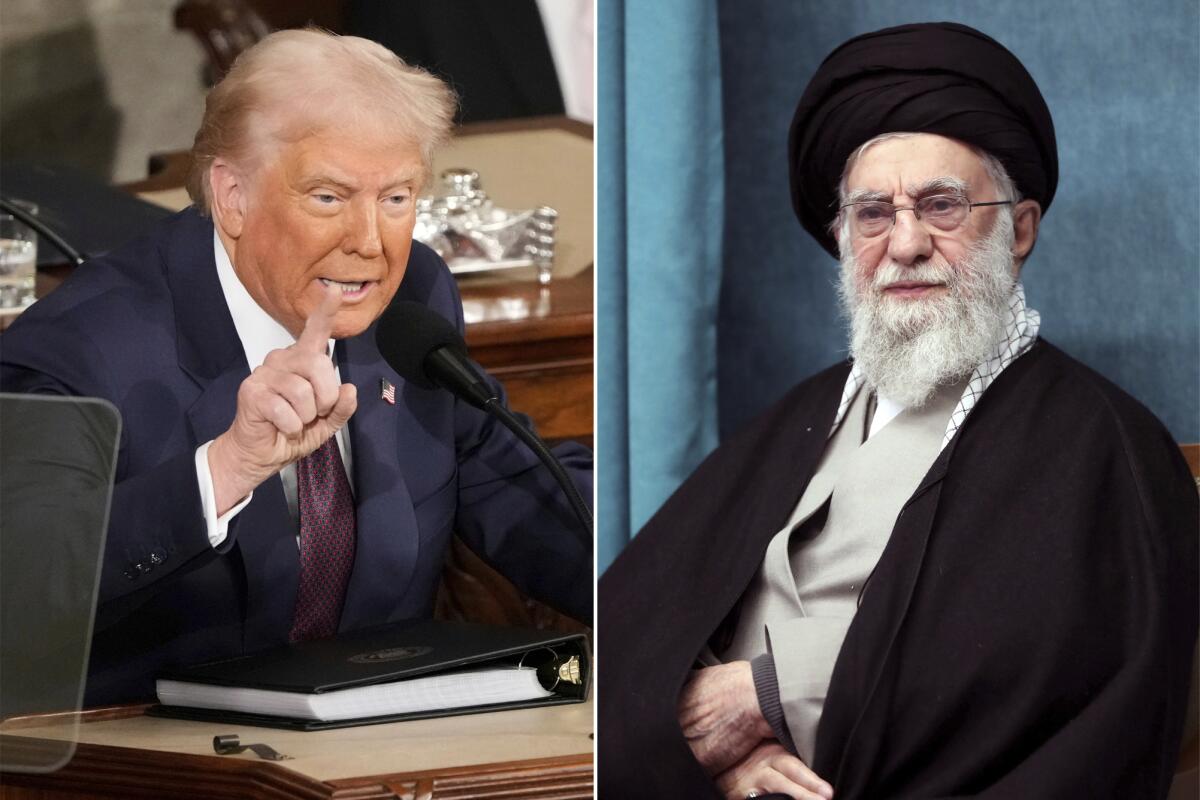
President Donald Trump issued a final ultimatum to Iran on Monday, threatening the "complete demolition" of the country's power grid and transportation infrastructure if a deal to reopen the Strait of Hormuz is not reached by 20:00 Washington time on Tuesday. Trump stated he would send the nation back to the "Stone Ages" if his conditions for the free flow of energy are not met.
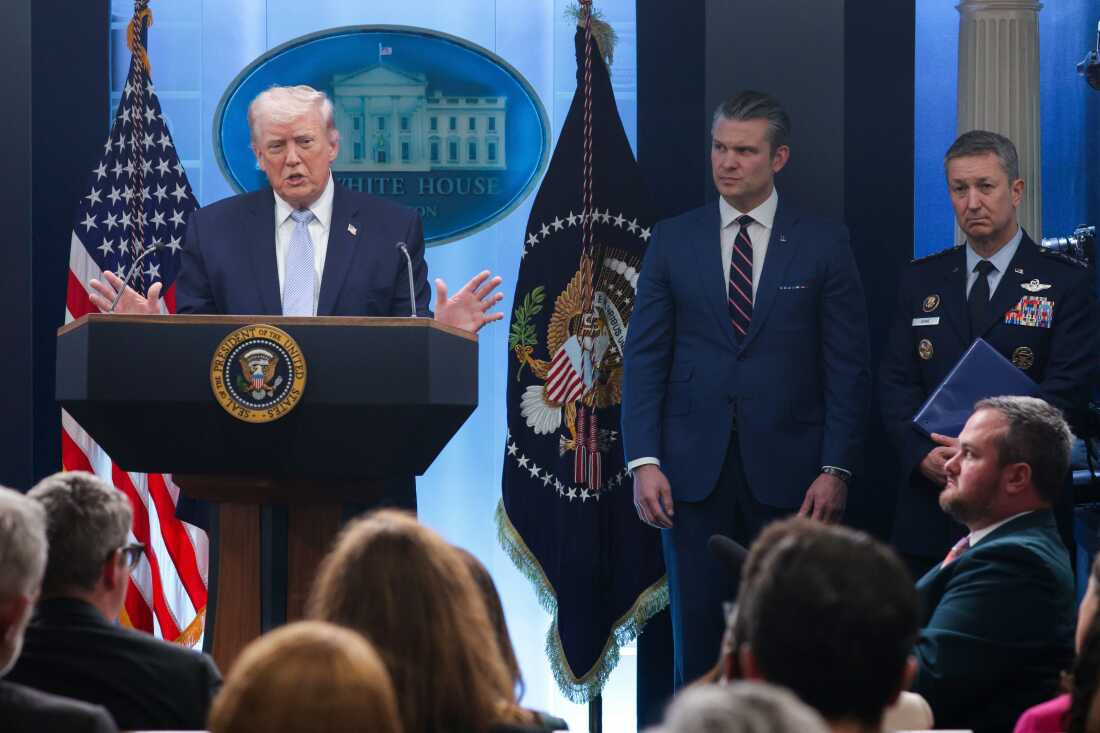
"The entire country can be taken out in one night – and that night might be tomorrow night," Trump said during a White House press conference. He added that the destruction would be swift, noting, "They're going to have no bridges. They're going to have no power plants."
Despite the threats, Trump claimed he believed "reasonable" leaders in Iran were negotiating in "good faith," though he admitted the outcome remains uncertain. Al Jazeera reported that Trump characterized Iran's response to a US ceasefire proposal as "significant" but "not good enough." Iran has rejected temporary ceasefire offers, instead demanding a permanent end to hostilities and the lifting of all sanctions.
The rescue operation
The president’s comments followed a high-stakes military mission to recover two crew members of an F-15 fighter jet downed in southern Iran. Trump praised the operation, which he said involved over 170 aircraft. According to the president, 21 aircraft were used to recover the first crew member and 155 for the second. He noted that two transport planes became stuck in the sand during the mission and were subsequently destroyed.
US officials and media reports cited by Expansión stated that hundreds of special operations troops, including Navy SEAL Team 6, participated in the recovery. However, Iranian officials offered a starkly different account. Esmail Baqai, a spokesperson for the Iranian Ministry of Foreign Affairs, dismissed the US narrative as a "disaster" and claimed the operation was "completely thwarted."
Tehran has cast doubt on the American account, with Baqai noting that the location mentioned for the rescue was far from where US forces attempted to land. He also suggested the mission might have been a "deception operation to steal enriched uranium." The Iranian Revolutionary Guard reportedly published a photograph claiming to show the remains of a US soldier, though the veracity of the image remains unverified.
Trump reacted with hostility to the reporting of these tactical details. He threatened to imprison unidentified individuals if they did not reveal the source of leaks regarding the missing pilot. "We're going to go to the company that published it and we're going to say, 'National security. Hand it over or go to jail,'" he said.
As the deadline approaches, a regional official familiar with the talks noted that communication remains difficult due to a blackout. "To convey messages to Iran, getting a response in a reasonable time is not possible," the official said, adding that responses often take a day. Mediation efforts involving Turkey, Egypt, and Pakistan have yet to produce a breakthrough.
Legal experts have cautioned against the scale of the president's threats. Tess Bridgeman, a former Obama-era National Security Council legal advisor, told CBS that "obliterating all power plants, threatening coercive actions against the civilian population to try to bring a government to the negotiating table, those kinds of things are all flatly illegal."
Trump maintained that the US is negotiating from a position of power. "We won," he said. "They are militarily defeated. The only thing they have is the psychology of: 'Oh, we're going to drop a couple of mines in the water.'" Despite the bravado, the president acknowledged the tactical difficulty of the region, admitting, "We can bomb the hell out of them. We can knock them for a loop. But to close the Strait, all you need is one terrorist."