A Shift in Regional Conflict
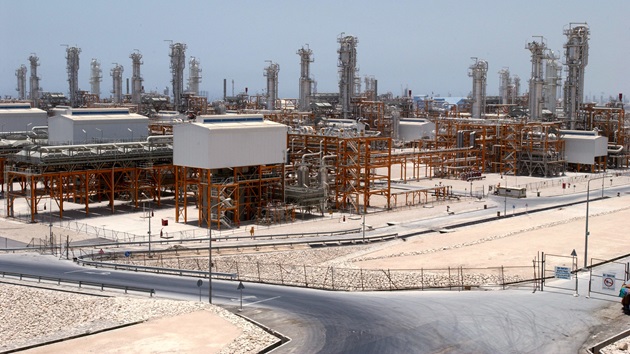
Tensions in the Middle East reached a critical juncture this week as the conflict expanded into the region’s vital energy sector. Following an Israeli military strike on Iran’s South Pars gas field in Bushehr province, United States President Donald Trump has moved to distance his administration from the operation, asserting that the US had “nothing to do” with the attack.
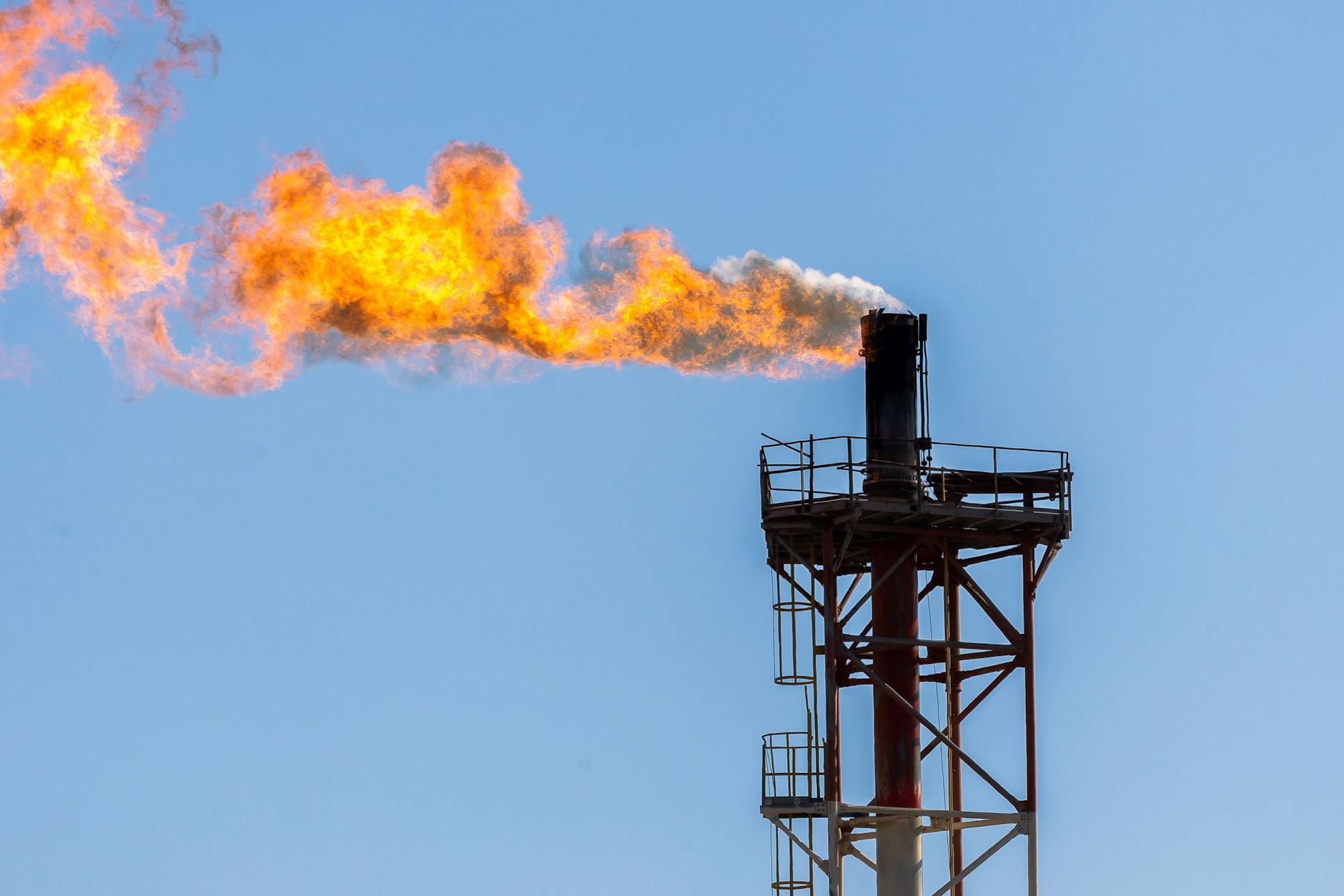
The strike on South Pars, which sits atop the world’s largest natural gas deposit, marks a significant escalation in the ongoing hostilities. Previously, energy production facilities had largely been spared to avoid triggering a catastrophic regional economic collapse. The targeting of this facility has now shattered that unspoken precedent, prompting immediate and violent retaliation from Tehran.
Conflicting Reports on US Awareness
While President Trump stated on his TruthSocial platform that the US “knew nothing about this particular attack,” his claims appear to contrast with earlier reporting. According to The Wall Street Journal, US officials had suggested that the President was aware of the Israeli plan in advance and had initially supported it as a strategic signal to Tehran regarding the blockade of the Strait of Hormuz.
This discrepancy has fueled skepticism among analysts and international observers. Rosiland Jordan, reporting from Washington, D.C., noted that the situation raises serious questions regarding the transparency and coordination between Washington and Tel Aviv during the planning stages of the operation.
Retaliation and Energy Security
The consequences of the strike were immediate. Iran responded by launching missile attacks against energy infrastructure in neighboring Gulf states, including Qatar, Saudi Arabia, and the United Arab Emirates. Qatar’s Ras Laffan Industrial City, a major hub for liquefied natural gas (LNG) exports, sustained significant damage, while the UAE was forced to suspend operations at the Habshan gas facility and the Bab oilfield.
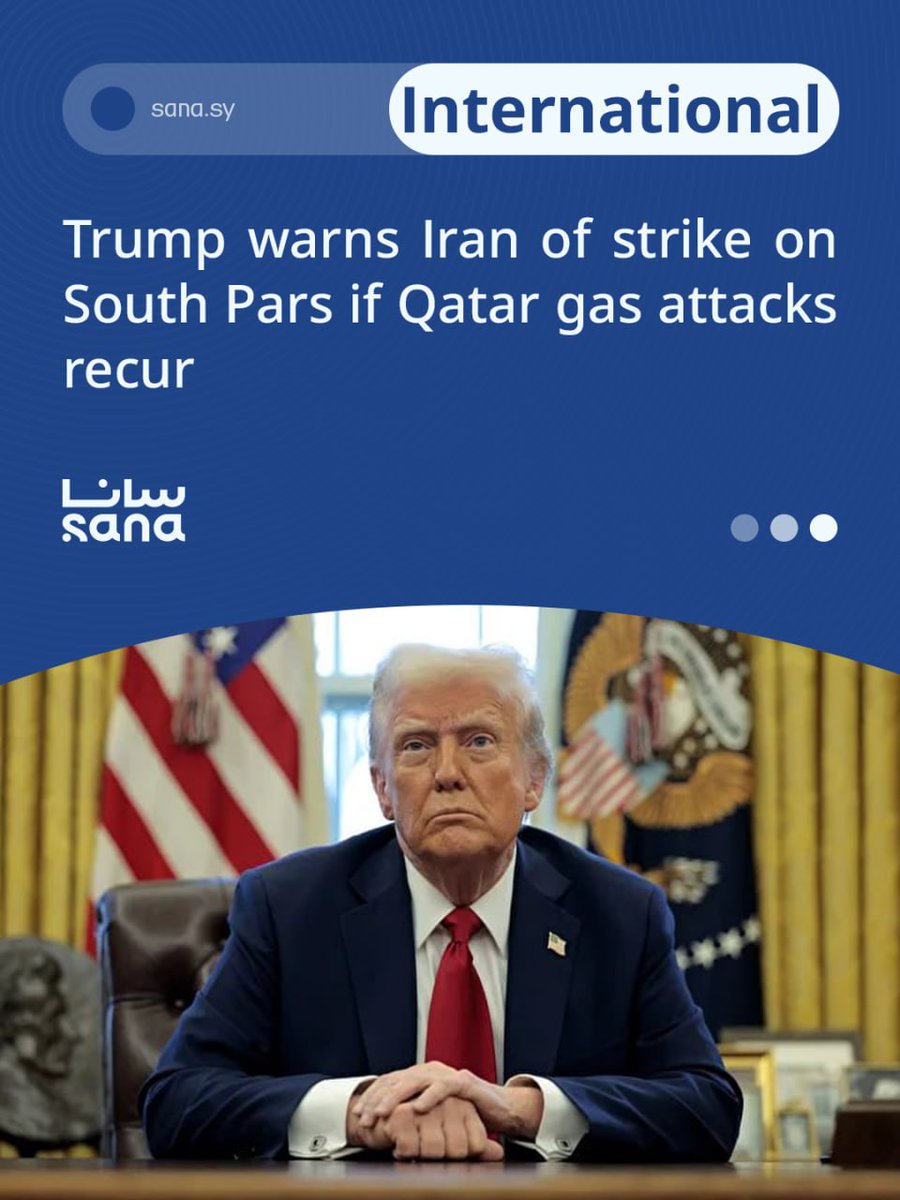
In his public remarks, President Trump issued a stern warning to Tehran, stating that while Israel’s recent actions were a “violent lashing out,” no further attacks on the South Pars field should occur. However, he conditioned his future restraint on Iran’s behavior toward Qatar, threatening that the US would respond with overwhelming force should Iran target Qatari interests.
Global Economic Concerns
The expansion of the conflict into the energy sector has sent shockwaves through global markets. By targeting the economic engines of the region, both Israel and Iran have increased the risk of long-term instability in global energy supply chains. Analysts warn that if the tit-for-tat strikes continue, the global economy could face significant volatility, as the region remains a primary source for the world’s oil and gas needs.
As the situation develops, the international community remains on high alert, watching to see if the current diplomatic posturing will prevent further damage to the Gulf’s critical infrastructure or if the region is sliding into an era of persistent energy warfare.