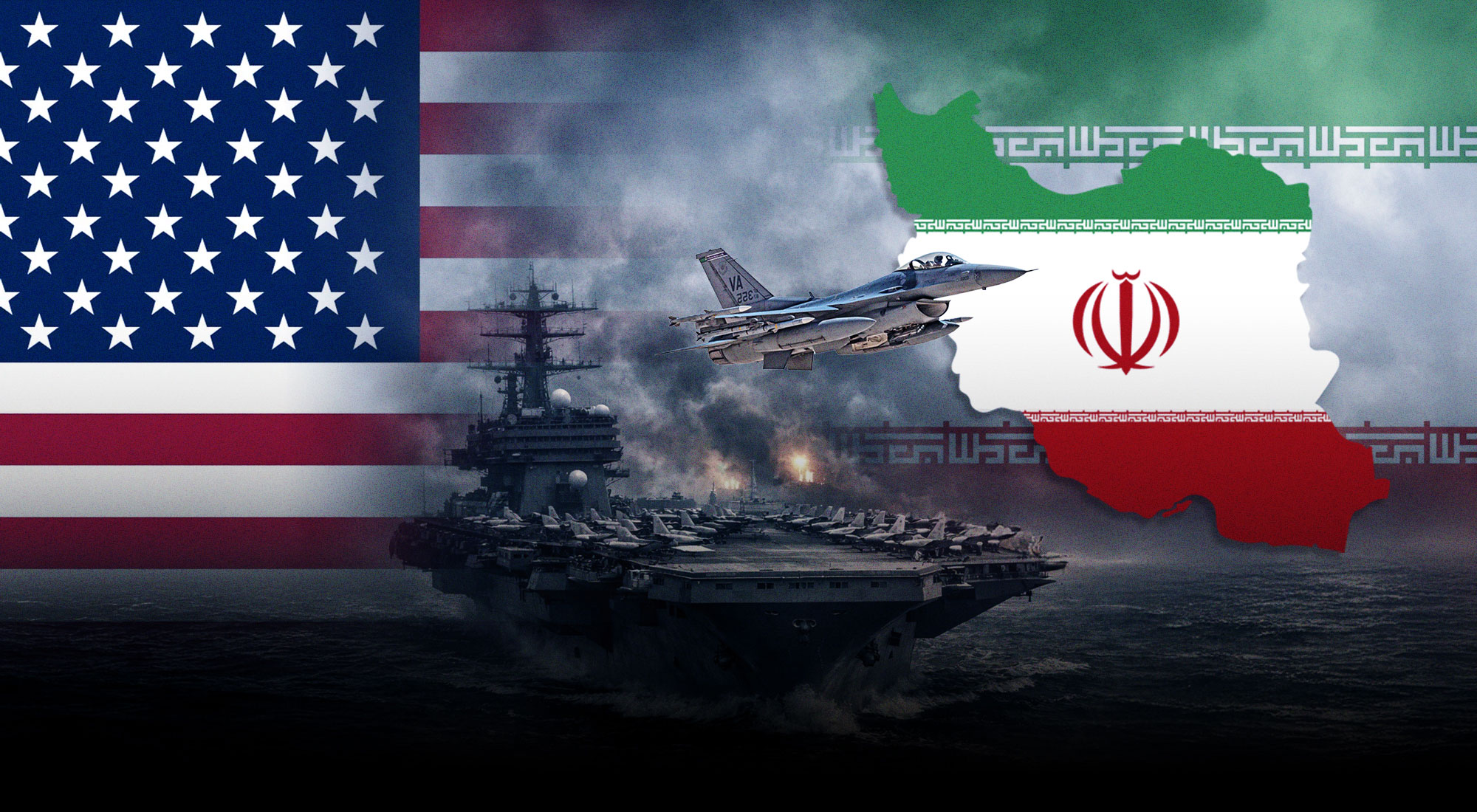
The United States and Iran have agreed to a conditional two-week ceasefire, bringing a temporary halt to hostilities that had threatened to escalate into a wider regional conflict. The agreement, announced early Wednesday, led to immediate celebrations in Baghdad, where local populations have been caught in the crossfire of recent attacks between US forces and pro-Iran armed groups.
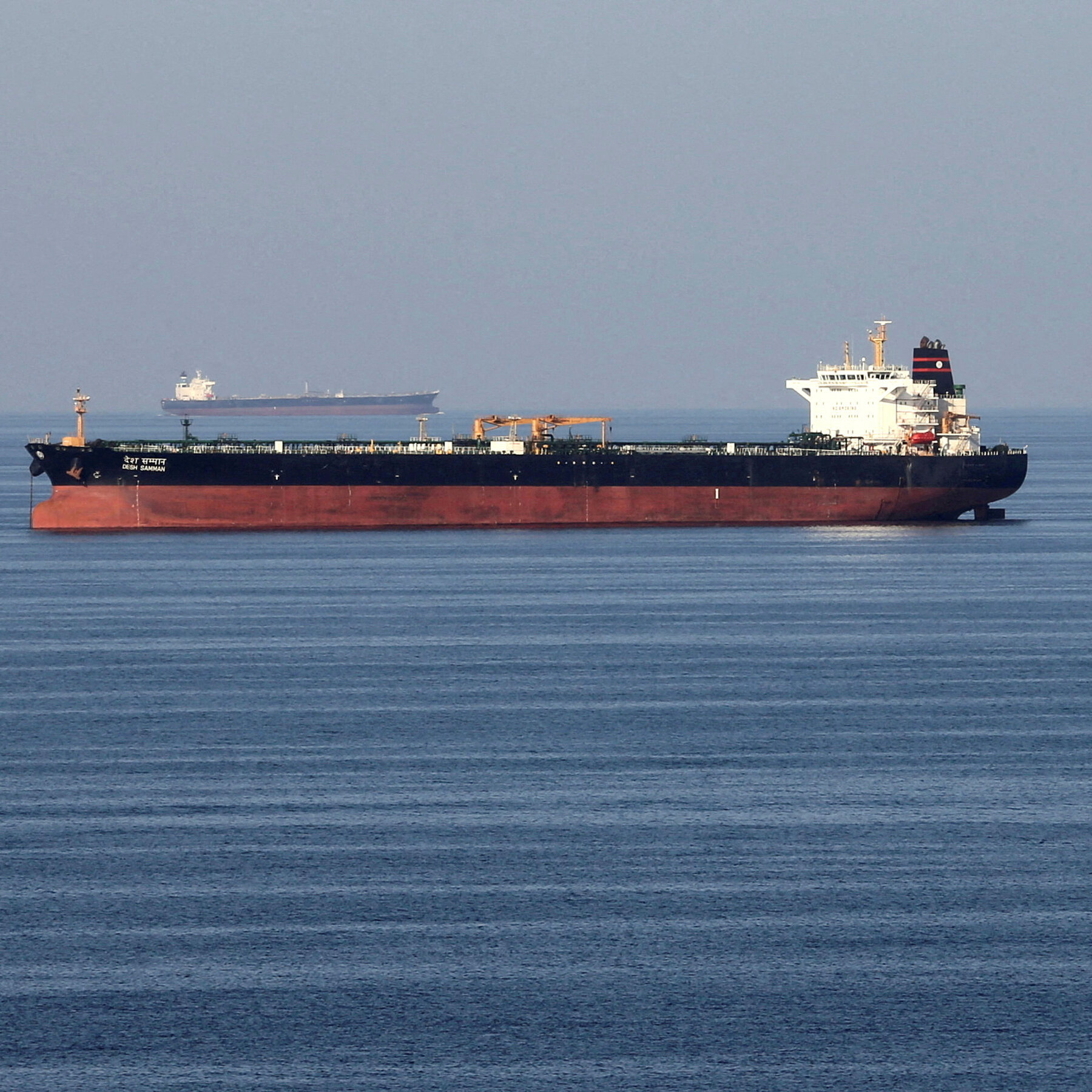
Pakistan Prime Minister Shehbaz Sharif, who brokered the deal, confirmed the ceasefire was effective immediately. The agreement follows a period of extreme tension during which US President Donald Trump threatened that “a whole civilisation will die tonight” if Iran failed to reopen the Strait of Hormuz, a critical maritime chokepoint for global oil exports. The administration of the ceasefire will involve the Iranian military coordinating the passage of vessels through the strait for the next 14 days.
French President Emmanuel Macron welcomed the ceasefire as “very good news,” noting that it appears to be holding, and praised Iran’s readiness to reopen the Strait of Hormuz, according to Al Jazeera. President Trump stated via Truth Social that he agreed to the suspension of military operations because “we have already met and exceeded all military objectives.” He noted that the US will now engage in talks regarding “tariff and sanctions relief.” However, the President also warned that any nation supplying weapons to Iran would face an immediate 50% tariff on all goods sold to the United States.
The Iranian 10-point proposal
While the ceasefire is in effect, Iran has presented a 10-point plan for a long-term peace agreement, which President Trump described as “viable.” The proposal includes the complete cessation of war in Iraq, Lebanon, and Yemen, the lifting of all US sanctions, the release of frozen Iranian assets, and full payment of reconstruction costs. Crucially, the plan states that “Iran fully commits to not seeking possession of any nuclear weapons.”
There is notable disagreement regarding the scope of the ceasefire. While Prime Minister Sharif indicated the agreement would apply to Lebanon, where Israel has been conducting strikes against Hezbollah, the US press secretary Karoline Leavitt and Israeli officials have explicitly stated that Lebanon is excluded from the deal. President Macron has urged for Lebanon’s full inclusion in any regional truce, warning that the situation there remains critical, Al Jazeera reported. Israel continued its military operations in southern Lebanon on Wednesday.
US Defence Secretary Pete Hegseth stated that American troops will “stay put, stay ready, stay vigilant” and remain prepared to resume operations if Tehran violates the terms of the truce. The fragile nature of the agreement was highlighted by an anonymous Pakistani source, who described the atmosphere during negotiations as “sombre and serious.”
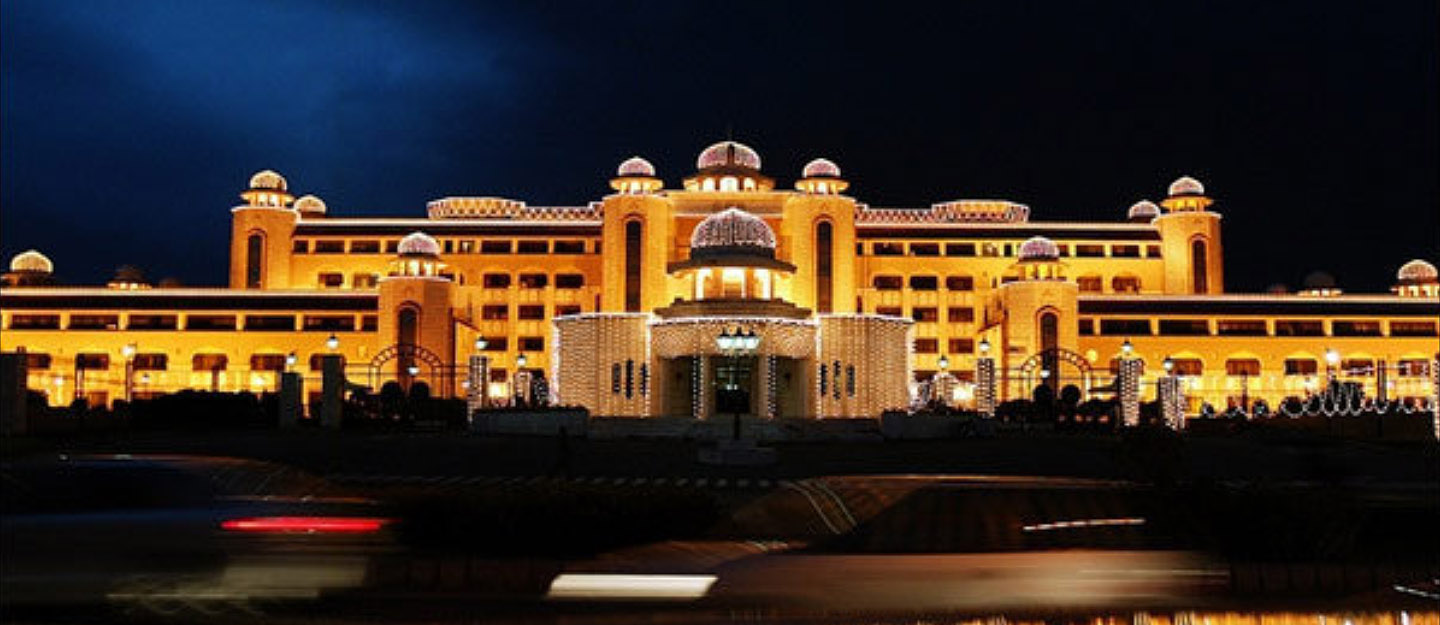
Pakistan’s Field Marshall Asim Munir had previously criticized Iran for attacking Saudi Arabia, calling it an action that “spoils sincere efforts to resolve the conflict through peaceful means.” Despite these tensions, Pakistan has invited both sides to Islamabad on April 10 for further negotiations aimed at a lasting settlement. Iran’s ambassador to Pakistan, Reza Amiri Moghadam, characterized the current progress as “a step forward from critical, sensitive stage.”