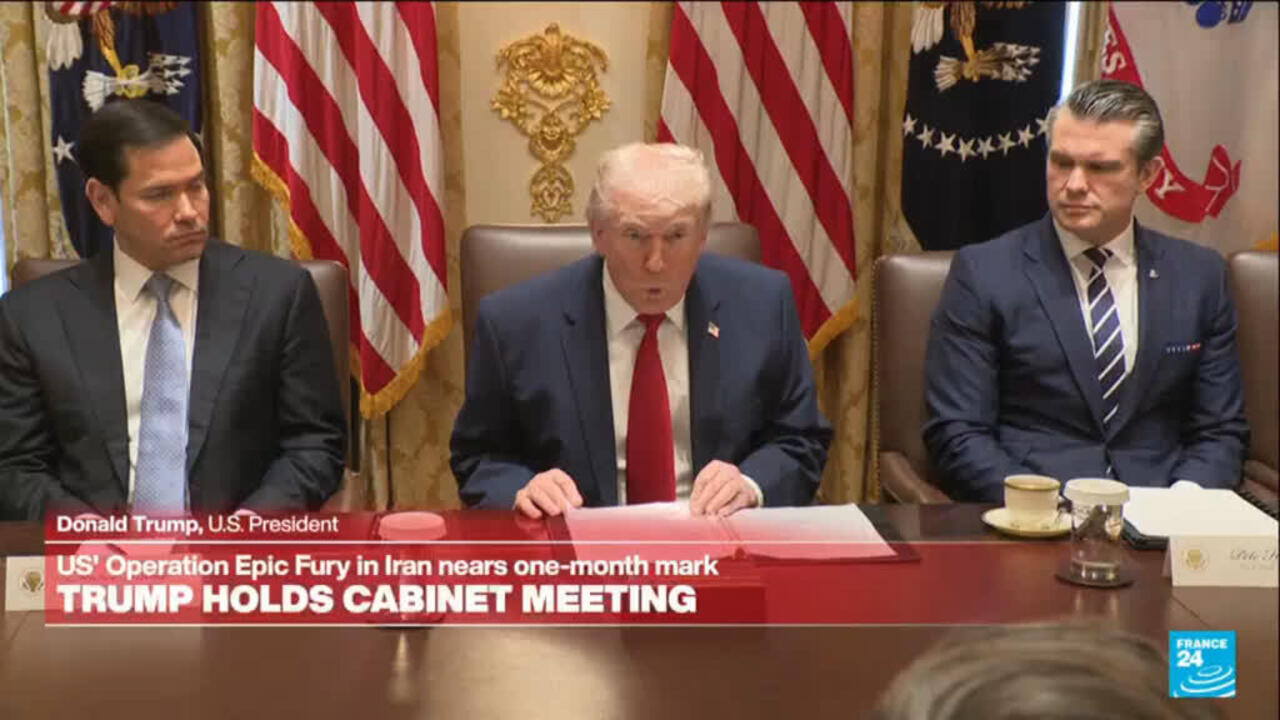
President Donald Trump warned Wednesday that U.S. military forces will remain deployed around Iran until a "real agreement" is fully implemented, threatening a "bigger, and better, and stronger" military response if the current two-week ceasefire fails. Trump’s comments on Truth Social came as he insisted that U.S. troops, ships, and aircraft maintain their positions to ensure the Strait of Hormuz remains open and to prevent Iran from developing nuclear weapons.
White House spokesperson Karoline Leavitt formally characterized the ceasefire as a "victory" for the Trump administration, stating that the agreement was achieved within the President's established timeline. According to La Tercera, Leavitt claimed that the "imminent threat" posed by Iran at the start of the conflict has been "largely destroyed" following the military operation dubbed "Furia Épica," which launched on February 28. Leavitt asserted that the U.S. had met or exceeded its core military objectives in 38 days, dismissing the prospect of accepting Iran's ten-point proposal as "completely absurd."
Trump described the military as "loading up and resting, looking forward, actually, to its next conquest." The President stated there is only one set of terms acceptable to the United States, which officials will negotiate behind closed doors in Islamabad later this week. Conversely, Iran has proposed a ten-point plan that includes the withdrawal of U.S. combat forces, the lifting of all sanctions, and a binding UN Security Council resolution.
NATO tensions and the path to the truce
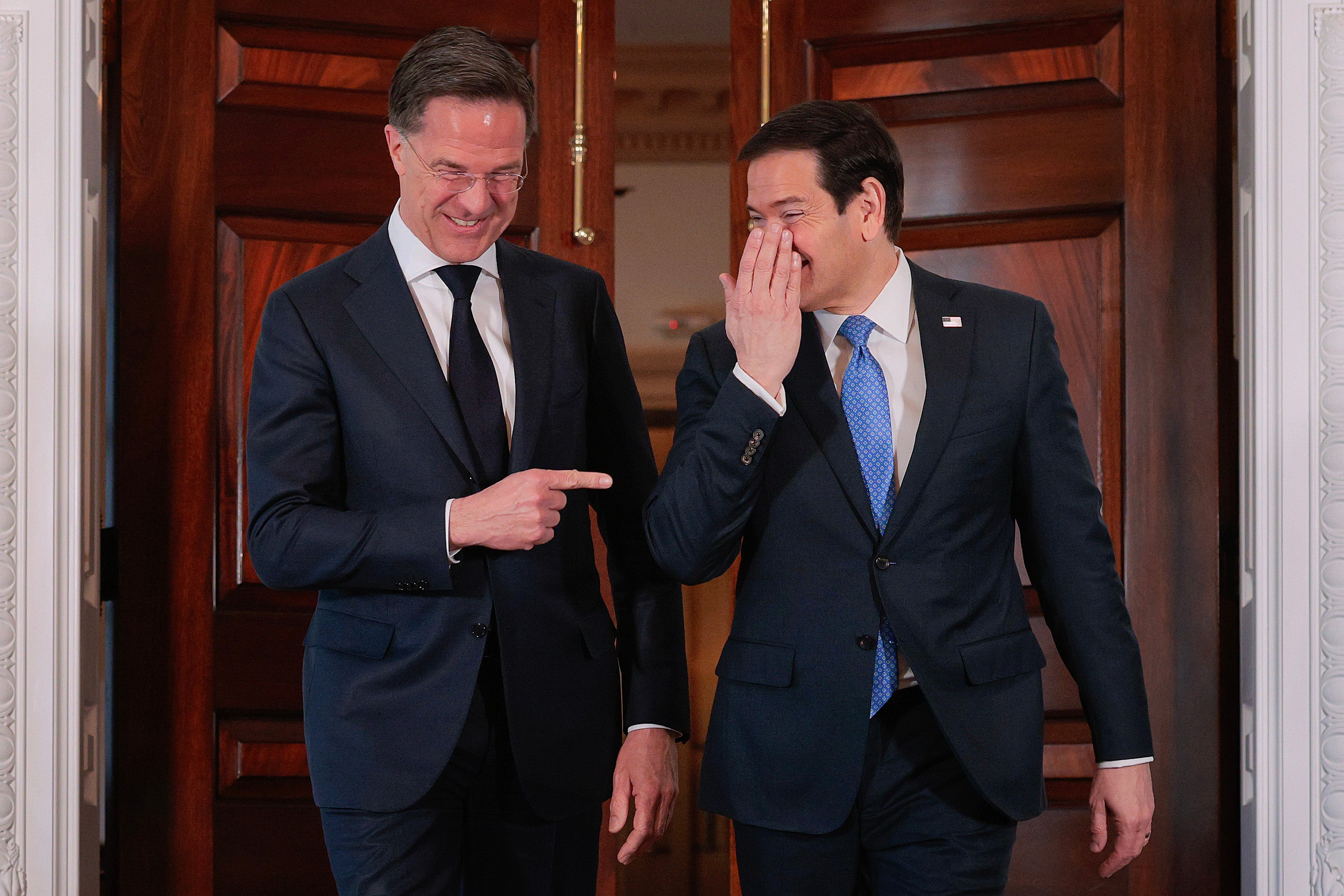
The ceasefire declaration follows a tense meeting between Trump and NATO Secretary General Mark Rutte. According to CNN, Rutte acknowledged that Trump is "clearly disappointed" with NATO allies for failing to provide the level of support he desired for the U.S.-led operations against Iran. Trump previously claimed that allies "were put to the test and failed" when the conflict began.
Rutte defended the European position, noting that many nations provided critical logistics, base access, and support for overflights. Despite the friction, European leaders welcomed the ceasefire, pledging to contribute to the security of navigation in the Strait of Hormuz. Regarding the President's aggressive rhetoric, Leavitt told reporters that Trump's "relentless negotiation style" was the precise factor that forced the current outcome, adding that the world should take his threats to destroy Iranian infrastructure seriously, as it was the Iranians who ultimately "retracted" their position, according to La Tercera.
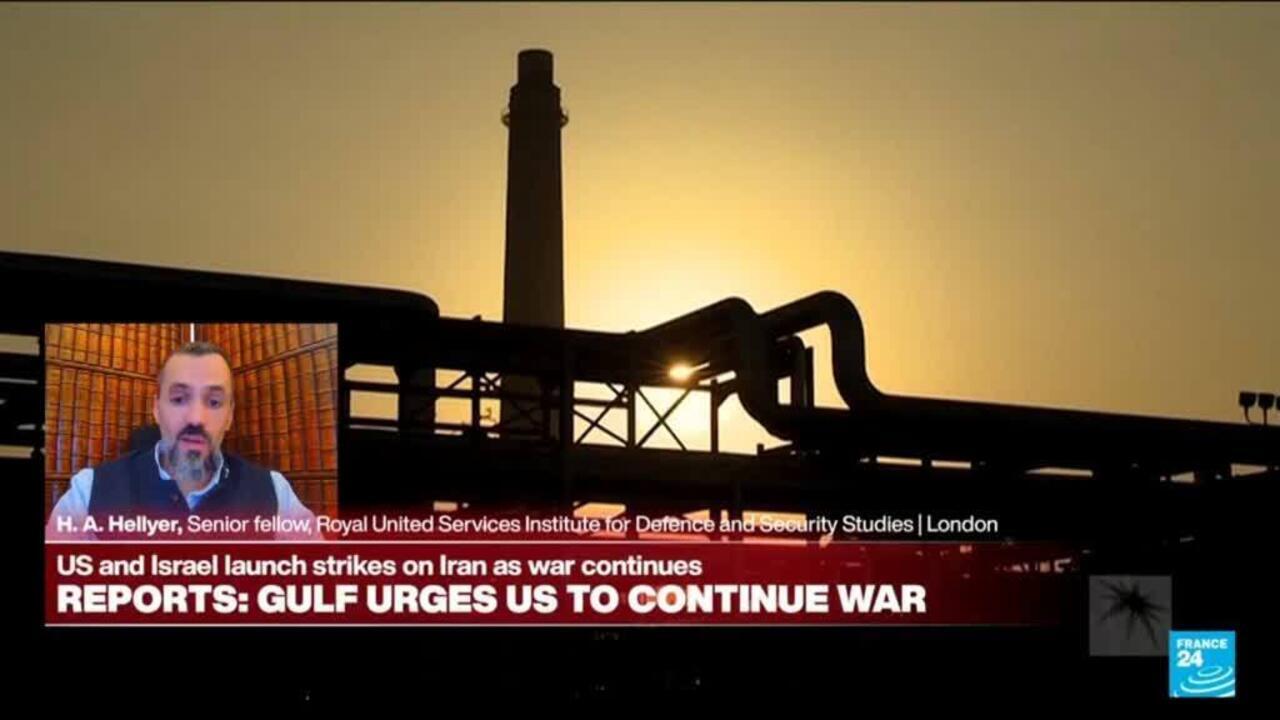
The durability of the truce remains in question as military activity persists. Al Jazeera reported that the Iranian Revolutionary Guard Corps (IRGC) published a chart indicating they had placed sea mines in the Strait of Hormuz earlier in the war. Skepticism regarding the diplomatic effort is widespread on the ground, with many Iranians expressing doubt that the pause in fighting holds any meaning while Israel continues its military campaign in Lebanon.