The United States and Iran have entered into a two-week ceasefire following a period of intense military escalation, according to reports from Al Jazeera and NBC News. The truce, which U.S. President Donald Trump described as a suspension of attacks, is conditioned on the "complete, immediate and safe opening" of the Strait of Hormuz.
President Trump announced the pause after previously threatening that a "whole civilization will die tonight" if a deal remained elusive. The President stated on his Truth Social platform that the U.S. had "met and exceeded" its military objectives and that both nations have reached a "workable basis" for negotiations based on a 10-point proposal submitted by Tehran.
Iranian Foreign Minister Abbas Araghchi confirmed the agreement, stating, "If attacks against Iran are halted, our powerful armed forces will cease their defensive operations." Araghchi noted that safe passage through the vital waterway would be managed in coordination with Iran's Armed Forces. Pakistan’s Prime Minister Shehbaz Sharif confirmed the ceasefire is "EFFECTIVE IMMEDIATELY" and includes combat zones in Lebanon and elsewhere.
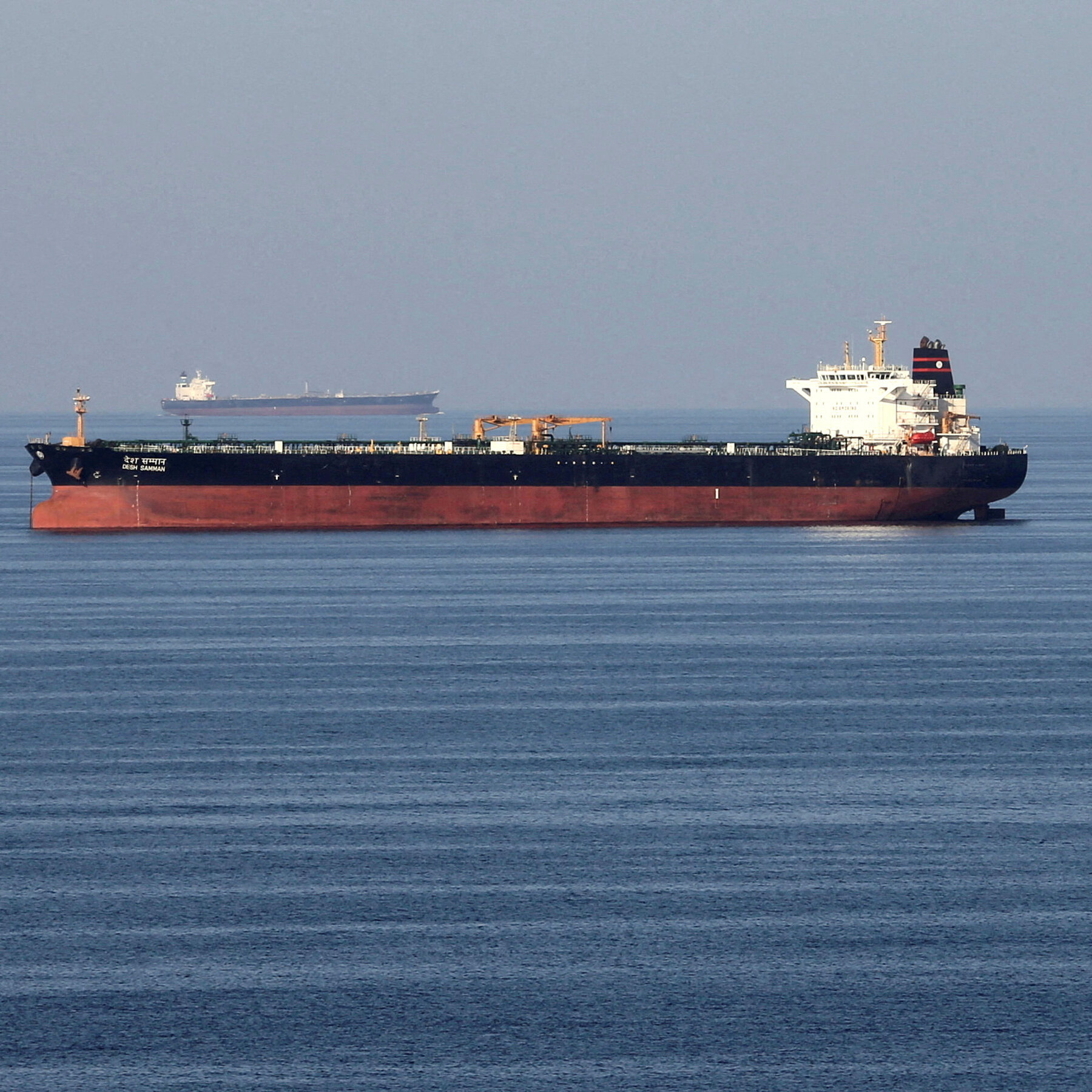
Delegations from both nations are expected to meet in Islamabad on Friday to finalize the terms. The conflict had previously seen Iranian forces impose a partial blockade on the Strait of Hormuz, a move that disrupted global shipping and spiked oil prices, with WTI crude reaching approximately $116 per barrel.
Diplomatic shifts and humanitarian releases
Amid the de-escalation, two French nationals—Cecile Kohler, 41, and Jacques Paris, 72—have departed Iran, according to French President Emmanuel Macron. The pair had spent more than three years in detention on espionage charges and were under house arrest at the French embassy in Tehran since their release in November. Their departure comes after months of uncertainty following the initiation of U.S.-Israeli strikes on February 28.
Prior to the ceasefire, the atmosphere in Tehran was described by France24 reporter Reza Sayah as an "eerie still," with residents on edge following the President’s ultimatum. Reports indicated that the Iranian government had instructed young people to form human chains around key infrastructure, including power plants, to deter further strikes.
Financial markets reacted to the volatility with caution. While the S&P/BMV IPC index in Mexico saw a marginal gain of 0.26%, global assets remained pressured by the geopolitical risk, with the U.S. Treasury 10-year yield climbing to 4.34%. Analysts at Monex highlighted that the session was defined by high volatility and concerns over energy supply disruptions. While the ceasefire has provided a temporary respite, global economic data remains mixed, with U.S. durable goods orders falling 1.4% in February.