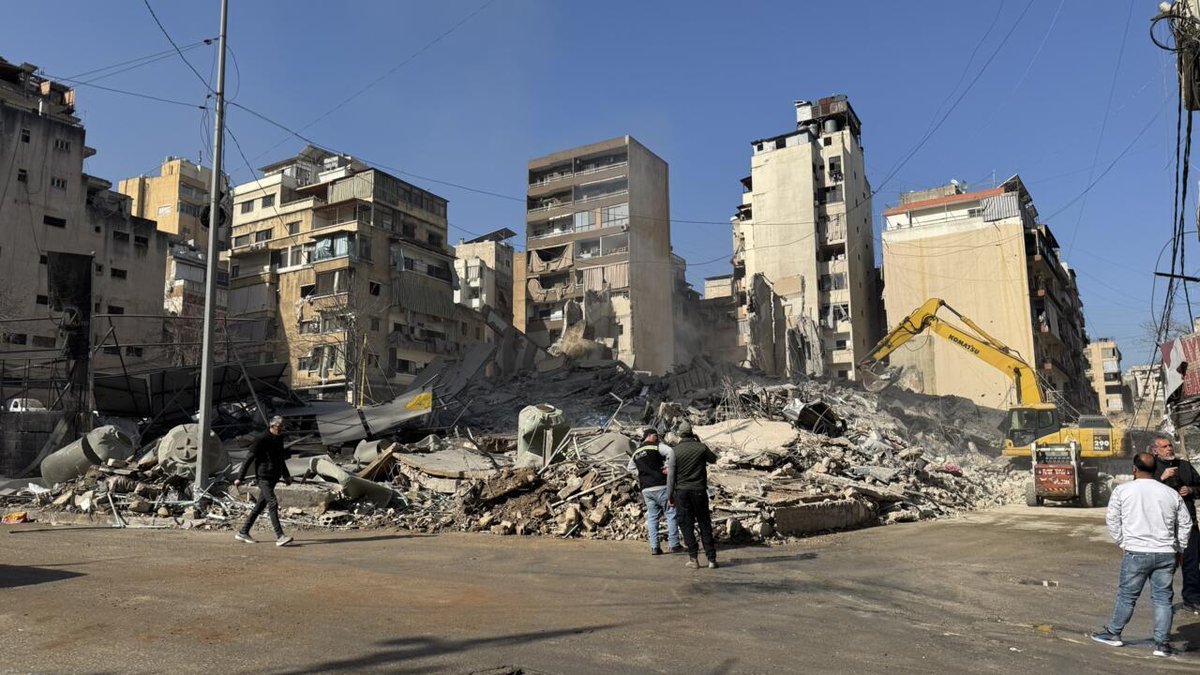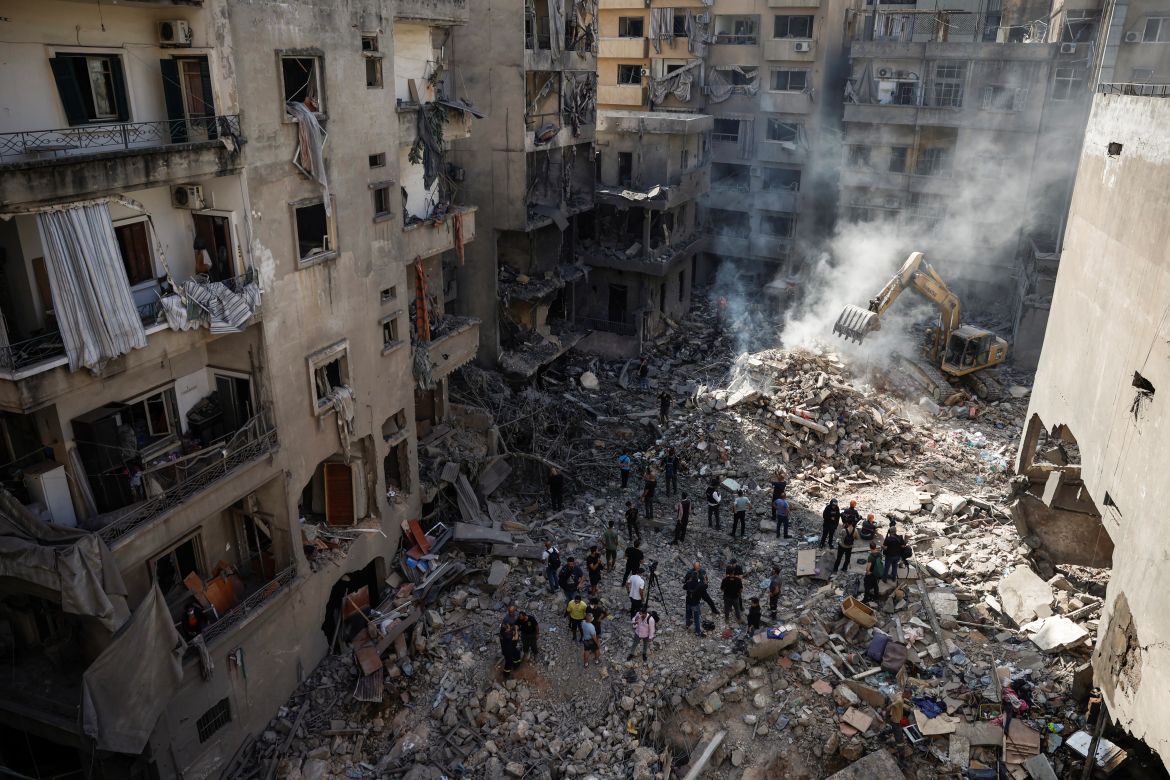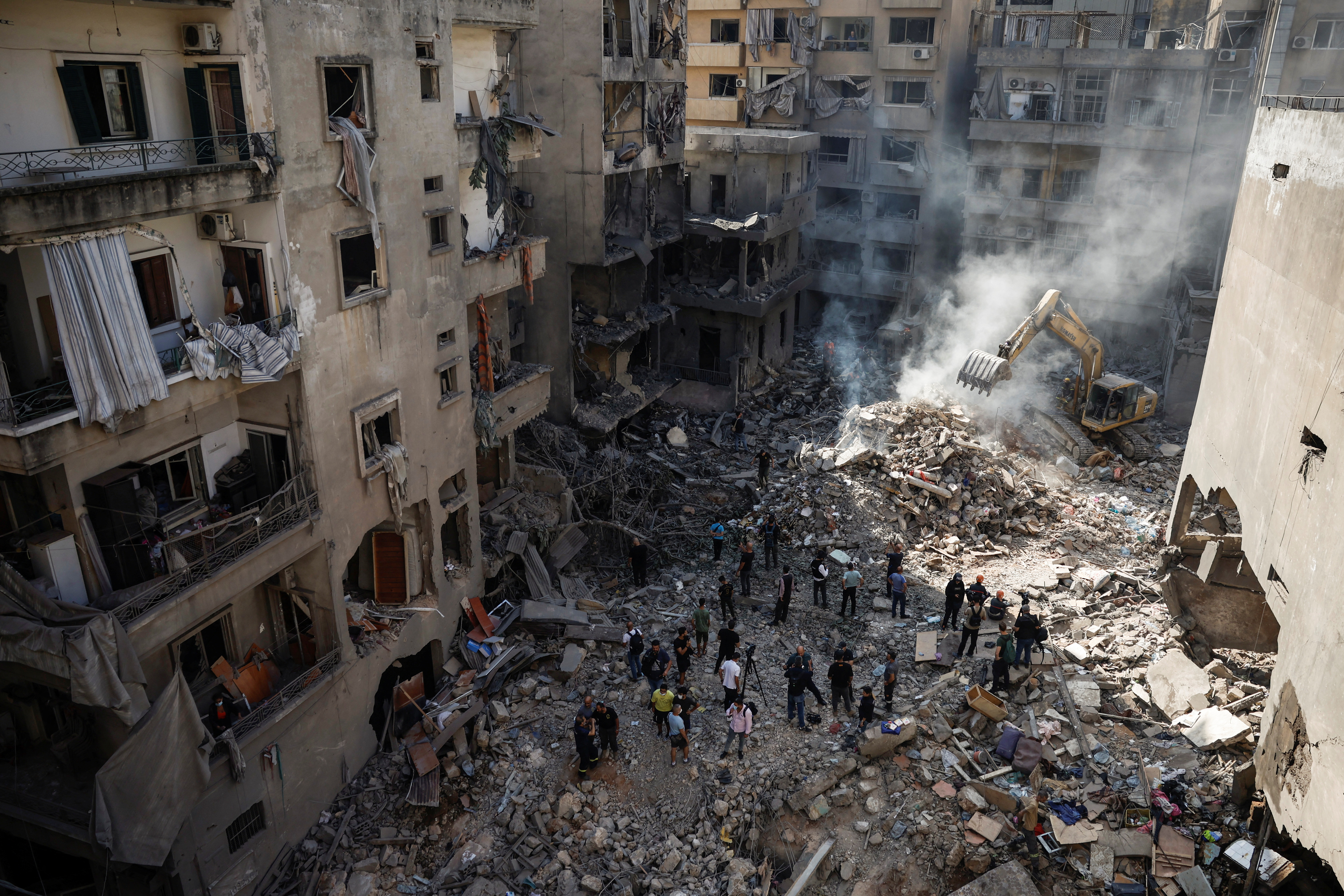
Lebanon declared a national day of mourning Wednesday following a surge of Israeli airstrikes that killed at least 254 people and left 1,165 injured. The strikes hit densely populated neighborhoods in Beirut, prompting Prime Minister Nawaf Salam to mobilize all available political and diplomatic resources to halt the military campaign.
The violence follows an 11th-hour agreement reached Tuesday establishing a two-week ceasefire between the United States and Iran. While Pakistan—which helped mediate the deal—insisted the truce covered Lebanon, Israeli Prime Minister Benjamin Netanyahu and U.S. officials maintain the agreement does not apply to the Lebanese front.
"We never made that promise," U.S. Vice President JD Vance stated regarding the inclusion of Lebanon in the ceasefire terms. Conversely, Iranian Foreign Minister Abbas Araghchi cited Pakistani Prime Minister Shehbash Sharif, asserting the terms are explicit. "The U.S. must choose -- ceasefire or continued war via Israel. It cannot have both," Araghchi wrote on X.
Diplomatic fallout intensified Wednesday as France and Italy condemned the strikes. French President Emmanuel Macron stated that the attacks "pose a direct threat to the sustainability of the ceasefire," while Italy summoned the Israeli ambassador after warning shots damaged an Italian UNIFIL vehicle in southern Lebanon. "Endangering convoys clearly identified with the UN flag cannot be tolerated," Italian Defence Minister Guido Crosetto said.
NATO tensions and the battle over the '10-point plan'
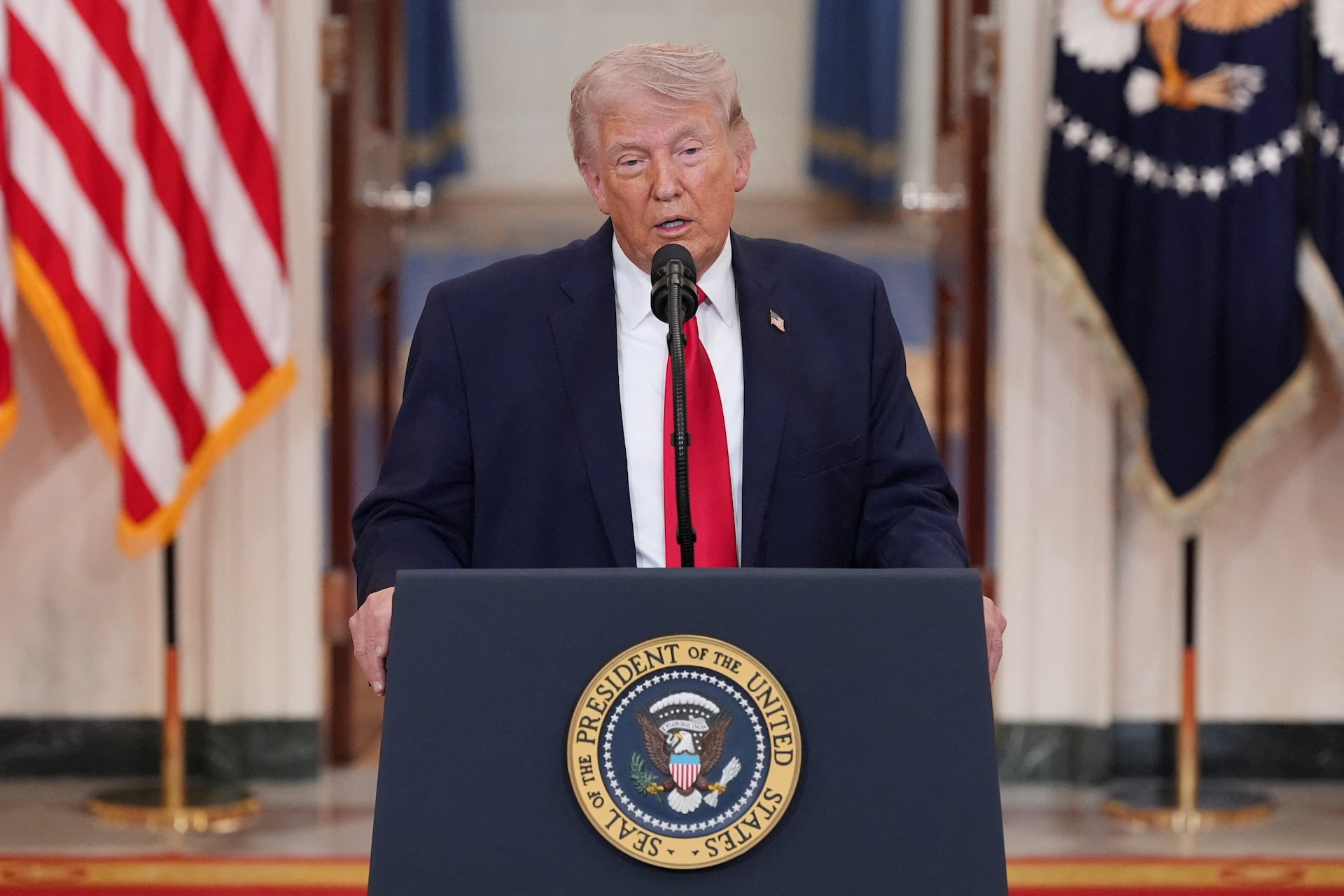
Beyond the immediate conflict, the war has strained the U.S.-NATO relationship. President Donald Trump, addressing reporters at the White House, signaled frustration that European allies did not contribute military forces to the conflict. On Truth Social, Trump declared, "The NATO alliance was not there when we needed it, and it will not be there if we need it again," according to La Tercera. While NATO Secretary-General Mark Rutte met with Trump on Wednesday and noted the President's disappointment, he emphasized that European allies provided critical logistical support, base access, and overflight rights.
Disagreements persist regarding the ceasefire framework. President Trump explicitly labeled the 10-point proposal circulated by Iran as a "hoax" and an "ENGANO" (deception), stating on Truth Social that its true objective was to "discredit the people involved in the peace process," La Tercera reported. Trump further attacked The New York Times and CNN for reporting on the document, which he claimed was designed to undermine negotiations. Vice President JD Vance added that the first proposal received by Washington "was likely written by ChatGPT" and rejected, followed by a second "more reasonable" version that Trump had initially signaled as a viable base for talks, before a third, more radical version appeared, according to La Tercera.
As the situation develops, Vice President Vance is set to lead a U.S. delegation to Islamabad this Saturday to continue talks. Meanwhile, the White House continues to demand the immediate reopening of the Strait of Hormuz, with Press Secretary Karoline Leavitt labeling reports of its closure as "false."