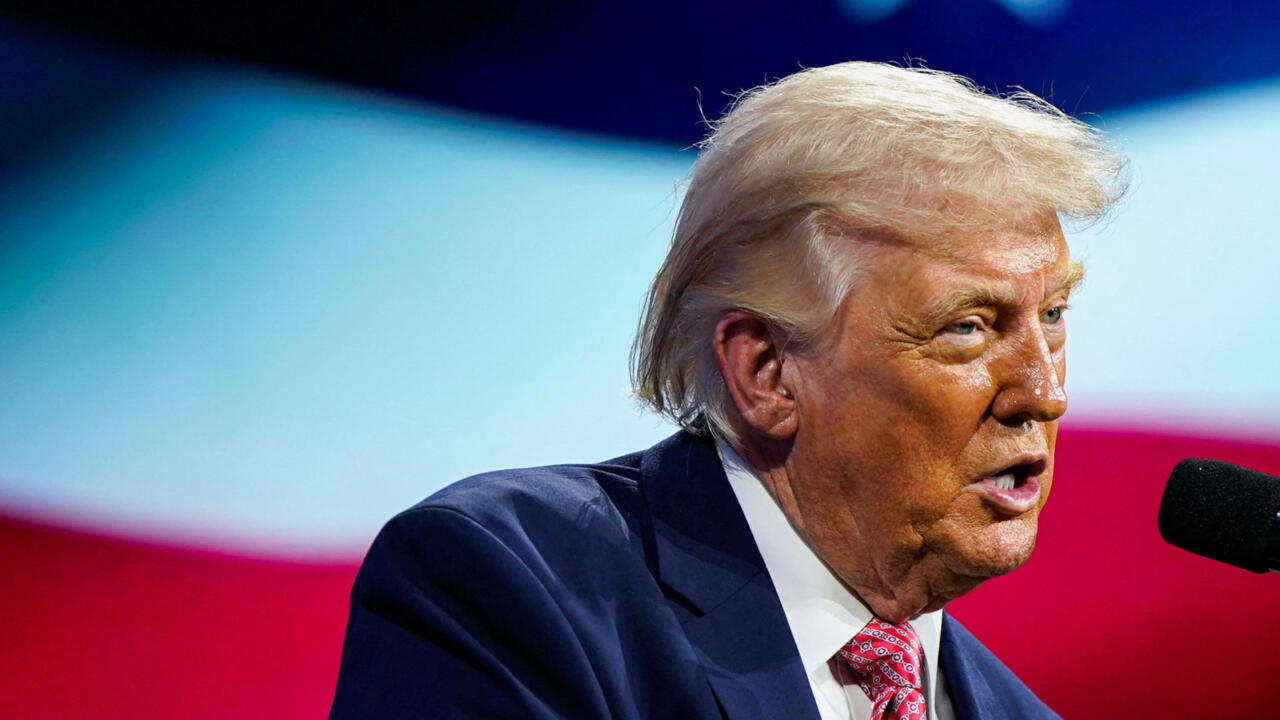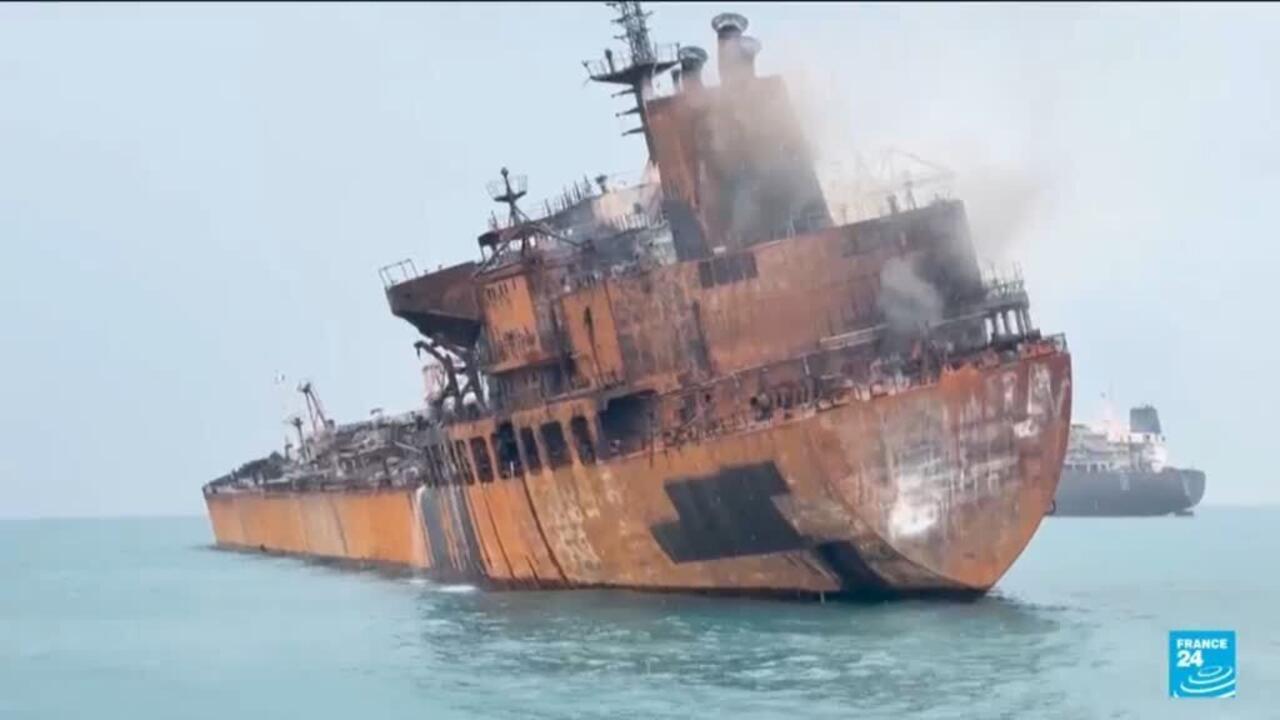
President Donald Trump threatened to attack vital Iranian infrastructure, including power plants and bridges, if the Strait of Hormuz is not reopened by a Monday deadline. The president issued the warning in an expletive-laden post on Truth Social on Sunday.
“Tuesday will be Power Plant Day, and Bridge Day, all wrapped up in one, in Iran. There will be nothing like it!!! Open the FStrait, you crazy b***, or you’ll be living in Hell – JUST WATCH! Praise be to Allah,” Trump wrote. The administration set the 10-day deadline on March 26 following months of stalled shipping traffic in the region.
Iran’s mission to the United Nations condemned the rhetoric as a threat to destroy essential civilian infrastructure. “The international community and all states have legal obligations to prevent such atrocious acts of war crimes. They must act now. Tomorrow is too late,” the mission stated. Seyyed Mehdi Tabatabaei, an official in the Iranian president’s office, dismissed the threats as "nonsense out of sheer desperation" and maintained that the strait would only reopen once reparations are paid for war damages.
Wider regional escalation
Violence continued across the Middle East on Sunday as Israel maintained strikes in Gaza and Lebanon. At least four Palestinians were killed in Gaza, while an Israeli strike on South Beirut resulted in four additional deaths. In Lebanon, the city of Tyre became a ghost town as residents marked Easter under evacuation orders following nearby strikes that damaged a local hospital. France24 reported that an Israeli strike in southern Lebanon also killed a Lebanese Army soldier.
Conflict also reached deeper into Israeli territory, with video confirming an Iranian missile strike on the Ramat Hovav industrial area in southern Israel. Meanwhile, the U.S. military successfully rescued an aviator who had been missing since Iran shot down a fighter jet earlier in the conflict. Iran also claimed to have downed additional U.S. planes and helicopters on Sunday.
Political scientist John Mearsheimer criticized the current U.S. approach to the conflict, arguing that the notion of Iran as the primary regional destabilizer is a myth. “The greatest threat to stability in the Middle East is not Iran, but the US working closely together with Israel,” Mearsheimer told host Steve Clemons. He added that the administration's belief that it holds all the leverage is “ludicrous.”
In an unrelated development, the Democratic Republic of the Congo confirmed it will begin accepting "third-country" deportees from the United States this month. The Congolese Ministry of Communications described the arrangement as a temporary, U.S.-funded deal. Legal experts and rights groups have criticized the practice, which has seen the U.S. spend at least $40 million to deport approximately 300 migrants to countries other than their own since February 2025. The Uganda Law Society has taken legal action to challenge similar deportation agreements in their country, calling the practice part of an "ill wind of transnational repression."