A Sudden Surge in Energy Prices
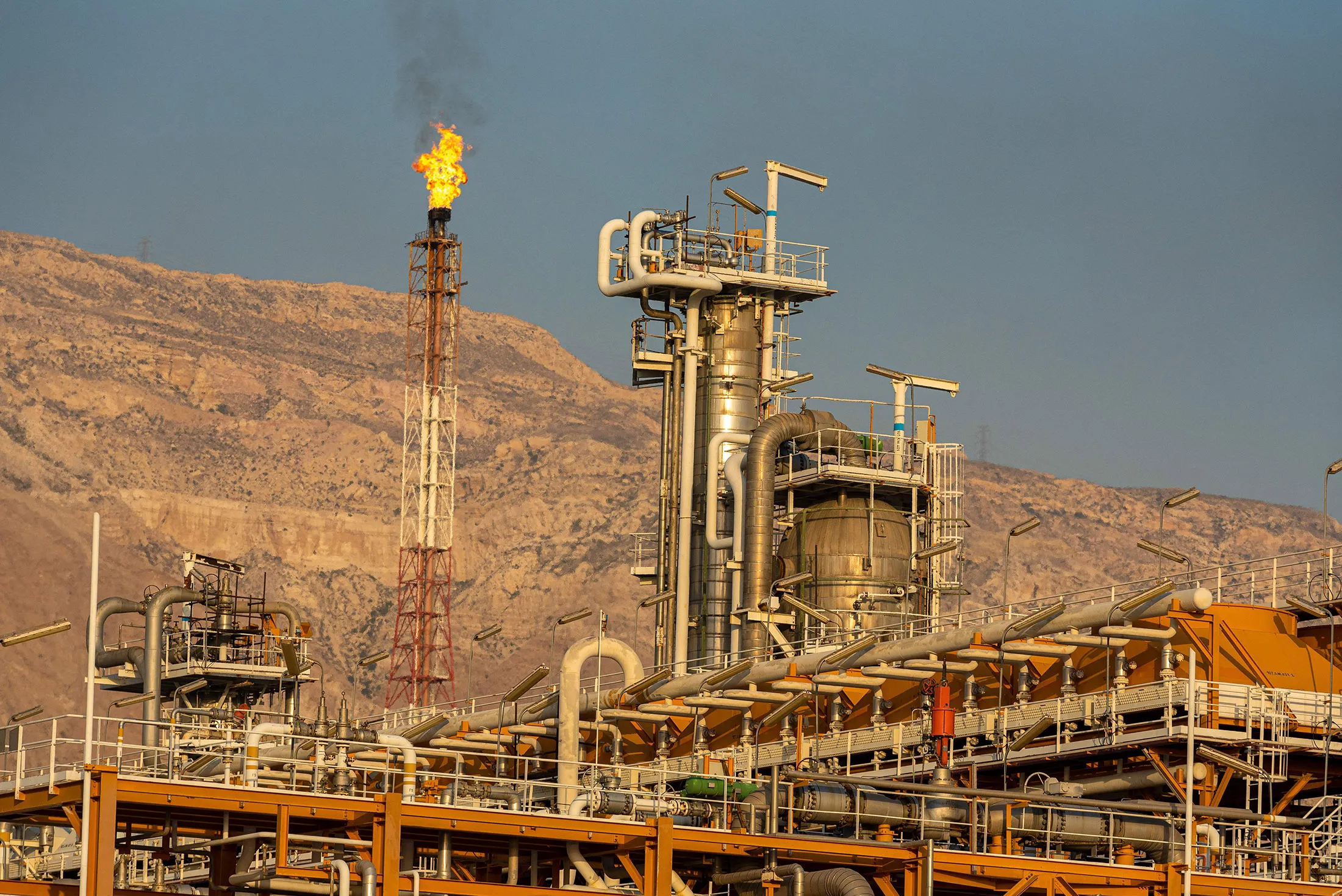
Global energy markets were sent into a tailspin on Wednesday after an Israeli airstrike targeted the South Pars gas field—the largest of its kind in the world. The strike, which hit facilities jointly operated by Iran and Qatar, triggered an immediate and sharp increase in Brent crude oil futures, which climbed from an opening price of $101 to nearly $111 per barrel by the end of the day. The volatility underscores growing investor fears regarding the security of the Middle East’s critical energy infrastructure.
The Strike and Its Aftermath
According to reports from the Fars News Agency, the attack caused significant damage to the Asaluyeh refinery, resulting in a total production halt at two of the field's refineries. These facilities typically contribute approximately 100 million cubic meters of gas to the daily global supply. The impact was not confined to Iranian territory; the strike also caused collateral damage to Qatar’s North Field complex, which shares the massive reservoir.
Majed Al Ansari, a spokesman for the Qatari Foreign Ministry, condemned the action, describing it as a "dangerous and irresponsible step" that threatens both regional stability and global energy security. He warned that the continued targeting of such critical infrastructure could have catastrophic consequences for the global economy.
Retaliatory Strikes Across the Gulf
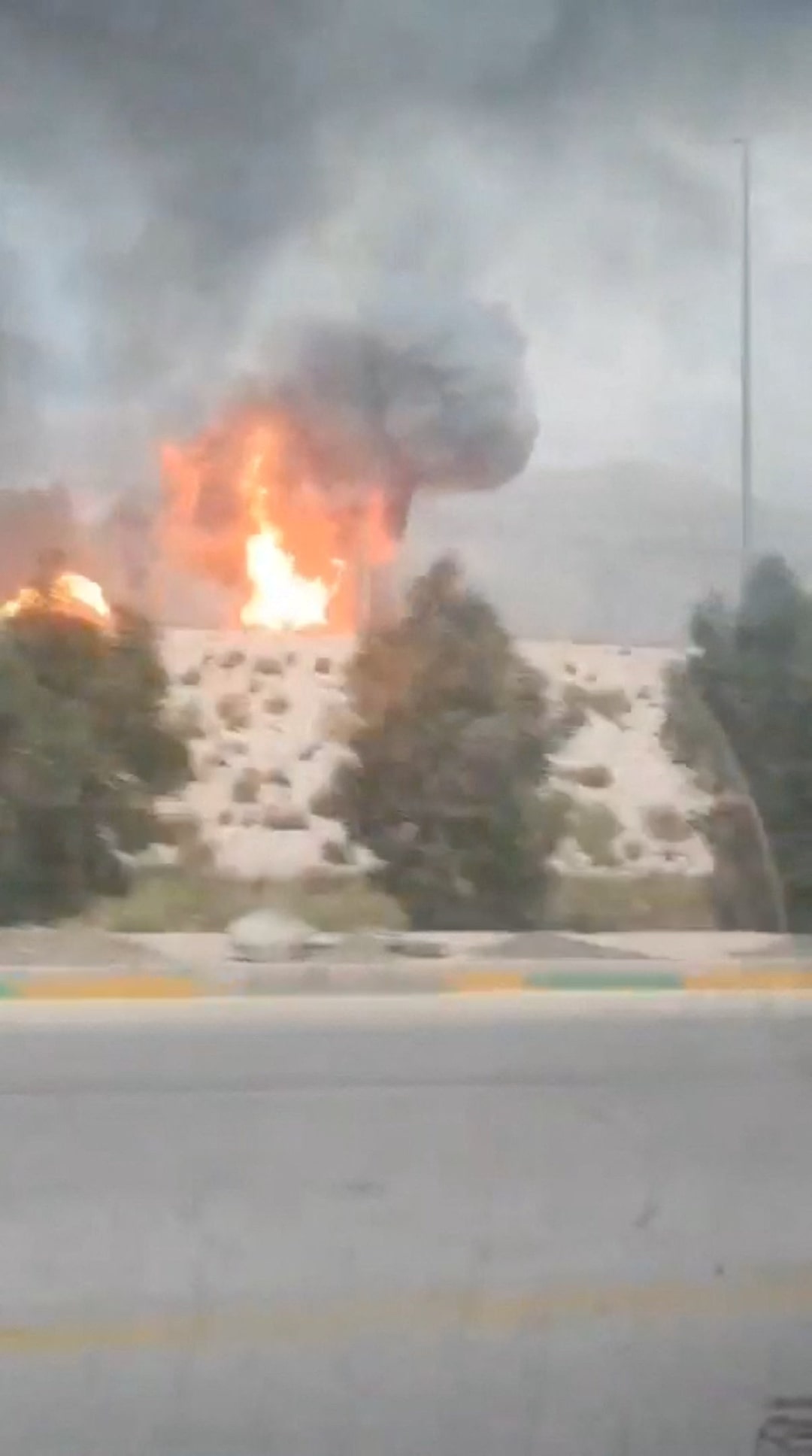
In a swift and aggressive response, Tehran’s central military command issued a direct warning to neighboring Gulf nations, advising civilians to evacuate energy facilities in Saudi Arabia, the United Arab Emirates, and Qatar. By late Wednesday, the threat materialized into a series of coordinated attacks.
QatarEnergy, the world’s second-largest exporter of liquefied natural gas, confirmed that its Ras Laffan Industrial City suffered "extensive damage" following Iranian missile strikes. Simultaneously, the United Arab Emirates was forced to suspend operations at its vital Habshan gas facilities and the Bab field. As emergency teams scramble to contain fires and assess the damage, the full extent of the operational disruption remains unclear, though no fatalities have been reported at this time.
Geopolitical Tensions and Strategic Coordination
While the situation remains fluid, questions regarding international involvement have begun to surface. Although the Trump administration has historically expressed opposition to striking Iranian oil facilities, sources speaking to Axios indicated that the operation against South Pars was coordinated with the United States. To date, neither Israeli nor American officials have issued an official public statement regarding the strike.
As the region stands on the precipice of a broader energy crisis, the international community is closely monitoring the situation. With production already hampered by previous drone strikes in Qatar, the cumulative effect of these attacks on global supply chains remains a primary concern for market analysts and world leaders alike.