Escalation Across Energy Fronts
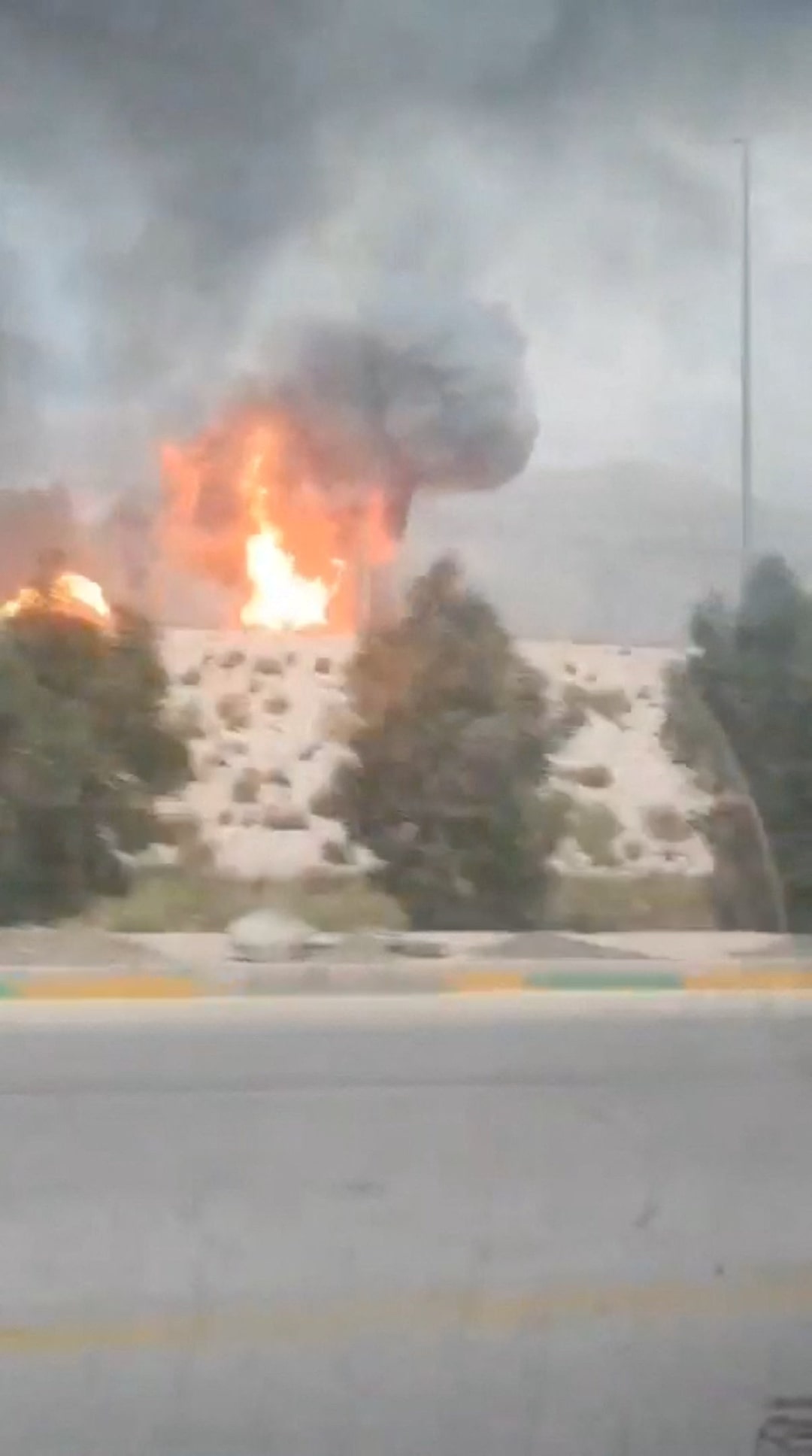
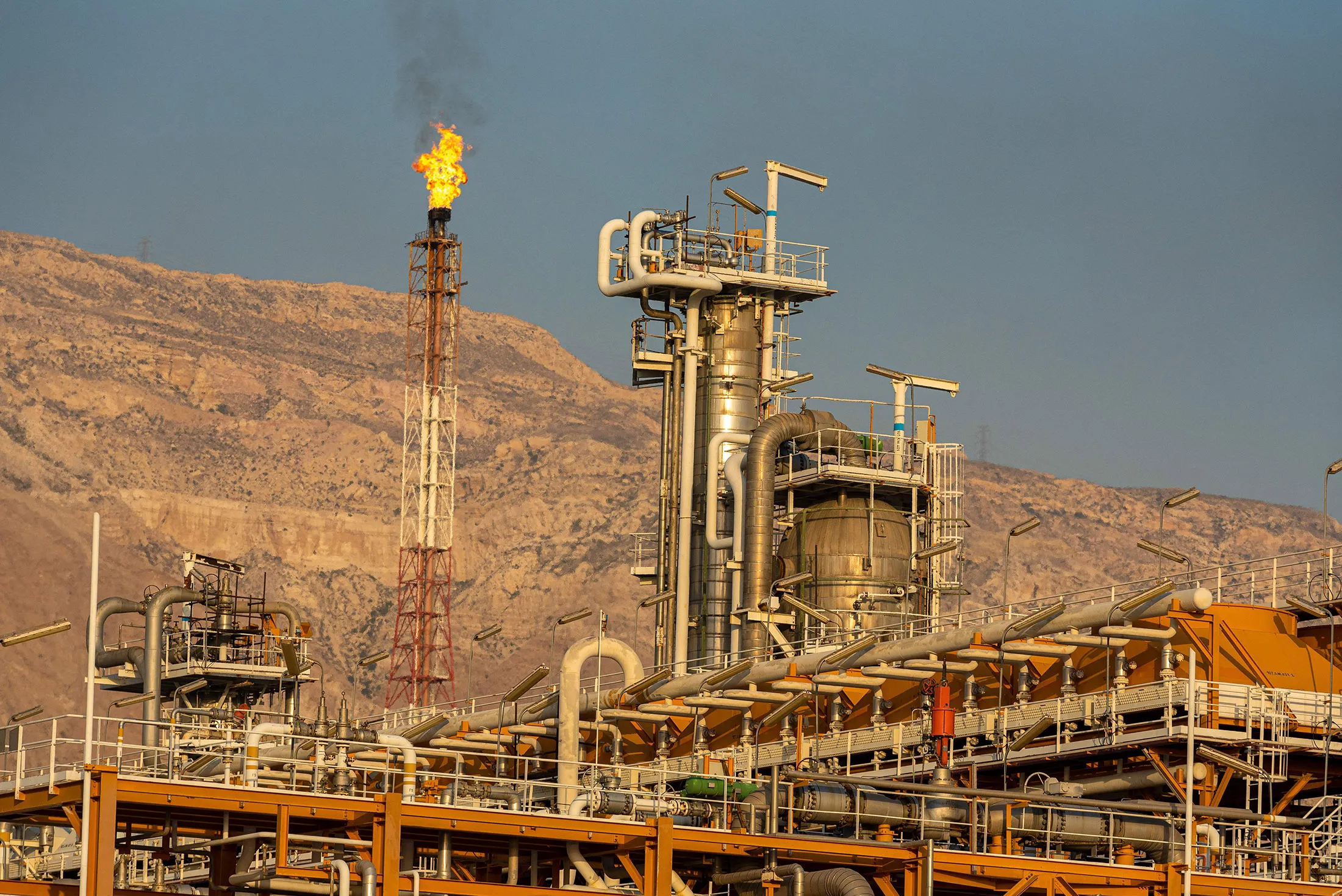
The conflict between Israel and Iran has entered a volatile 20th day, marked by a dangerous shift toward the targeting of critical energy infrastructure. In a significant escalation, Israeli forces struck the South Pars gas field—the largest of its kind in the world—prompting immediate and far-reaching retaliation from Tehran. Hours after the strike, Iranian missiles targeted major oil and gas facilities across the Gulf, including a direct hit on Qatar’s Ras Laffan Industrial City, which resulted in significant fires and raised concerns regarding global energy supply stability.
Regional Fallout and Diplomatic Tensions
The retaliatory strikes have severely strained Tehran’s relations with its neighbors. Qatar has responded by declaring Iranian security and military attaches persona non grata, ordering their immediate expulsion. Meanwhile, Saudi Arabia’s Foreign Minister, Prince Faisal bin Farhan Al Saud, issued a stern warning, noting that the "little trust" remaining in Iran has been dismantled. He cautioned that Riyadh is prepared to utilize "nonpolitical" options if the aggression persists, emphasizing that the patience of Gulf nations is not infinite.
In Kuwait, security forces reported the successful neutralization of a terror cell allegedly linked to Hezbollah, which was reportedly planning attacks on the nation’s critical infrastructure. Simultaneously, Bahrain announced that its defensive systems have intercepted over 130 missiles and 200 drones since the hostilities commenced on February 28.
Washington’s Diplomatic and Domestic Challenges
In the United States, President Donald Trump has sought to distance his administration from the initial Israeli strike on South Pars, issuing a stern ultimatum to Tehran that any further attacks on Qatari energy facilities would result in a massive US response against the gas field. Amidst the regional chaos, the White House is grappling with a domestic intelligence controversy. Director of National Intelligence Tulsi Gabbard is facing scrutiny over allegations that she omitted key intelligence in her Senate testimony—specifically findings that Iran had not moved to rebuild uranium enrichment capabilities—which contradicts the administration’s narrative regarding the imminence of a nuclear threat.
Furthermore, to mitigate the economic impact of the conflict, President Trump has enacted a 60-day waiver of the Jones Act, a century-old shipping law, to facilitate the transport of energy resources between US ports. The administration also announced a $16 billion arms package for the UAE and Kuwait to bolster their defensive capabilities.
The Path Forward
Inside Iran, the leadership remains defiant following the assassination of three high-ranking security officials, including Intelligence Minister Esmail Khatib. Supreme Leader Mojtaba Khamenei has vowed that Israel will pay a heavy price for these losses. Conversely, Israeli Prime Minister Benjamin Netanyahu has maintained a confident stance, telling reporters that he expects the war to conclude "a lot faster than people think," despite reports of Iranian missiles striking an oil refinery in the northern city of Haifa.
As the conflict continues to broaden, the international community remains on high alert, fearing that the targeting of global energy hubs could lead to sustained market volatility and an unpredictable expansion of the frontlines.