A Fragile Return to Tradition
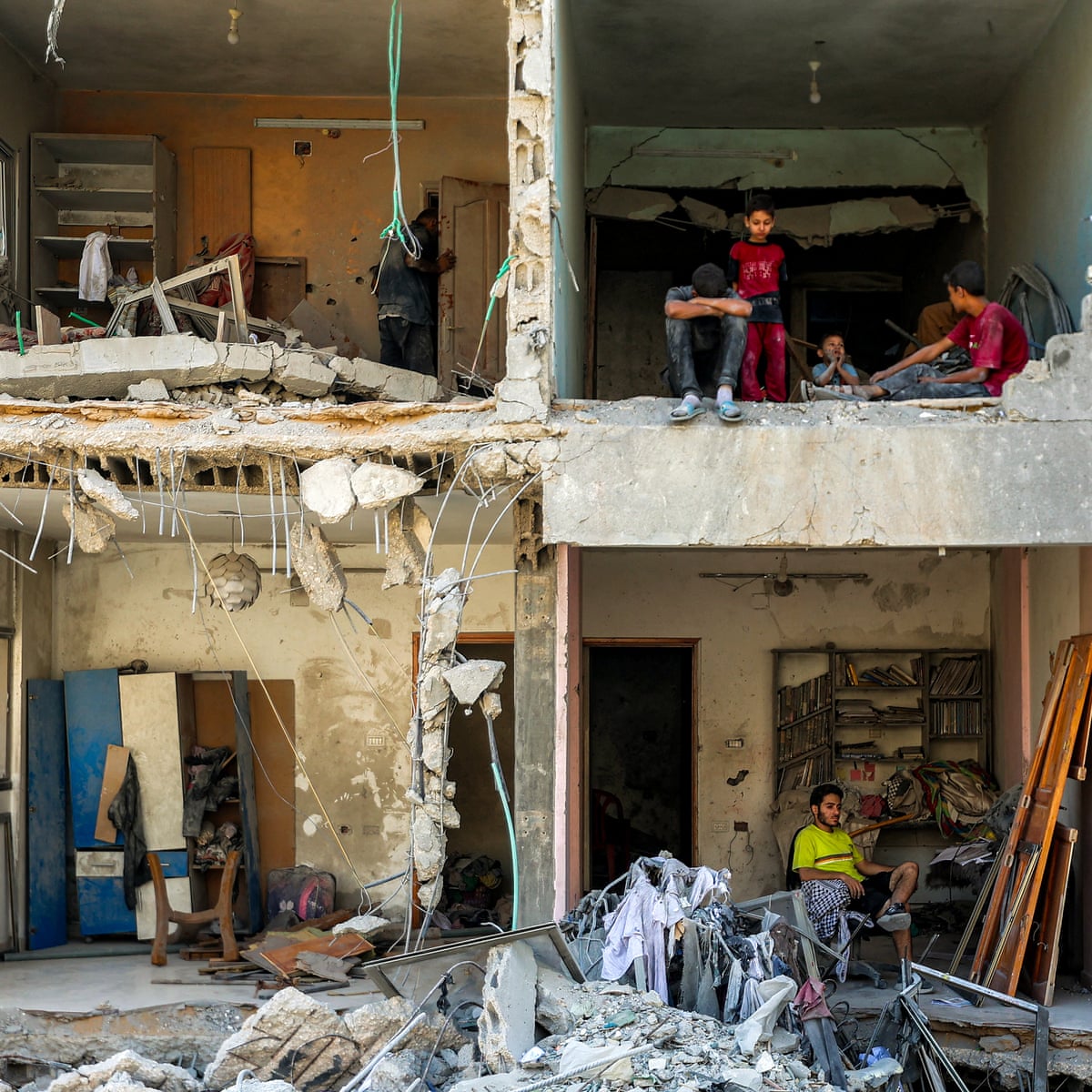
In a partially damaged home in northern Gaza, the air is thick with the scent of baking dough—a familiar, comforting aroma that stands in stark contrast to the surrounding landscape of debris. For 60-year-old Samira Touman, a mother of seven, the final days of Ramadan are not marked by the ease of a modern kitchen, but by the strenuous, manual labor required to preparekaakandmaamoulcookies. As the Gaza Strip observes its first Eid al-Fitr following the October ceasefire, families like Samira’s are fighting to keep age-old traditions alive, even as the infrastructure of their lives remains in tatters.
The Cost of Resilience
The preparation process has become a feat of endurance. With cooking gas virtually non-existent, Samira and her daughters spend hours hunched over a wood-fired oven. The fuel for this fire is salvaged from the remnants of homes destroyed during the Israeli military campaign. “We have forgotten what it means to work in the kitchen with order, dignity, and clean work,” Samira noted. “Now cooking and working have become associated with soot and fire.”
Beyond the physical labor, the economic barriers are staggering. The closure of border crossings, frequently triggered by regional geopolitical escalations, has caused the cost of essential ingredients—flour, semolina, ghee, and sugar—to skyrocket. While the crossings have seen periods of partial reopening, the sustained high prices have placed a heavy burden on families struggling to balance the desire for holiday normalcy with the realities of extreme poverty and decimated purchasing power.
From Professional Kitchens to Hand-Crafted Survival
Before the war, Samira operated a successful home-based catering business, utilizing modern appliances and social media to reach a steady stream of customers. Today, that life is a memory. Her professional equipment, including electric mixers and ovens, was lost in the conflict, forcing her to return to manual methods. Despite these setbacks, she has managed to turn her baking into a small-scale operation, taking orders from neighbors who, despite their own hardships, are eager to reclaim a sense of normalcy through the taste of traditional Eid delicacies.
“There are always things that spoil the joy… there is always happiness in Gaza, but it is never complete,” Samira reflected.
An Uncertain Future
The struggle to bake for Eid is emblematic of the broader uncertainty facing Gaza’s population. Having recently returned to their home in northern Gaza after months of displacement in Khan Younis and al-Mawasi, the Touman family represents the thousands of residents attempting to rebuild their lives in a territory where the flow of basic goods is controlled by external forces. As long as the border crossings remain subject to the volatility of the ongoing conflict, the ability of families to maintain their cultural heritage remains tethered to a fragile, often interrupted supply chain. For now, however, the smoke rising from Samira’s makeshift oven serves as a quiet, defiant signal that even in the face of destruction, the people of Gaza are determined to hold onto the rituals that define them.