The United States, Israel, and Iran entered a two-week ceasefire on Wednesday, narrowly avoiding a deadline set by President Donald Trump to escalate military operations. The truce follows intense diplomatic efforts led by Pakistan’s Prime Minister Shehbaz Sharif, who, according to France 24, has positioned Pakistan as an unlikely diplomatic broker in the conflict. Prime Minister Sharif confirmed that he will host the upcoming negotiations regarding a 10-point plan proposed by Iran to end the war, which are scheduled to begin Friday in Islamabad.
According to France 24, the agreement was finalized just hours before the expiration of Trump’s ultimatum, in which he had threatened the destruction of Iranian "civilisation" if Tehran failed to unblock the Strait of Hormuz. Under the terms of the agreement, Tehran has committed to reopening the Strait of Hormuz, a critical maritime passage for global energy supplies. Foreign Minister Abbas Araghchi confirmed that safe passage will be ensured for the duration of the truce through coordination with Iranian armed forces.
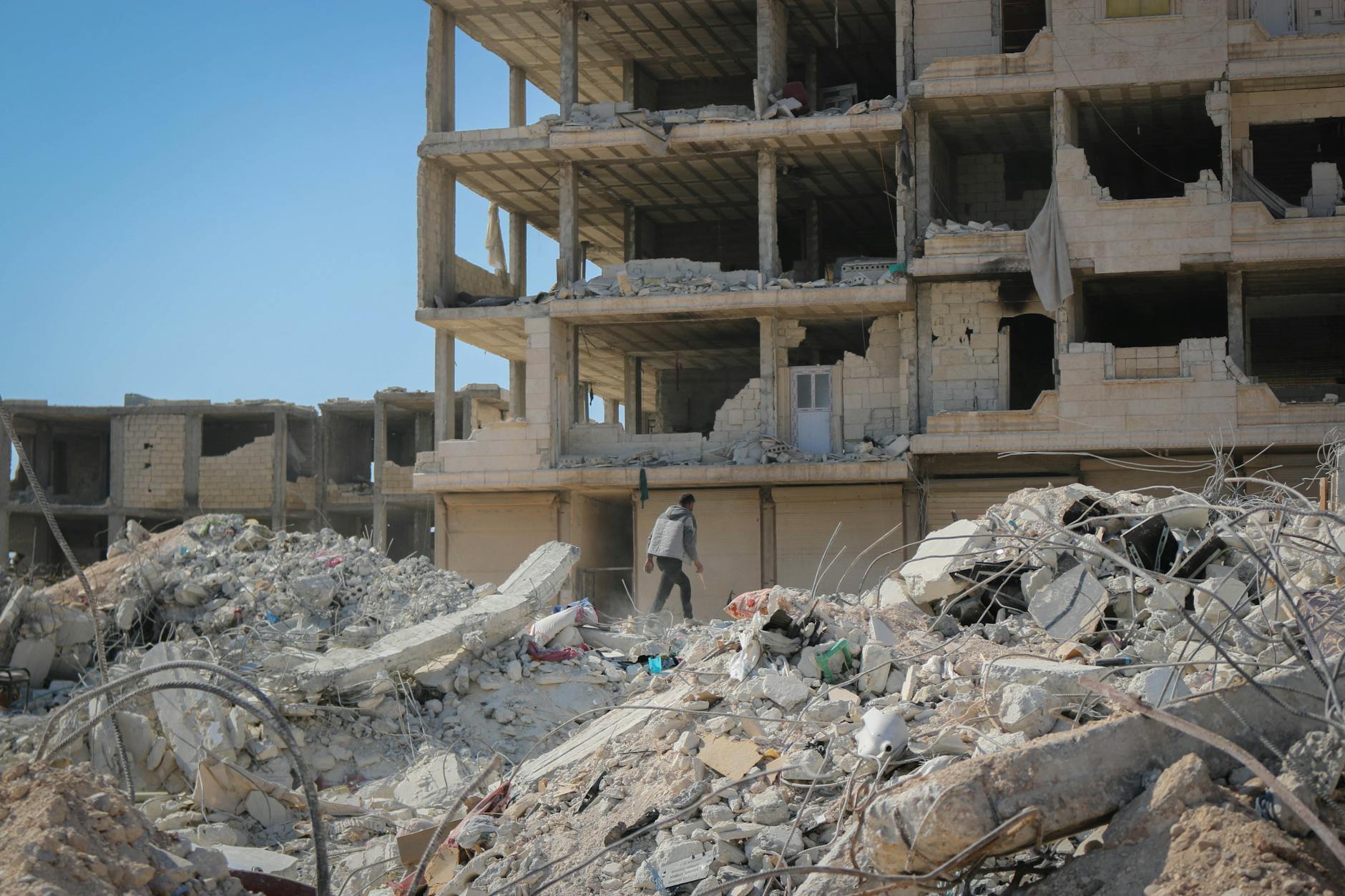
While the ceasefire holds, conflict persists elsewhere. Al Jazeera reported that Israel bombed locations across Lebanon, including Beirut, in strikes that authorities state killed at least 254 people in the hours following the truce announcement. Notably, Israeli officials have stated that the ceasefire "does not include Lebanon," despite initial reports suggesting a broader regional scope, according to Al Jazeera.
President Trump described the Iranian proposal as "workable," though he characterized the overall agreement as a "total and complete victory" in a telephone interview with AFP. He further claimed that Iran’s uranium stockpiles would be "perfectly taken care of" and acknowledged China's role in facilitating the negotiations, according to Al Jazeera.
Financial shifts and regional tensions
Amid the broader conflict, Iran and China are leveraging the situation to challenge the dominance of the U.S. dollar. According to Al Jazeera, commercial vessels moving through the Strait of Hormuz are being charged transit fees in Chinese yuan. Lloyd’s List reported that at least two vessels completed such payments by March 25, a move China’s Ministry of Commerce appeared to acknowledge in a recent social media post.
Kenneth Rogoff, a Harvard economics professor and former IMF chief economist, told Al Jazeera that the strategy serves a dual purpose. "At one level, Iran is aiming to poke its thumb in the United States’s eye, adding insult to injury," Rogoff said. "At another level, Iran is dead serious about preferring yuan to avoid US sanctions and to cultivate its ally, China."
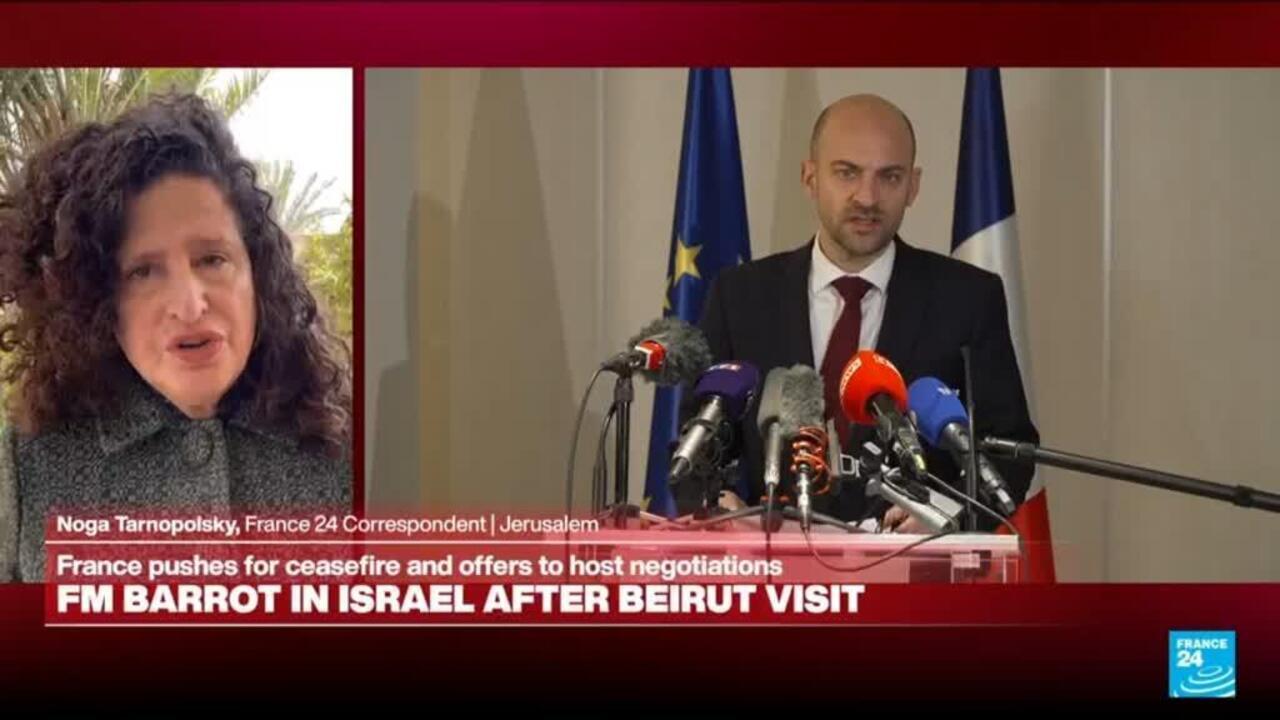
Diplomatic tensions also saw a shift on Wednesday as two French nationals, Cécile Kohler and Jacques Paris, returned to Paris after nearly four years of detention in Iran. President Emmanuel Macron welcomed the pair at the Élysée Palace. According to France 24, the two released detainees stated they were not "broken" by their ordeal, even as they vowed to speak out about the “daily horror” of their imprisonment.
Meanwhile, internal scrutiny regarding the conflict extends to European military support. A report released Tuesday by pro-Palestinian groups claims that French firms have maintained a "continuous pipeline of military hardware" to Israel throughout the war in Gaza. France24 reported that French customs agents conducted a surprise inspection at the headquarters of Sermat, an electronics firm near Paris, in October. The investigation focused on allegations that the company supplied components for Israeli drones, including the Elbit Systems Hermes 900. Authorities have since ordered the firm to halt these exports.