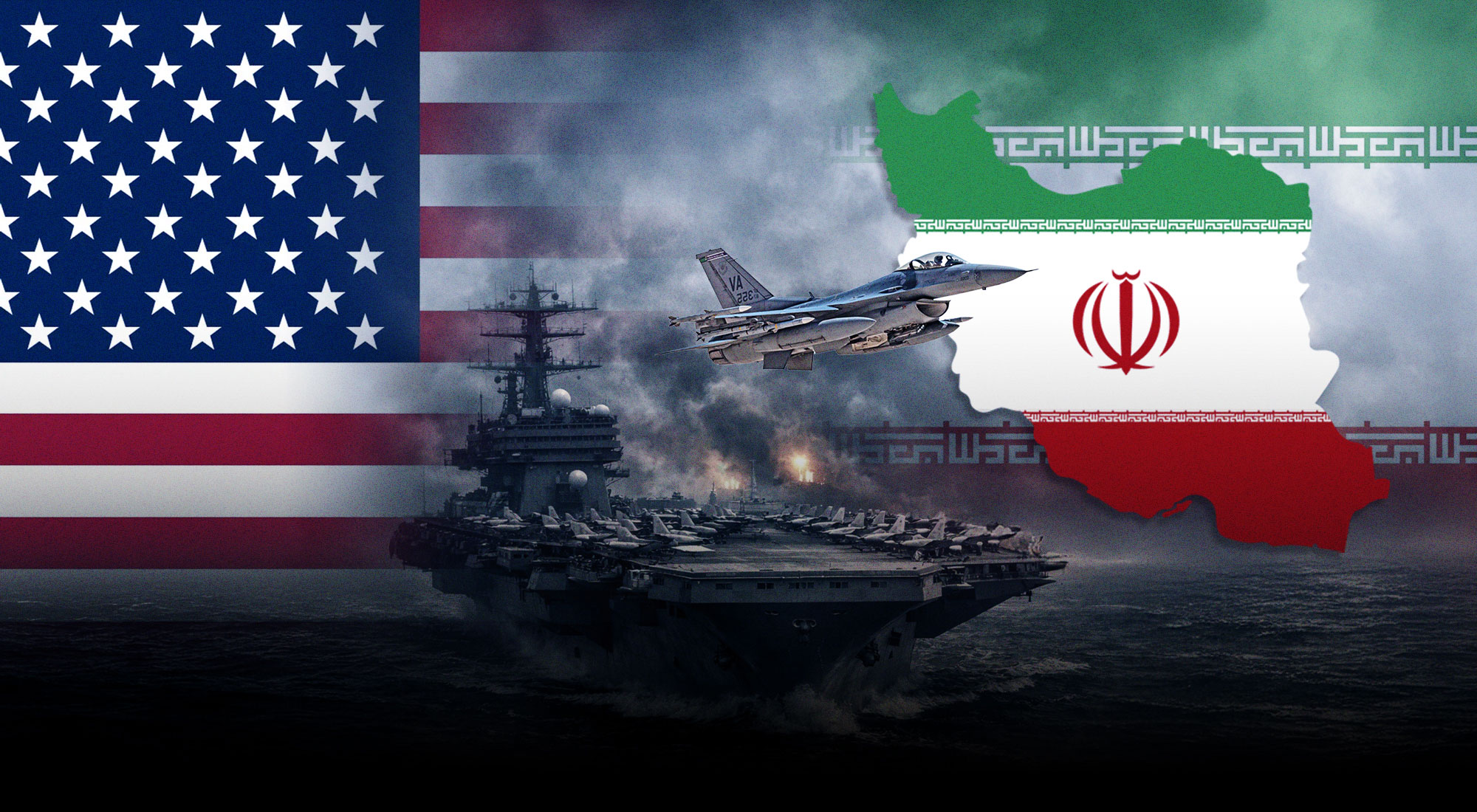
The United States and Iran began a two-week ceasefire on Wednesday, a move intended to halt hostilities and facilitate diplomatic negotiations in Islamabad. U.S. President Donald Trump announced the truce, which includes the reopening of the Strait of Hormuz, a critical maritime corridor for global oil supplies.
While the deal aims to de-escalate the conflict between Washington and Tehran, its scope remains a point of contention. Israeli Prime Minister Benjamin Netanyahu confirmed on X that Israel supports the U.S. effort to curb Iran’s nuclear and missile threats, but he explicitly stated that the ceasefire “does not include Lebanon.” Reporting from Jerusalem, France 24 correspondent Noga Tarnopolsky noted that the ceasefire is viewed as a “major problem domestically” for Netanyahu, as the exclusion of the Lebanese front intensifies political challenges within his coalition.
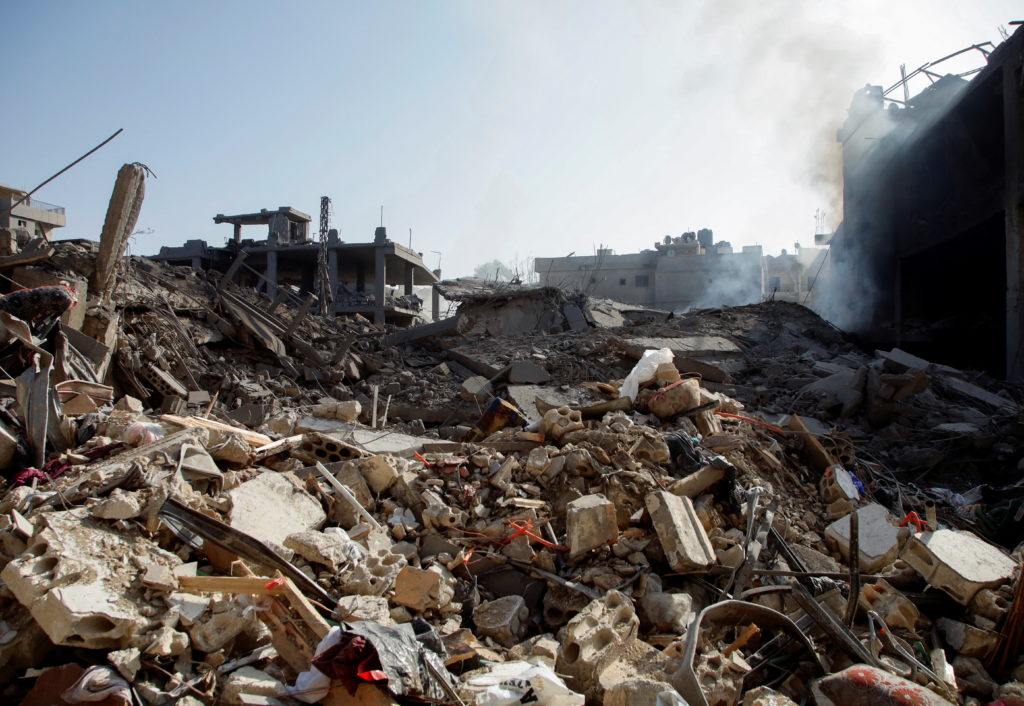
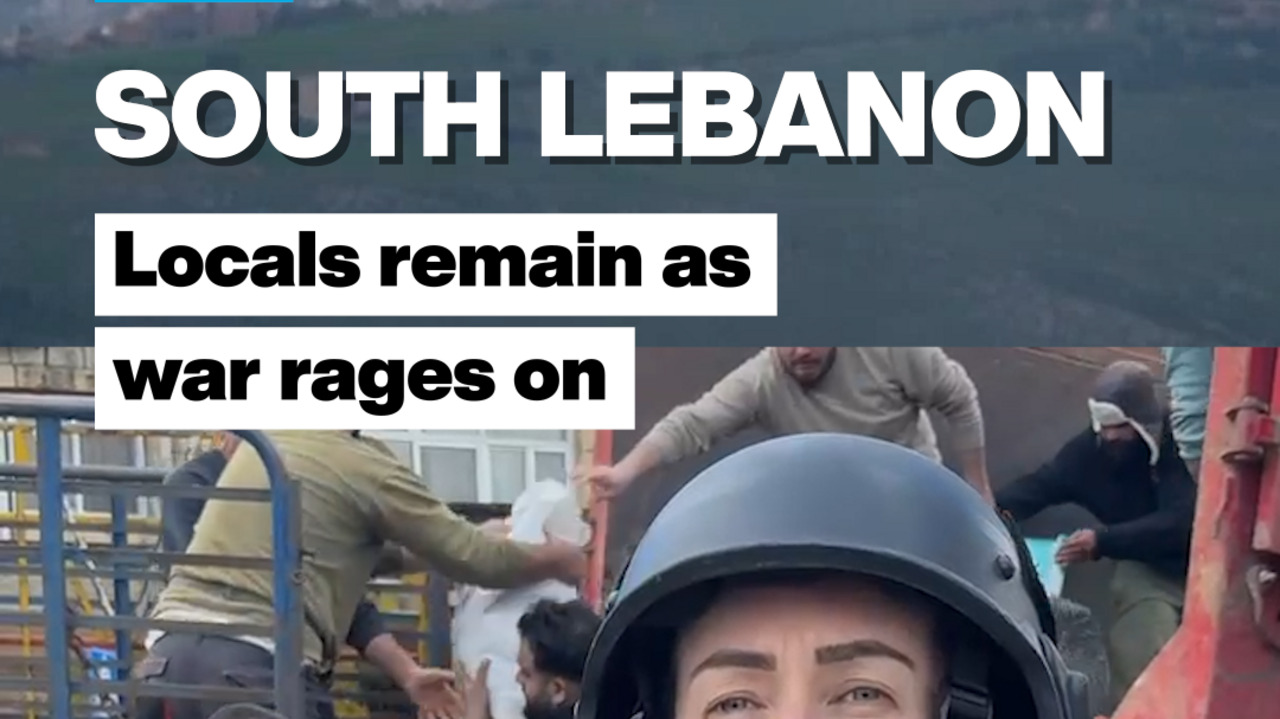
Israeli military strikes in Lebanon killed 182 people on Wednesday, according to officials. The Lebanese army has issued warnings to citizens against returning to southern villages, citing ongoing attacks and the movement of Israeli forces, who have been engaged in an invasion to establish a buffer zone since early March.
French President Emmanuel Macron stated that he personally urged both President Trump and Iranian President Masoud Pezeshkian to include Lebanon in the ceasefire agreement. Despite these international appeals, the conflict on the ground in Lebanon continues unabated.
In Washington, reactions to the truce were mixed. Democratic Senator Ruben Gallego welcomed the pause, saying, “Stopping war is good. I am glad our men and women in uniform will be out of danger.” Conversely, Republican Senator Lindsey Graham expressed skepticism, noting he was “extremely cautious” about the agreement. Graham emphasized that Iran must not be rewarded for its actions in the Strait of Hormuz and warned that lawmakers would scrutinize any potential long-term deal.
Diplomatic negotiations and domestic fallout
The two-week pause paves the way for talks on a 10-point proposal from Tehran, which President Trump described as a “workable basis on which to negotiate.” Iranian officials claim the plan includes sanctions relief and allows Iran to retain control of the Strait of Hormuz while continuing domestic uranium enrichment, according to reports in Iranian media.
In Tehran, state media is characterizing the ceasefire as a “victory against the United States and Israel.” France 24 reported that for the Iranian government, the survival of the state despite heavy losses and the assassination of top leaders is being framed as a strategic success.
Meanwhile, international reactions have been largely supportive. China’s Foreign Ministry spokeswoman, Mao Ning, welcomed the deal, noting that Beijing’s envoy had shuttled across the region to encourage the pause. Russia’s Foreign Ministry spokeswoman, Maria Zakharova, told Sputnik Radio that the approach of an “aggressive, unprovoked attack” against Iran had suffered a “crushing defeat.”
As the region moves toward the Friday talks in Pakistan, the Iranian Revolutionary Guards navy has posted a map showing alternative shipping routes in the Strait of Hormuz to assist transit vessels in avoiding naval mines.