Ukrainian forces have successfully reclaimed hundreds of square kilometers of territory in the northern Kharkiv region through a high-stakes deceptive maneuver dubbed "Operation Bear Trap." The operation, which Ukraine says is ongoing, has liberated 14 settlements and 200 square kilometers of land previously occupied by Russian troops.
According to Al Jazeera, the maneuver relied on secrecy and misdirection to strike Russian forces from multiple sides. Ukrainian commanders reportedly used a Russian T-80 tank and an Abrams M-1 tank to stage a feint toward the border town of Vilhuvatka. This move tricked Russian forces into thinking the main assault was coming there, allowing Ukraine to strike reinforcements from the rear and use drones to mine resupply routes.
This tactical success comes as Russian military losses reach unprecedented levels. Ukraine’s military reported that Russian casualties hit a record 432,519 on November 24. Al Jazeera further noted that the following day, the military set a new monthly record of 55,629 deaths for November, with five days remaining in the month.
A Winter of Darkness and Diplomatic Pressure
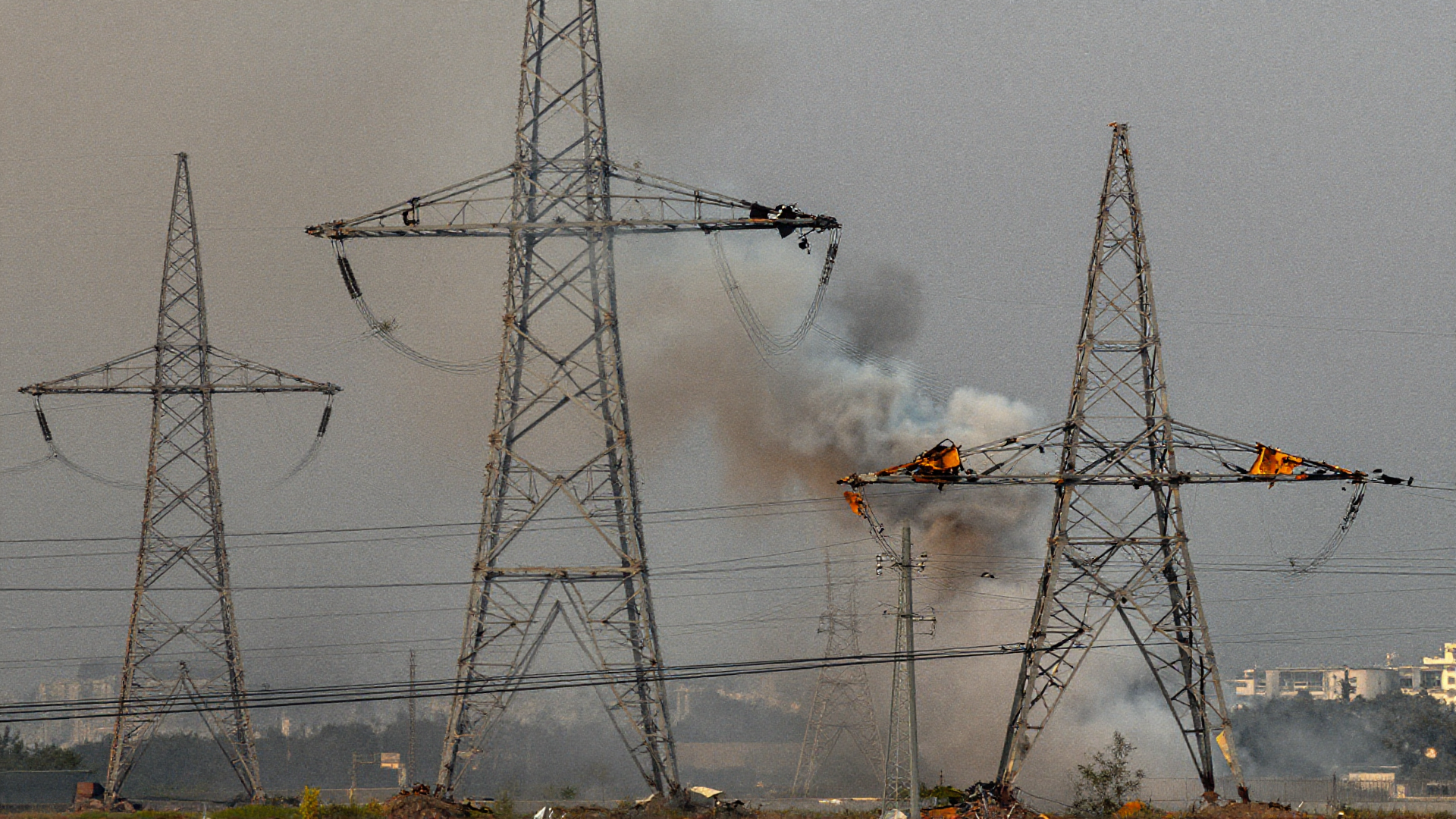
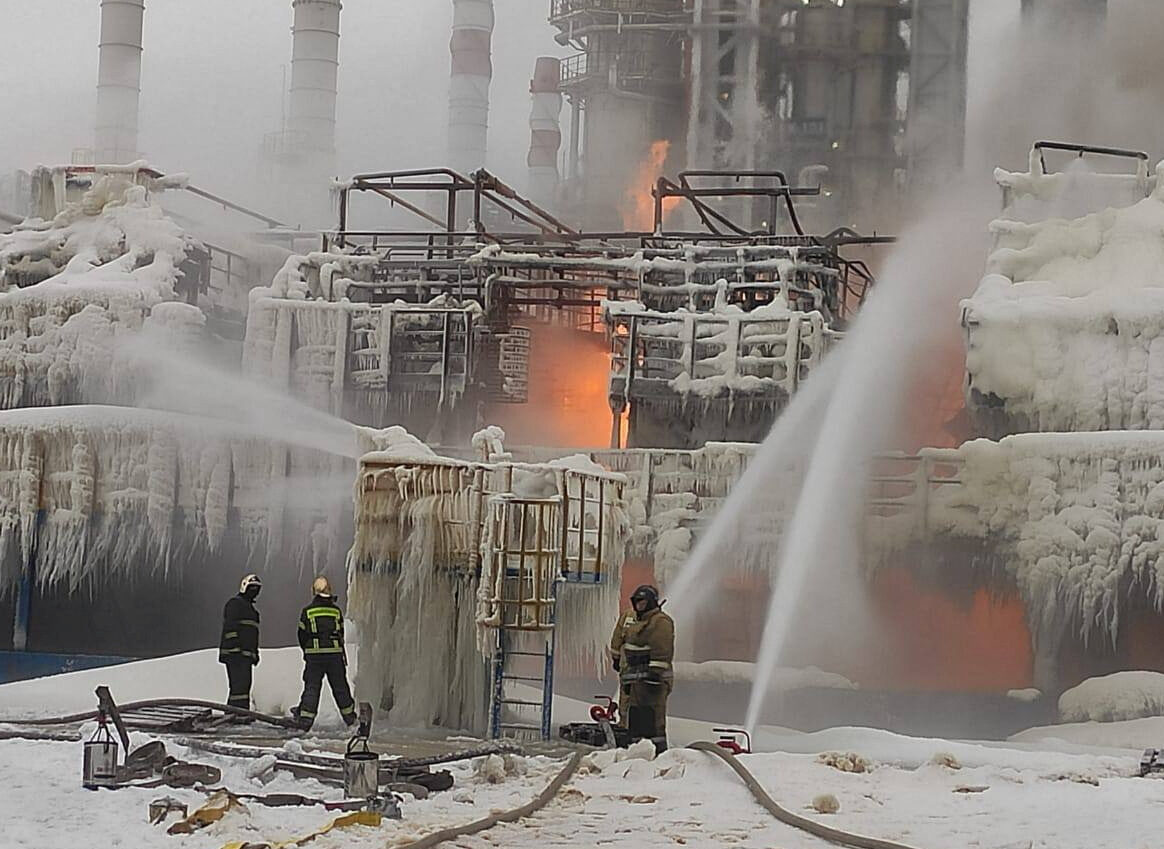
While the battlefield sees shifts in control, the civilian population faces a grueling winter of bombardment and energy shortages. In Kyiv, the lack of electricity, heat, and water has become a regular reality due to Russia's campaign against Ukraine's power infrastructure.
BBC World reports that Kyiv is often shrouded in darkness at night. During recent heavy attacks, the sky has been lit by the flashes of incoming missiles. John Simpson of the BBC noted that the city employs strange strategies to disorient Russian technology, such as a mobile phone clock synchronization that shifts to midnight upon reaching the city to confuse incoming drones and missiles.
On November 16, the conflict saw a sharp escalation in infrastructure strikes. Ukraine hit the Kerch bridge linking Russia to occupied Crimea, which Al Jazeera reports resulted in damage to the central road-bridge arch. In what was presumably a retaliatory strike, Russia fired seven ballistic missiles at Kyiv, disabling two of the nine bridges crossing the Dnipro River, according to the BBC.
Despite these battlefield gains, the political landscape remains fraught. The Wall Street Journal reported that US negotiators have presented two proposals to Kyiv that involve an exchange of land for peace. One proposal suggests Ukraine could cede the "fortress belt" of cities in Donetsk in exchange for full NATO membership.
President Volodymyr Zelenskyy has rejected the idea of retreating from these well-defended positions. Meanwhile, Russian official Dmitry Medvedev has reiterated that Ukraine's potential NATO membership remains a primary driver of the conflict, suggesting the partition of the country as a possibility, according to Al Jazeera.
As temperatures drop to freezing, the human cost continues to climb. The United Nations estimates that the war has killed approximately 100,000 Ukrainian troops and 18,000 civilians, though the BBC suggests these numbers are likely higher. For those in Kyiv, the reality of the war is a mix of routine and terror, where many rely on the "law of averages" to survive the frequent red alerts and missile strikes.