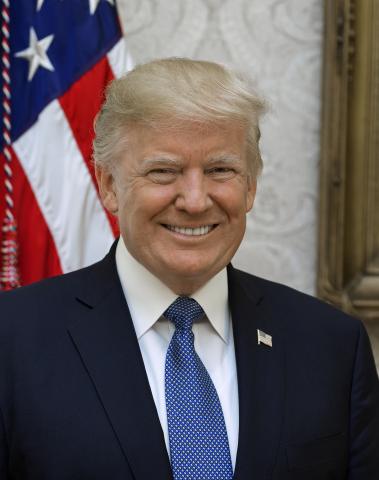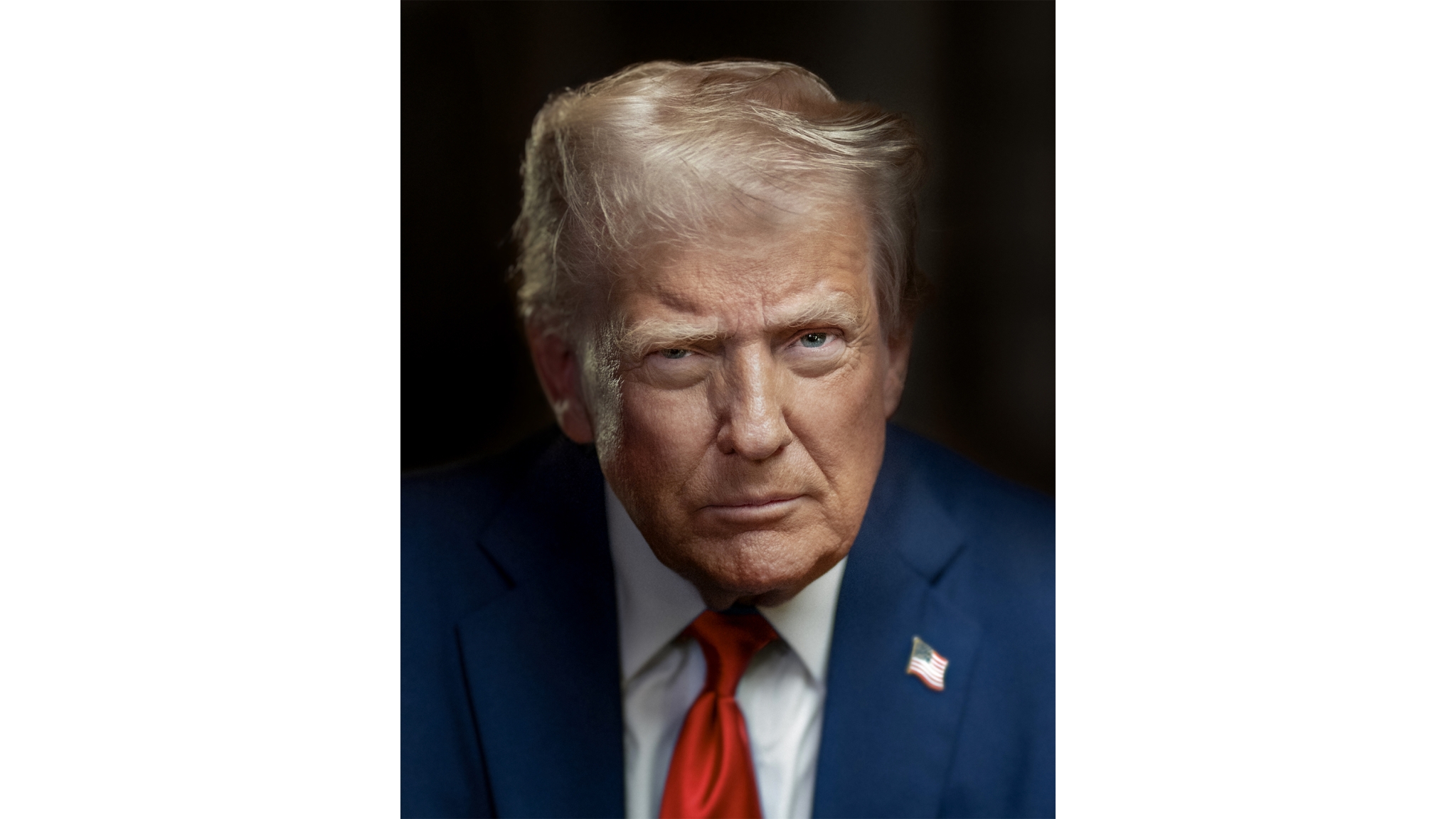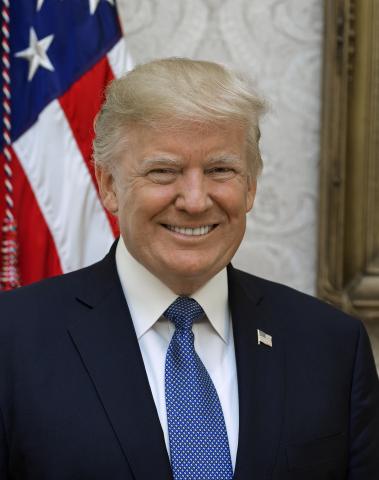
President Donald Trump announced late Tuesday that the United States and Iran have entered a two-week ceasefire, averting a planned military strike that threatened to destroy Iranian power plants, bridges, and energy infrastructure. The agreement, confirmed by Trump via social media at 18:32 Washington time, follows an 11th-hour appeal from Pakistani Prime Minister Shehbaz Sharif.
Trump previously set a deadline of 00:00 GMT Wednesday for Iran to open the Strait of Hormuz. He had threatened that failure to comply would result in the destruction of a “whole civilisation,” adding in a Truth Social post, “A whole civilisation will die tonight, for it to never be brought back again.”
According to Al Jazeera, negotiations between the two sides are scheduled to begin Friday in Islamabad. Iran has agreed to coordinate safe passage through the Hormuz Strait with its armed forces as part of the de-escalation effort.
While the pause in hostilities led to a drop in oil prices below $100 a barrel and a rally in US stock futures, the diplomatic path remains volatile. France24 reported that US officials were aware of Pakistan’s proposal for a two-week extension, and a senior Iranian official confirmed Tehran was reviewing the request positively before the deal was finalized.
Rhetoric and international fallout
The lead-up to the ceasefire was marked by extreme rhetoric. Trump told reporters at the White House that he was not worried about accusations that his threats to civilian infrastructure constituted war crimes. “What is a war crime is allowing a sick country, with demented leaders, to possess a nuclear weapon,” he stated.
International observers and internal critics expressed alarm at the tone of the administration. Negah Angha, a fellow at King’s College London, warned via France24 that the rhetoric “could create a norm for other countries to pursue, years down the road, to cause an emotional crisis for people.”
Domestic reactions were divided. While many Republicans remained supportive, senior members of the party voiced dissent. Congressman Austin Scott of Georgia criticized the president’s comments as “counter-productive.” Meanwhile, Senate Majority Leader Chuck Schumer suggested that any Republican who did not support ending the war “owns every consequence of whatever the hell this is.”
France24 also noted that during a recent press conference, Trump repeated debunked claims regarding his past foreign policy and a 2000 book he authored. He additionally claimed that the only US planes lost during the war were due to “friendly fire,” despite the briefing’s focus on the rescue of two air personnel shot down by Iranian forces.
As the ceasefire takes hold, residents in Tehran, who had been hoarding water and supplies in anticipation of total blackouts, face a temporary reprieve. However, as the BBC reported, the conflict has fundamentally altered global perceptions of the United States, raising questions about the stability of the international order under the current administration’s approach to diplomacy.