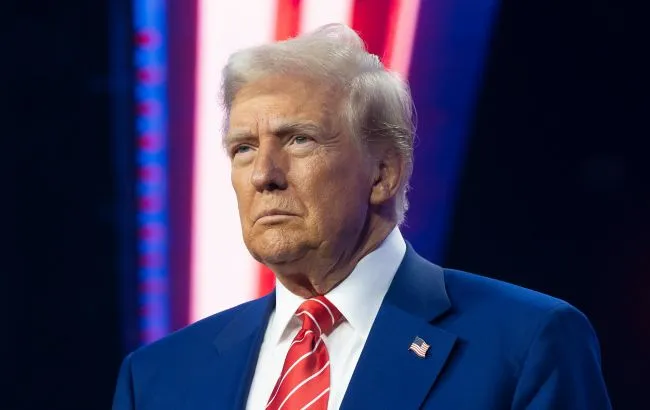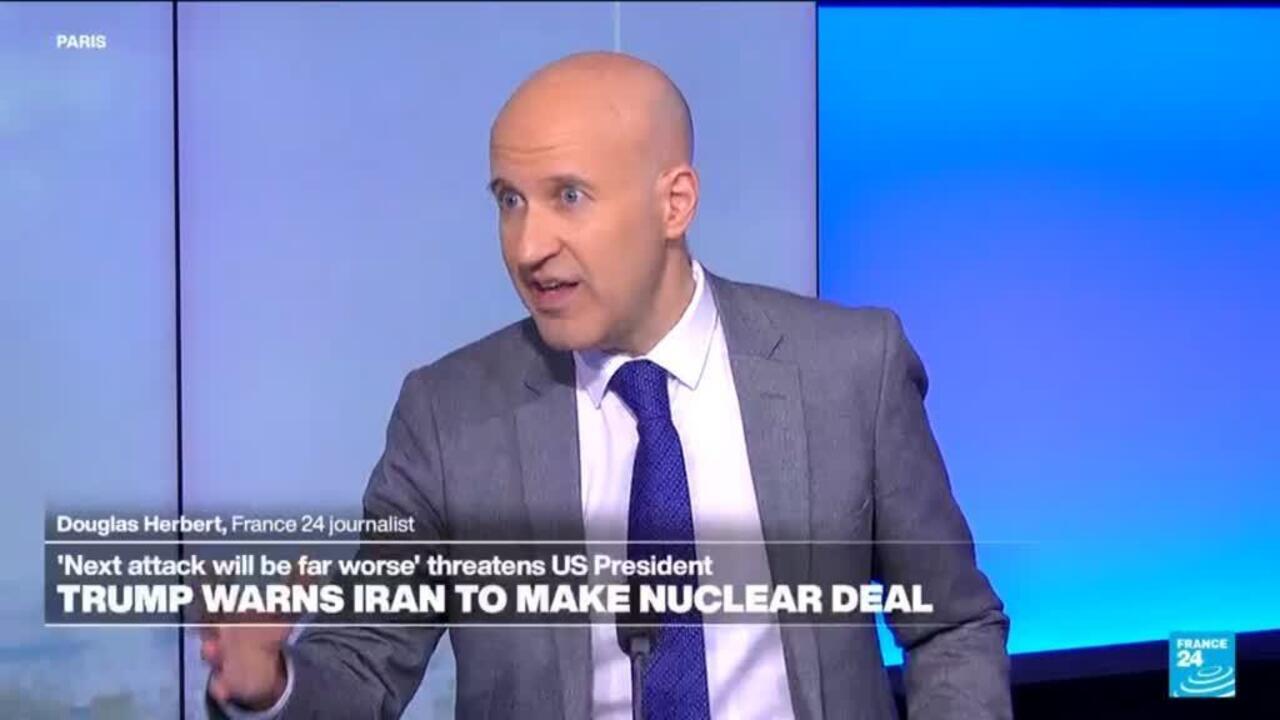
The latest escalation in rhetoric between the United States and Iran has injected significant volatility into the Middle East geopolitical landscape. President Trump issued a stark ultimatum to Tehran, warning of significantly harsher consequences should negotiations regarding its nuclear program fail to materialize. Iran’s subsequent response, threatening retaliation against the US, Israel, and their allies, underscores the fragility of the current standoff.
From an analytical perspective, the immediate policy objectives remain opaque. The administration has oscillated between demanding complete denuclearization, advocating for regime change, and offering pathways back to dialogue, all while observing internal unrest within Iran. This ambiguity complicates forecasting for international markets and regional security planners alike.
However, the timing of this heightened tension is drawing scrutiny from observers focused on domestic political dynamics. As noted by analysts tracking the administration’s positioning, aggressive foreign policy maneuvers often serve as a powerful tool to consolidate support and redirect media attention away from challenging domestic issues. The current focus on a potential military confrontation with a long-standing adversary appears to be effectively eclipsing coverage of internal political struggles.
This strategic deployment of external conflict is a well-documented phenomenon in international relations, where perceived external threats can temporarily unify disparate domestic factions. For global stakeholders, the challenge lies in discerning the true strategic intent—is this a genuine precursor to military action, or a calculated political maneuver designed to manage domestic headwinds?
The markets, sensitive to any disruption in the Persian Gulf, are closely monitoring energy supply routes and the potential for regional proxy conflict expansion. Any miscalculation by either capital could trigger significant economic shocks, particularly impacting oil futures and global supply chain stability.
Ultimately, while the immediate diplomatic and military posturing is centered on Iran’s nuclear portfolio, the broader implication for global governance is the potential for high-stakes brinkmanship to become a primary tool in domestic political management. The international community awaits clarity on whether these threats translate into concrete policy shifts or serve primarily as a distraction.
This analysis is based on reporting and commentary from sources including FRANCE 24.