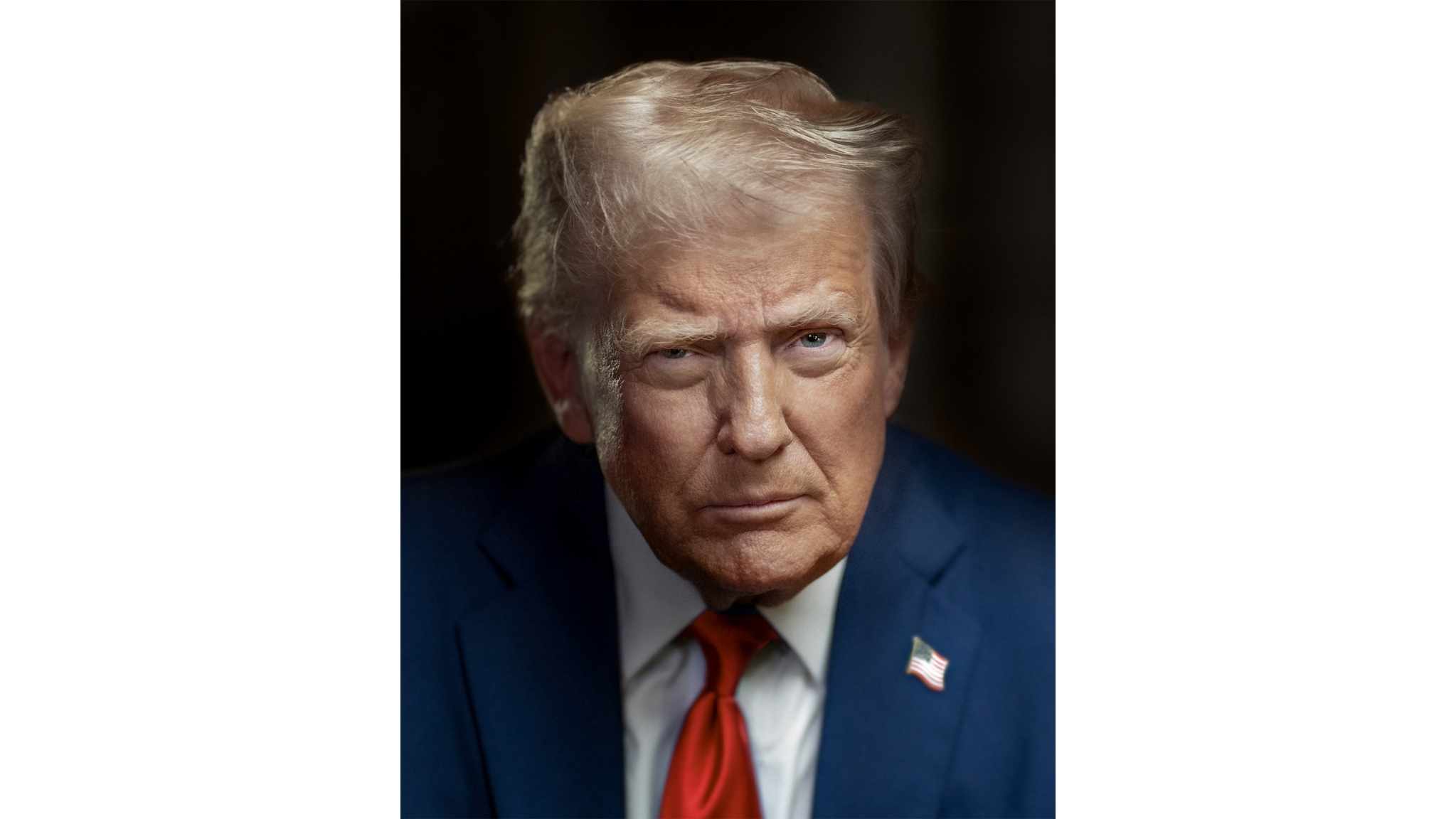
The volatile relationship between the United States and Iran has reached a critical juncture following explicit military threats issued by the Trump administration. On January 28, the US President leveraged social media platforms to demand Tehran acquiesce to a restructured diplomatic arrangement, warning that failure to comply would result in a punitive military response exceeding the scale of previous engagements.
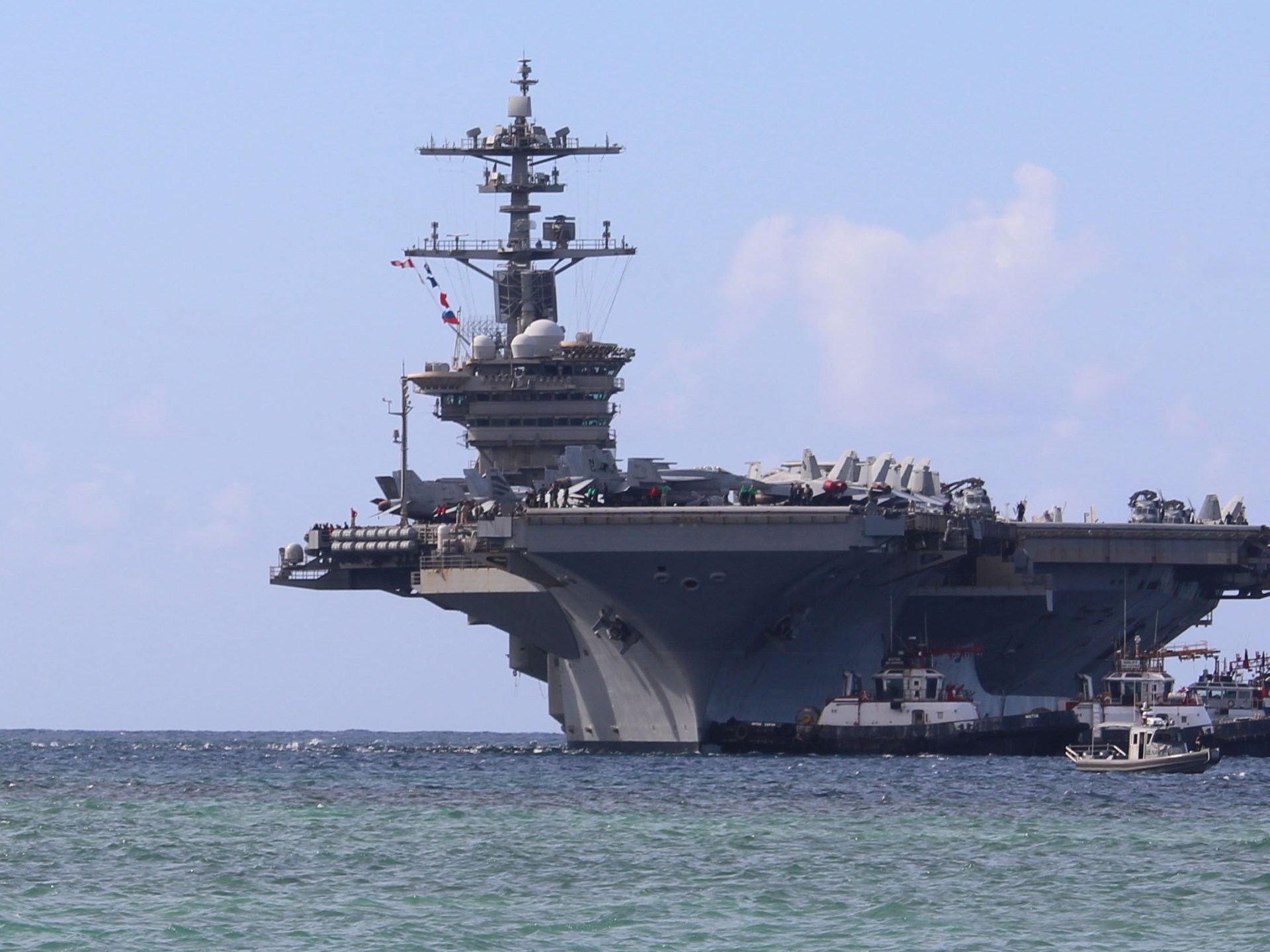
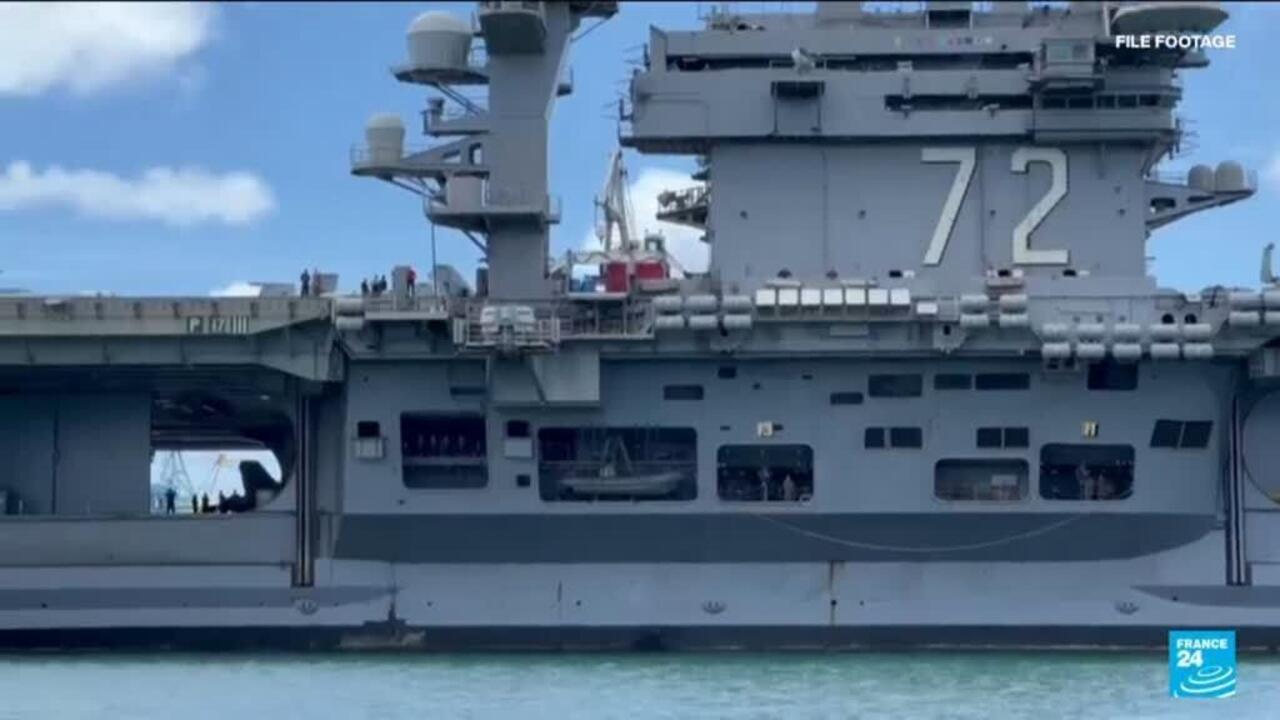
This direct escalation comes amid a significant military deployment, with a US naval strike group positioned within striking distance in Middle Eastern maritime zones. The visible presence of advanced military assets underscores the seriousness of Washington's posture, placing the region on high alert for potential kinetic confrontation.
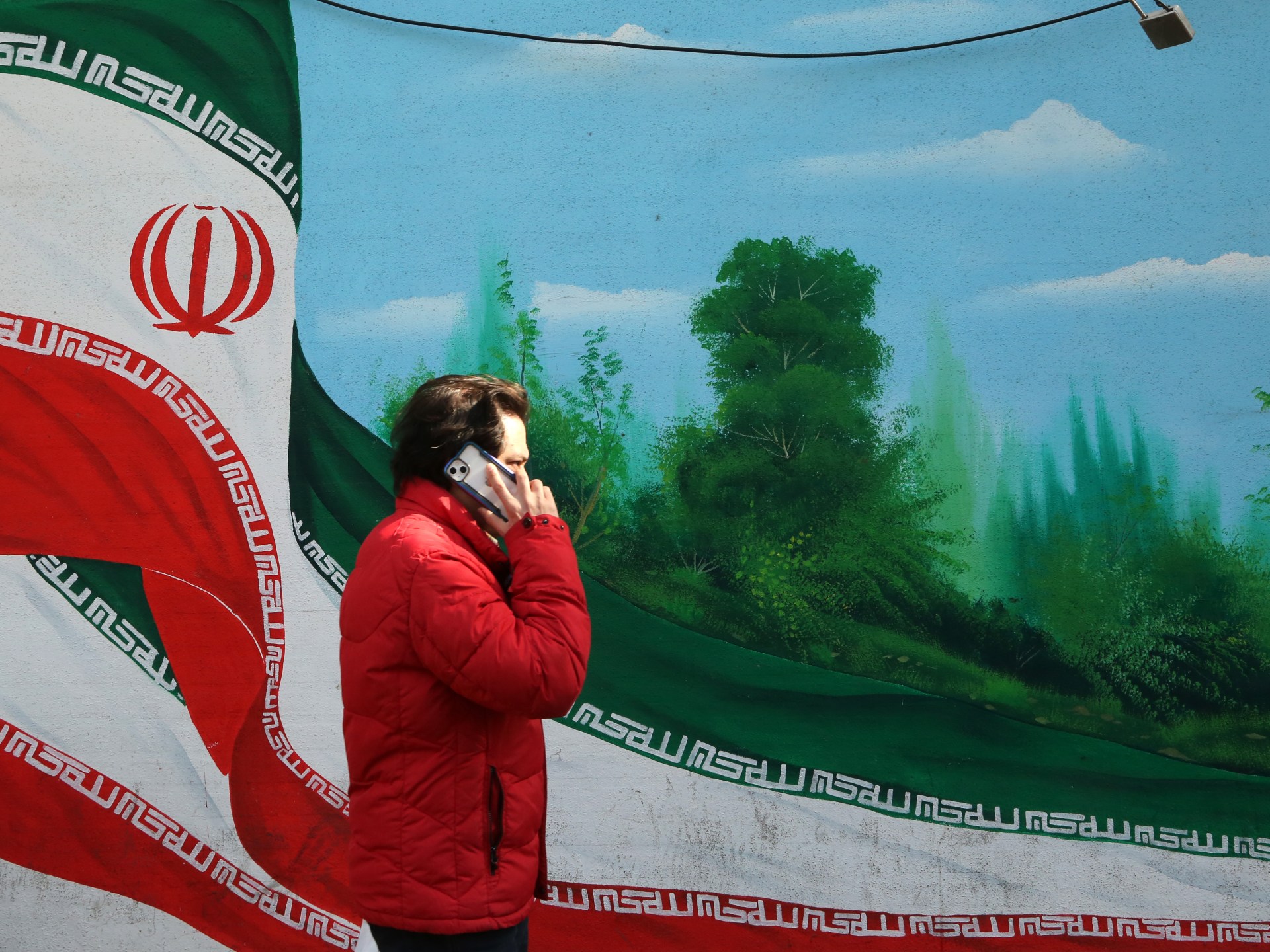
In response, the Iranian mission to the United Nations delivered a firm and unambiguous declaration. Tehran signaled its intention to respond to any American aggression with force, promising a reaction that would be qualitatively different and more severe than any previously seen in the long-running shadow conflict between the two nations.
The exchange highlights the persistent deadlock in nuclear diplomacy, where political rhetoric is increasingly intertwined with overt military signaling. For global markets, particularly those sensitive to energy supply routes, such heightened tension translates directly into increased risk premiums and potential volatility in oil futures.
Analysts suggest that this current phase of brinkmanship is designed to exert maximum pressure on the Iranian leadership to return to negotiations under terms favorable to the US. However, such aggressive posturing also carries the inherent risk of miscalculation, which could rapidly spiral beyond intended political objectives.
From a strategic perspective, the situation reflects a broader international concern regarding the stability of the Persian Gulf. Any significant military action in this vital chokepoint threatens global trade flows and could draw in regional actors, complicating international security efforts.
This cycle of threat and counter-threat underscores the fragile nature of deterrence in the current geopolitical landscape. The focus remains fixed on whether diplomatic off-ramps can be found before the escalating rhetoric translates into irreversible military action, as sourced from reports following the UN mission's statement and US presidential remarks.