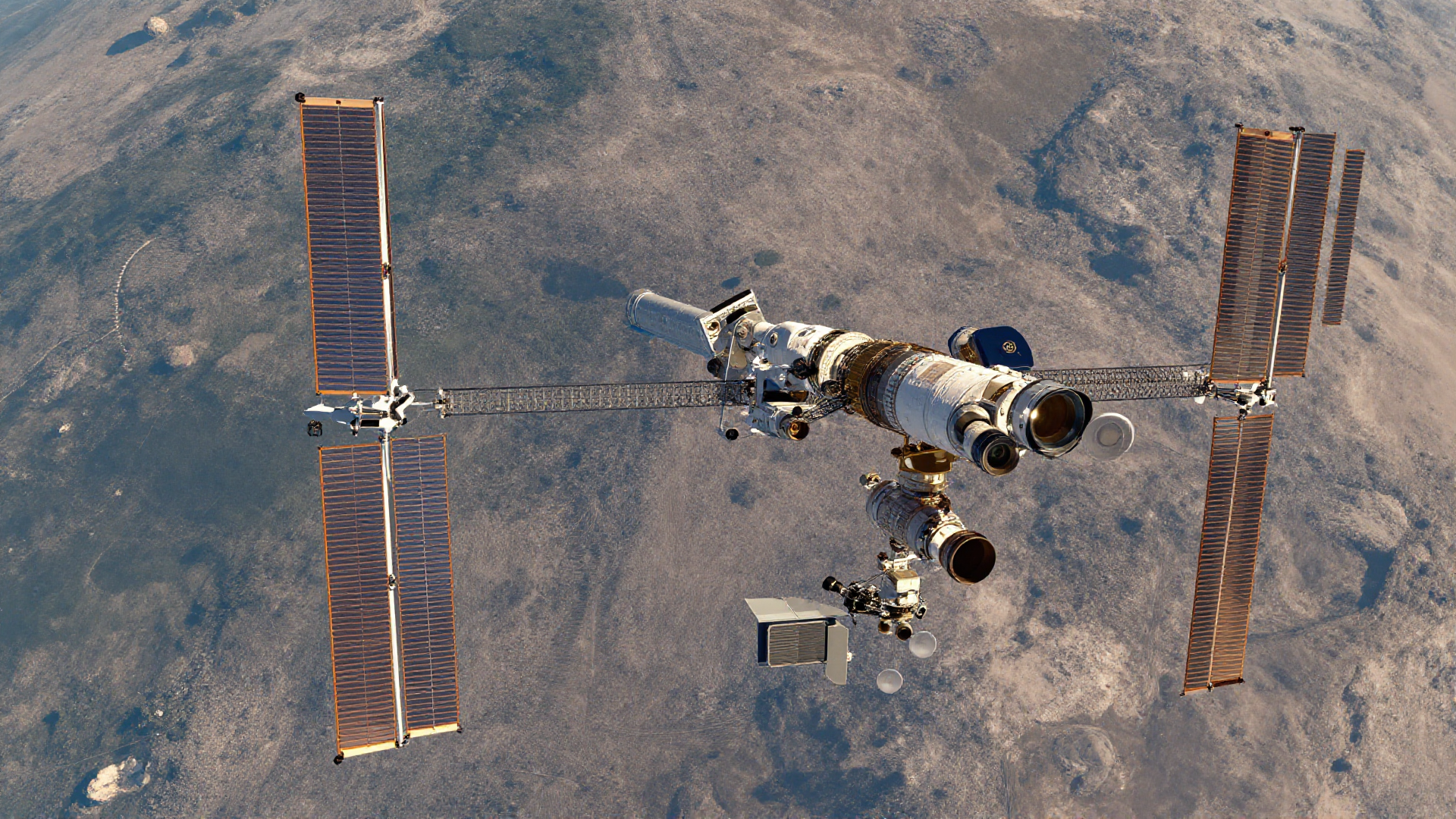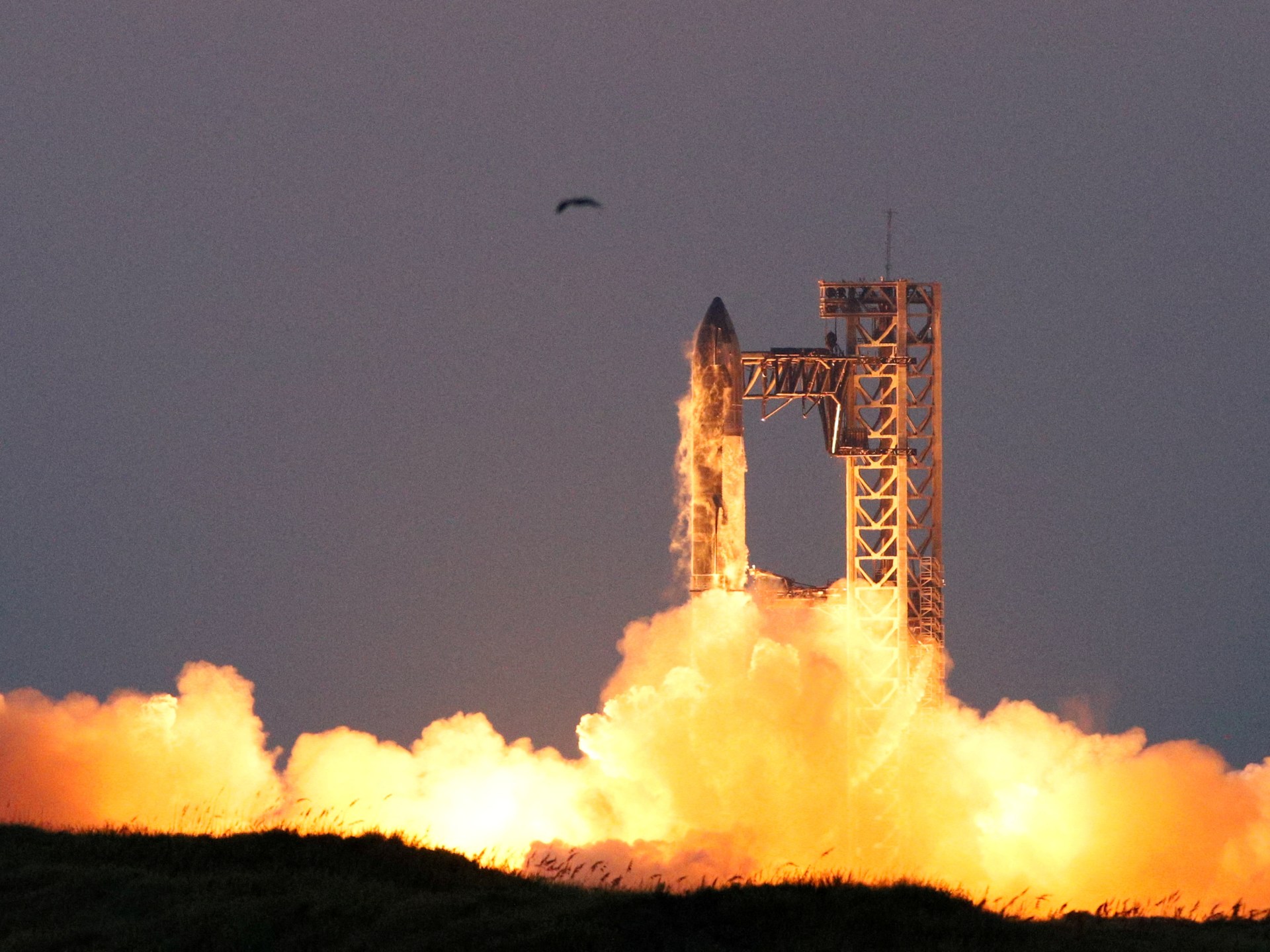
The United States Federal Communications Commission (FCC) has authorized a plan by SpaceX to deploy up to one million satellite data centres into orbit. The project, titled “Starmind,” aims to provide the massive computing power required to fuel the global artificial intelligence revolution.
According to Al Jazeera, the FCC’s decision on Wednesday marks a historical first for the country. The authorization allows SpaceX to move data processing into space, utilizing the sun as a primary power source to bypass the growing difficulty of finding electrical power on Earth.
FCC Chairman Brendan Carr stated via X that the move is intended to ensure American leadership in super intelligence. “This is the kind of American ingenuity that can unite our strengths in space and advanced technology, reinforce our economic leadership and expand prosperity here at home,” Carr said, noting the move aligns with President Donald Trump’s leadership to drive investment in breakthrough technologies.
SpaceX describes the Starmind system as a network of satellites with localized AI compute that beams results back to Earth from a low-latency, sun-synchronous orbit. The company claims this method is a high-performance, low-cost solution to the resource constraints facing terrestrial data centres.
Astronomical risks in the Atacama Desert
While the U.S. government views the project as a technological breakthrough, the European Southern Observatory (ESO) has expressed serious concerns regarding its impact on space-based science. CNN Chile reports that the massive constellation could compromise the observations of some of the world's most advanced telescopes.
ESO operates the Very Large Telescope (VLT) in Chile’s Paranal Observatory and is currently constructing the Extremely Large Telescope (ELT), which will be the world’s largest optical and infrared terrestrial telescope. The observatory warns that the sheer volume of satellites could exceed any ability to mitigate their visual impact on astronomical imaging.
CNN Chile notes that these satellites could obstruct the observation of distant galaxies, Earth-like planets, and potentially dangerous asteroids. Beyond visual light interference, the ESO warns of risks including radio telescope interference, atmospheric pollution from launches and re-entries, and the possibility of chain-reaction collisions in low Earth orbit.
Andreas Kaufer, Director General of ESO, has called for the establishment of international mechanisms to evaluate space projects whose consequences cross the borders of the countries that authorize them. ESO shared imagery from October 15, 2025, showing bright satellite streaks crossing the sky over the Atacama Desert in just one hour.
Under the terms of the FCC license, SpaceX faces a strict deployment timeline. According to Al Jazeera, the company must begin deployment no later than November 2033. The mandate requires SpaceX to have 100,000 satellites in orbit by November 2035, 500,000 by November 2038, and the full constellation of one million by 2040.
The move to space also addresses the environmental footprint of terrestrial computing. Al Jazeera reports that large data centres on Earth consume vast amounts of land and water, with a US nonprofit, the Environmental and Energy Study Institute, noting that large centres can consume up to 5 million gallons of water. Moving these operations to orbit seeks to alleviate the pressure on Earth's water supplies and power grids.