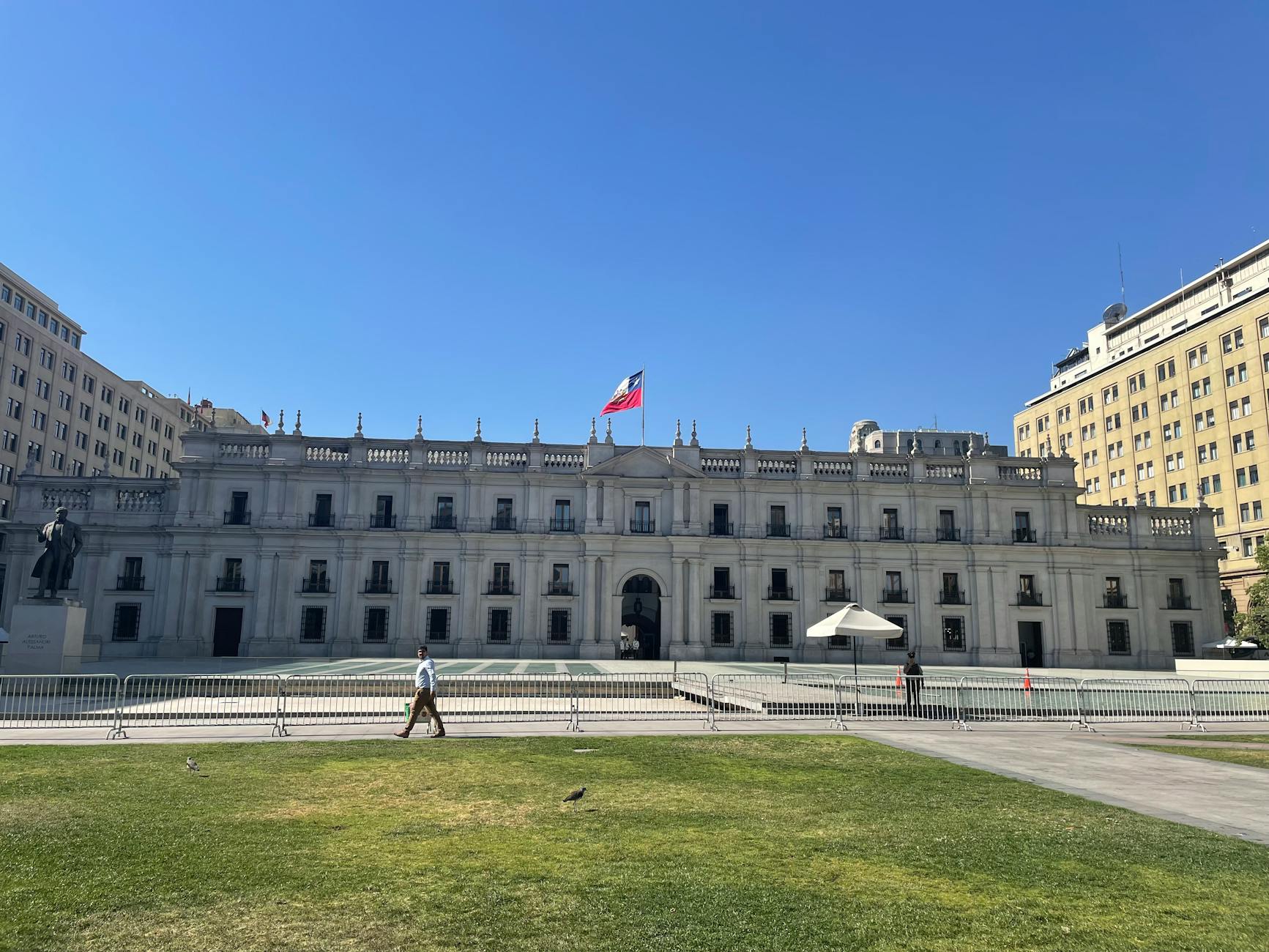
The bill seeking to establish the National Registry of Vandalism and Incivilities has made progress in the Chamber of Deputies, though it remains overshadowed by a negative report regarding its financing. The initiative, which was cleared by the Finance Committee, represents one of the flagship commitments from President José Antonio Kast's first State of the Nation address.
The proposal stipulates that the registry will be managed centrally by the Civil Registry Service. However, according to reports from BioBioChile, the third transitory article specifies that the technological implementation within local police courts would be the responsibility of the respective municipalities.
This provision caused friction during the committee debate, where the article was rejected due to the lack of a financial report precisely identifying required amounts and funding sources. Furthermore, warnings were issued regarding a potential violation of the Constitutional Organic Law of Municipalities.
Costs and Tensions in Congress
According to government estimates reported by BioBioChile, implementing the registry would cost 1.363 billion pesos during its first year. These funds would be allocated to IT infrastructure, maintenance, and ensuring interoperability with other ministries and public services.
Funding is projected to come from the existing budgets of the responsible agencies, though there is a possibility that the Ministry of Finance will supplement these funds from the Public Treasury. Uncertainty surrounding this point caused divisions in the chamber, affecting even members of the ruling coalition.
Deputy Diego Schalper (RN) voted against the article, arguing that there are flaws in the financing design. The opposition has also voiced its stance; according to BioBioChile, the Frente Amplio and other sectors have raised doubts about the feasibility of the measure and its impact on local government coffers.
For his part, President José Antonio Kast has defended the nature of his structural policies. Amidst these legislative developments, the President emphasized the importance of long-term state policies while at La Moneda, noting that, despite differences in execution, the goal is to ensure the sustainability of these measures over time.