A History Repeating Itself
Four years after the European Union first declared it would break free from its reliance on foreign energy following Russia’s invasion of Ukraine, the continent finds itself once again in the throes of an energy crisis. As conflict flares in the Middle East, European leaders are scrambling to manage volatile prices, ignoring the long-term structural reforms needed to stabilize the economy. For many diplomats, the current situation feels like a case of déjà vu, with the same internal divisions and policy dilemmas resurfacing.
In 2022, European Commission President Ursula von der Leyen famously declared that Europe was embroiled in a “war on our energy” and “a war on our economy.” The bloc moved with uncharacteristic speed to decouple from Russian fossil fuels, successfully reducing Russian oil imports to a mere 2% and pivoting toward alternative suppliers. However, as critics now point out, replacing a single supplier with new ones has not fundamentally solved the issue of energy security; it has merely shifted the dependency.
The New Transatlantic Reality
Central to this shift is the role of the United States. In the wake of the 2022 energy standoff, Europe became the world’s largest importer of liquified natural gas (LNG), with the U.S. providing approximately 57% of that supply. For nations like Germany, which historically relied on Russian pipelines, the reliance on American LNG has become near-total, with recent figures showing the country sourcing 96% of its LNG from the U.S.
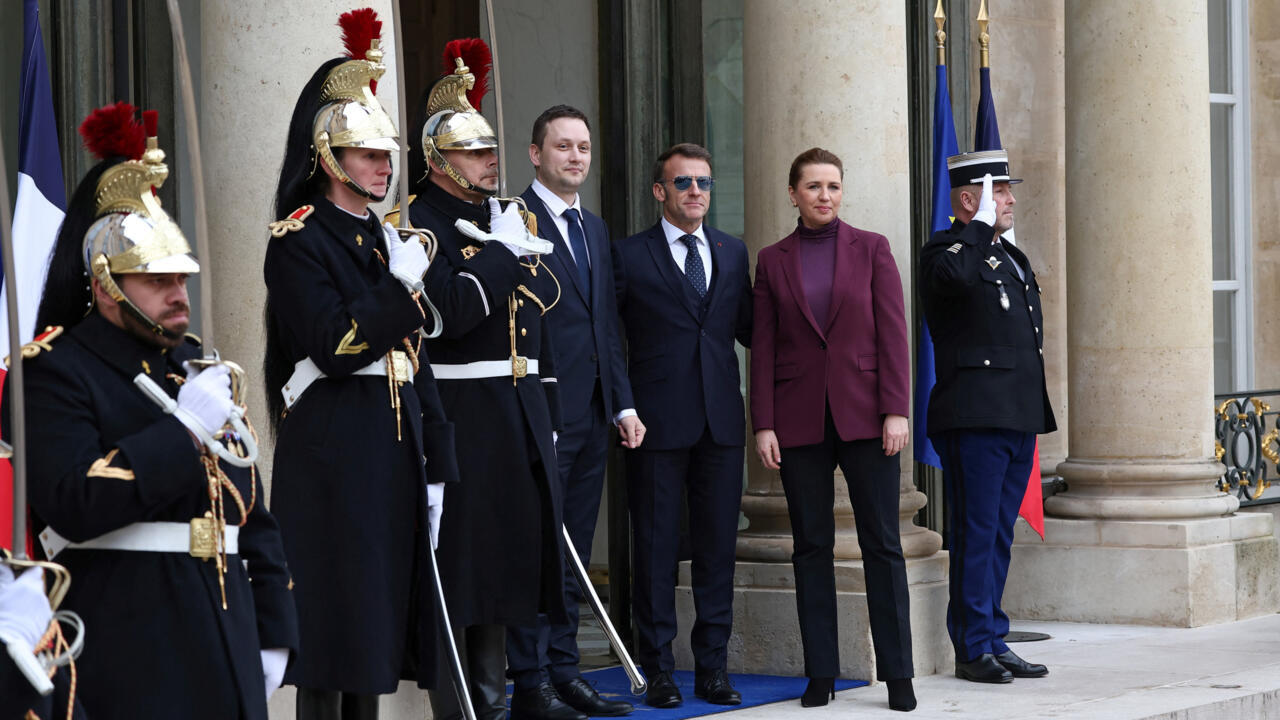
This dependence has created a precarious geopolitical dynamic. Under the current U.S. administration, energy has become a tool of economic leverage. When President Donald Trump threatened the EU with steep tariffs on exports earlier this year, the response was a high-stakes deal brokered at his Turnberry resort. Ursula von der Leyen committed the bloc to $750 billion in U.S. energy and technology investments over three years in exchange for a reduction in tariff threats. While framed as a strategic move toward energy security, the agreement has left many observers concerned that the EU has traded its autonomy for a position of structural weakness.
The Cost of Short-Term Thinking
Inside the corridors of Brussels, there is a growing sense of frustration among officials who argue that the continent is trapped in a “sleepwalking” pattern. Instead of focusing on building long-term competitiveness and integrating diverse renewable energy sources, leaders are forced into reactive, short-term crisis management to appease angry voters and stabilize failing industries.
As the EU heads into another summit, the question remains whether the bloc can truly achieve energy sovereignty. The transition away from Russia was a necessary first step, but the current dependence on a single, albeit different, provider suggests that the fundamental vulnerability remains. Without a shift toward a more robust, internally focused energy policy, Europe risks continuing to spin in circles, forever at the mercy of global conflicts and the shifting priorities of its international partners.