A Country Under Fire
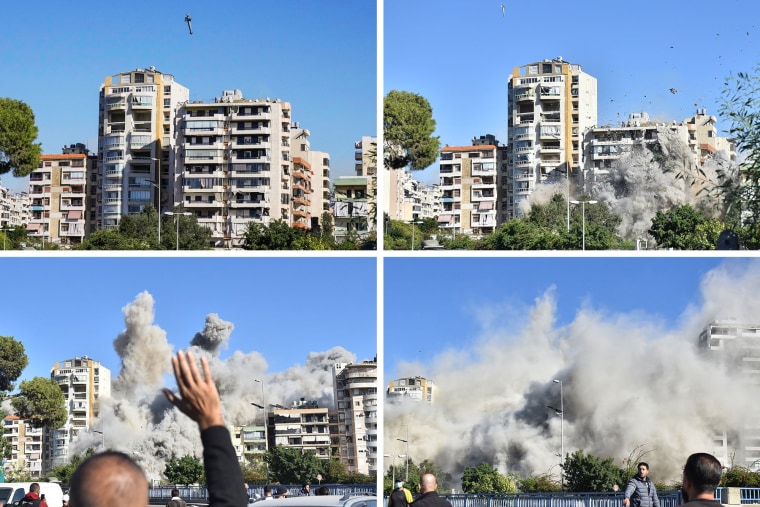
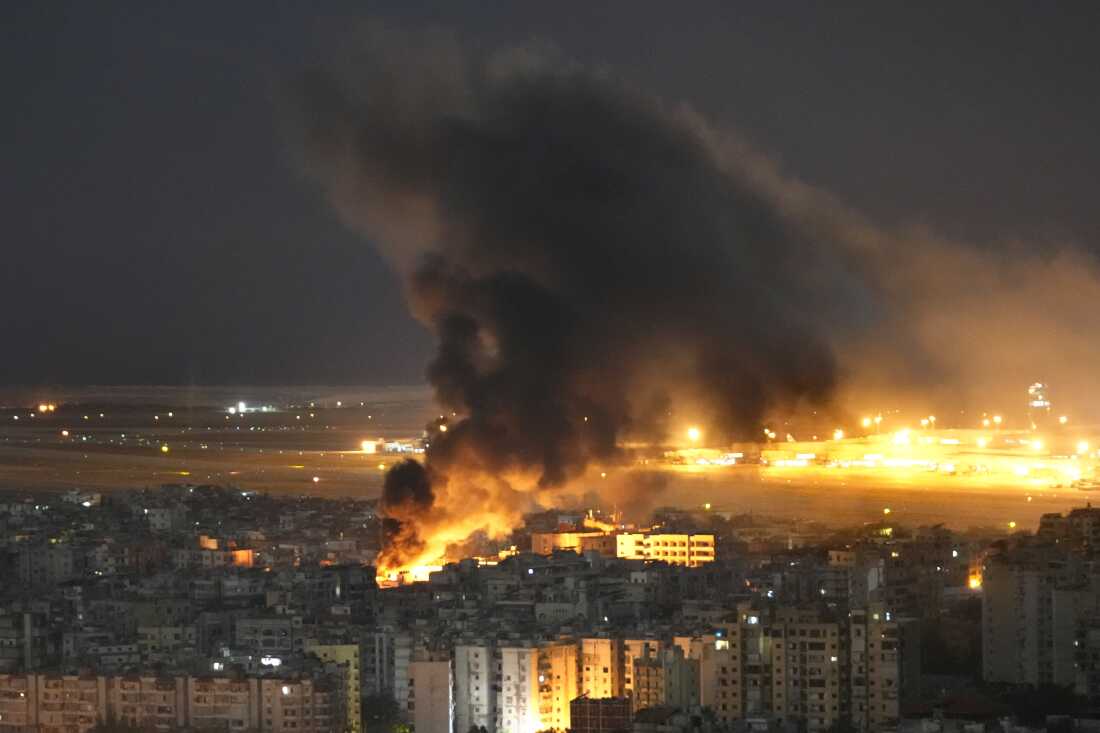
The humanitarian situation in Lebanon has reached a critical tipping point as Israeli military operations intensify across the nation. Over the past 48 hours, at least 45 people have been killed and more than 100 wounded, according to data released by the Lebanese Ministry of Public Health. The strikes, which have spanned from the capital, Beirut, to the eastern region of Baalbek and the southern districts, have left a trail of destruction and widespread panic.
Recent reports from the Lebanese National News Agency (NNA) detail specific strikes in the Adloun area near Sidon and the Tyre district, where multiple casualties were confirmed. Further south, the bombardment has extended to the outskirts of towns such as Chihine and Marwahin, while aerial raids in the Jezzine district have caused significant structural damage to residential neighborhoods, shattering windows and compromising the integrity of homes.
Medical Infrastructure Targeted
Concerns regarding the protection of civilian infrastructure reached a new peak following an attack on the Sheikh Ragheb Harb University Hospital in Toul. The facility, located on the outskirts of Nabatieh, sustained significant damage after an Israeli strike hit an adjacent building. Hospital management reported that the intensive care unit was among the areas affected, leading officials to condemn the act as a flagrant violation of international law. The incident has reignited global debates regarding the safety of medical personnel and facilities in active conflict zones.
Displacement and Regional Fallout
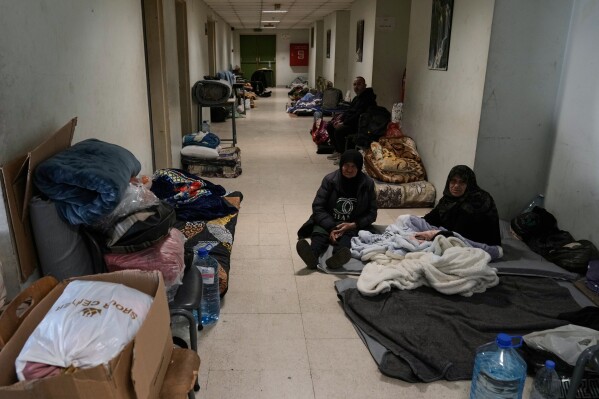
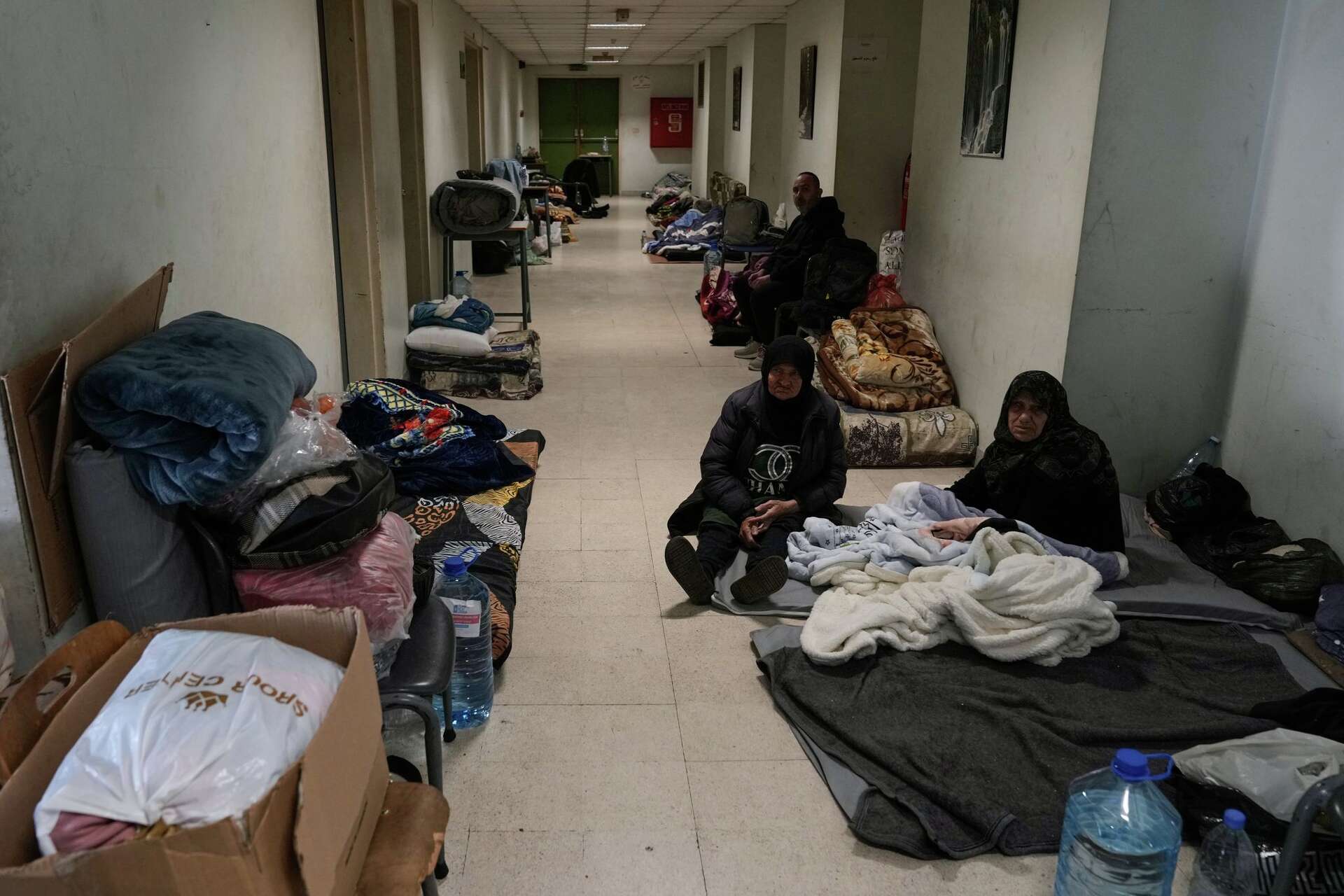
The United Nations has issued a stark warning regarding the scope of the displacement crisis, estimating that more than one million people have been forced to flee their homes. According to UN data, children account for nearly one-third of this displaced population, underscoring the severe impact of the conflict on the most vulnerable. Since March 2, Lebanese authorities report that at least 968 people have been killed, with the World Health Organization noting that over 100 of these fatalities were children.
On the front lines, the conflict has evolved into a high-intensity battle. Hezbollah has claimed significant resistance, reporting the destruction of six Israeli Merkava tanks during an attempted ground advance into the town of Taybeh.
International Diplomatic Efforts
As the violence persists, international actors are scrambling to find a path toward de-escalation. French Foreign Minister Jean-Noel Barrot is scheduled to arrive in Lebanon on Thursday to convey France’s solidarity with the Lebanese people. His itinerary includes high-level meetings with Lebanese leadership, including Prime Minister Nawaf Salam and Parliament Speaker Nabih Berri. In a statement, the French Ministry for Europe and Foreign Affairs expressed that the Lebanese people have been “dragged into a war they didn’t choose.”
Simultaneously, the European Union has issued a formal call for Israel to halt its military operations. An EU spokesperson emphasized the bloc’s deep concern over the humanitarian consequences of the offensive, warning that the current trajectory risks triggering a prolonged and destabilizing conflict in the Middle East. Despite these appeals, the intensity of the fighting shows little sign of abating as both sides remain locked in a deepening cycle of military confrontation.