A Diplomatic Shuttle Amid Rising Tensions
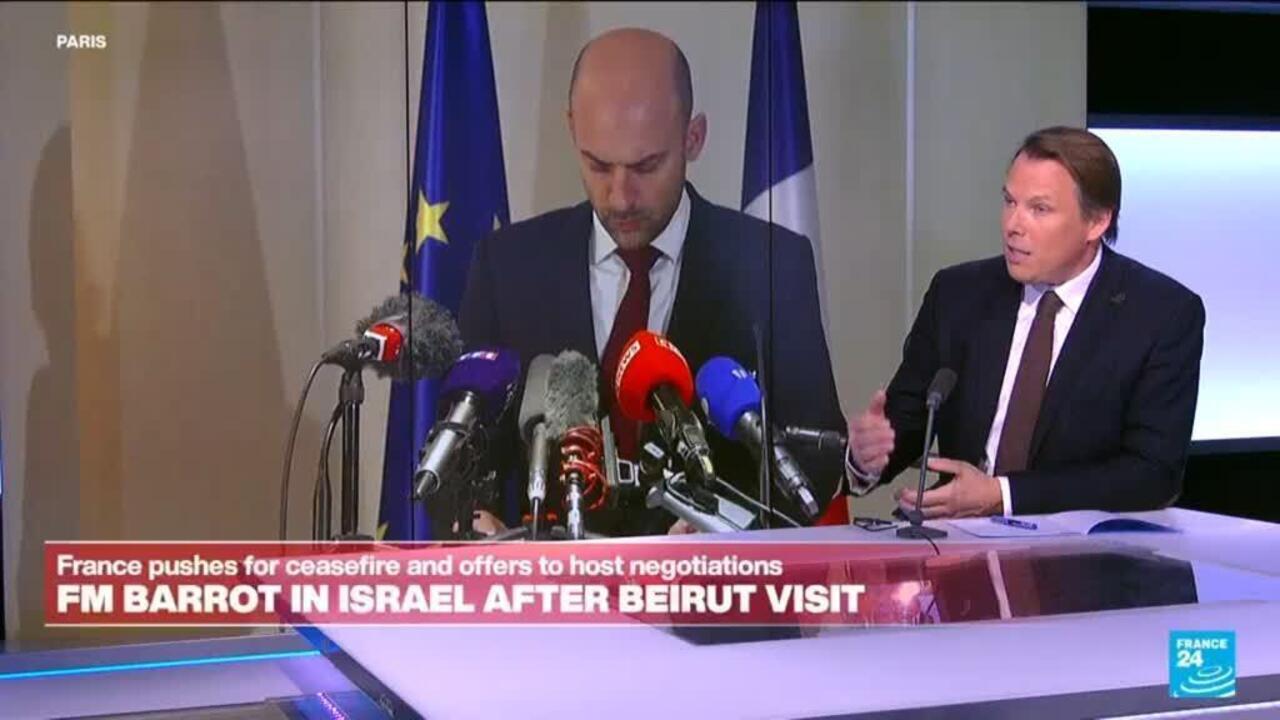
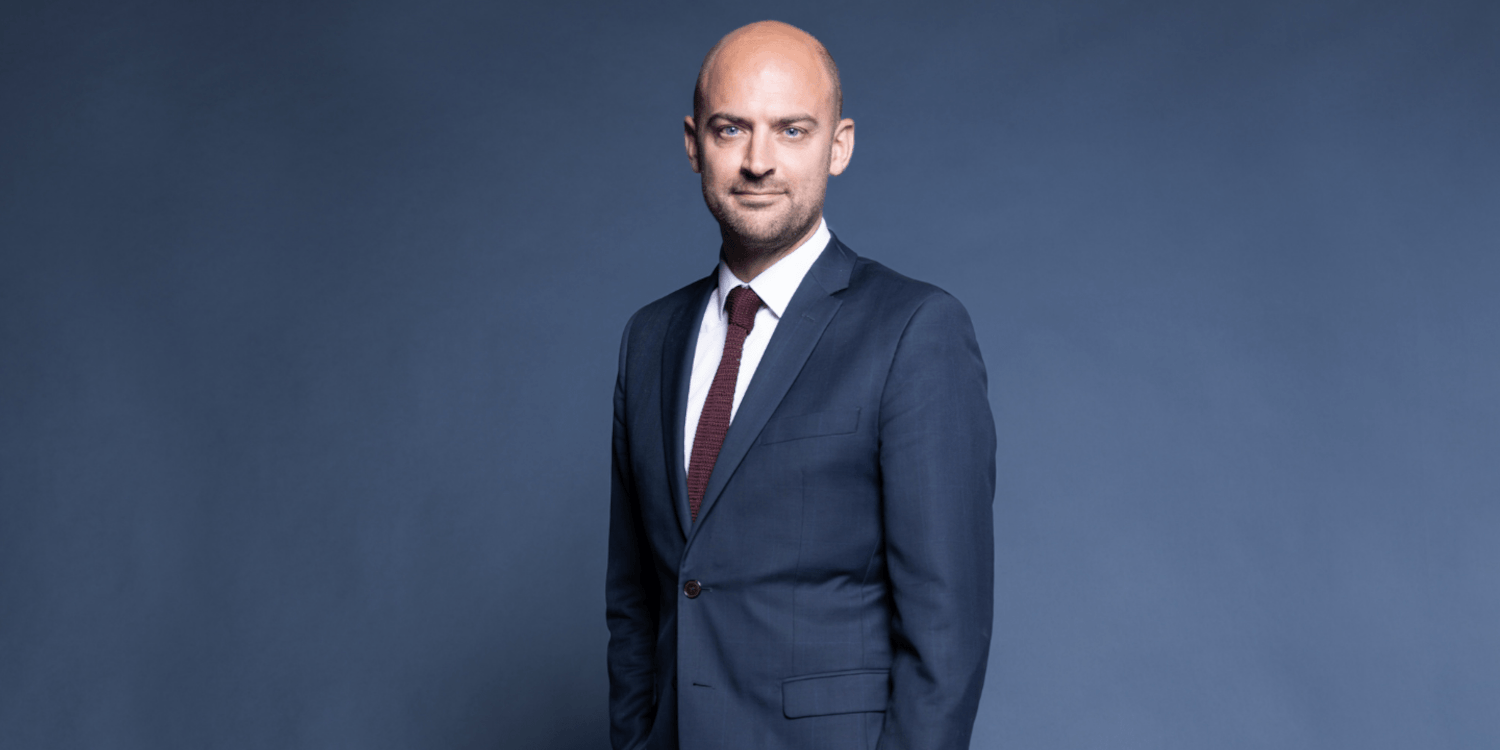
French Foreign Minister Jean-Noël Barrot is set to arrive in Israel on Friday for an unscheduled diplomatic visit, marking a critical phase in France’s ongoing efforts to stabilize the Middle East. The trip follows a high-level visit to Beirut on Thursday, where Barrot engaged with key Lebanese political figures, including President Joseph Aoun, Prime Minister Nawaf Salam, and Parliament Speaker Nabih Berri.
As the region grapples with the fallout of intensifying conflicts, the French Ministry of Foreign Affairs stated that the primary objective of these consultations is to discuss regional security, expedite humanitarian aid, and explore viable pathways to de-escalate the hostilities currently gripping the Levant.
The Lebanese Perspective and Internal Hurdles
During his time in Beirut, Minister Barrot underscored France’s historical commitment to Lebanon by visiting a local school currently serving as a shelter for those displaced by the ongoing conflict. His discussions with Lebanese leadership reflected a growing urgency to find a political exit from the current cycle of violence, which has seen Israeli airstrikes hitting targets within Lebanon in response to Hezbollah’s fire since early March.
Reports indicate that President Aoun has expressed a willingness to engage in direct negotiations with Israel. However, the path to such talks remains fraught with difficulty. Sources familiar with the situation suggest that the Israeli government remains skeptical of these overtures, viewing them as insufficient. While Israel shares the international desire to see the Iran-backed Hezbollah disarmed, it remains wary of the political instability such a move could trigger within Lebanon, potentially risking a domestic civil war.
International Mediation and Future Prospects
France, acting in tandem with the United States, has positioned itself as a lead mediator in the conflict. Prior to his arrival in Beirut, Minister Barrot held discussions with U.S. Secretary of State Marco Rubio, signaling a coordinated effort between Paris and Washington to align their diplomatic strategies.
Despite this partnership, the path to a consensus is not without friction. Diplomats have noted that France recently introduced a set of counter-proposals to existing U.S. frameworks aimed at ending the conflict. While the U.S. response to these suggestions has reportedly been lukewarm, the importance of maintaining a unified international front remains paramount.
"We call on the Israeli and Lebanese representatives to conduct constructive negotiations with a view to finding a lasting political solution, and we are ready, if necessary, to welcome them," foreign ministry spokesperson Pascal Confavreux stated during a press briefing on Thursday.
As Minister Barrot transitions from his meetings in Beirut to his upcoming discussions in Israel, the international community remains watchful. Whether these diplomatic efforts can bridge the gap between the immediate security concerns of Israel and the fragile political reality of Lebanon remains the central question of the week.