A New Diplomatic Calculus
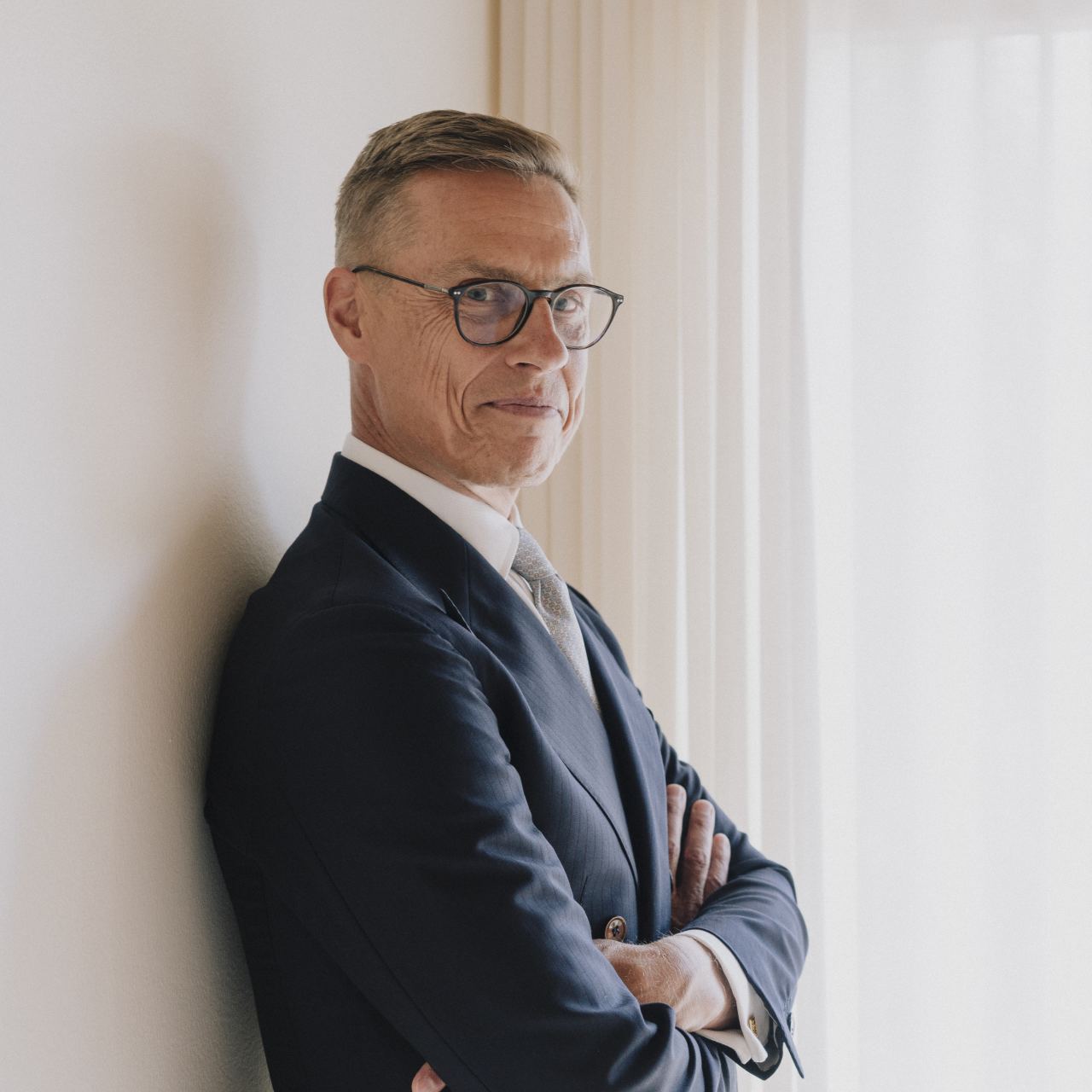
In a move that highlights the shifting geopolitical landscape, Finnish President Alexander Stubb has suggested that Europe could offer tangible support to the United States in the Middle East, provided that Washington guarantees its continued backing for Ukraine. During a recent appearance at London’s Chatham House, Stubb posited that a "deal-making" approach with President Donald Trump could be the key to resolving two of the world’s most pressing security crises simultaneously.
Stubb’s proposal centers on the Strait of Hormuz, a critical global oil artery that has become a flashpoint in the escalating tensions between the U.S. and Iran. With Iran disrupting shipping in retaliation to military actions, the security of this route has become a top priority for Washington. Stubb suggested that European nations could step in to provide military assets to secure these waters, effectively alleviating the pressure on the U.S. Navy.
The Price of Cooperation
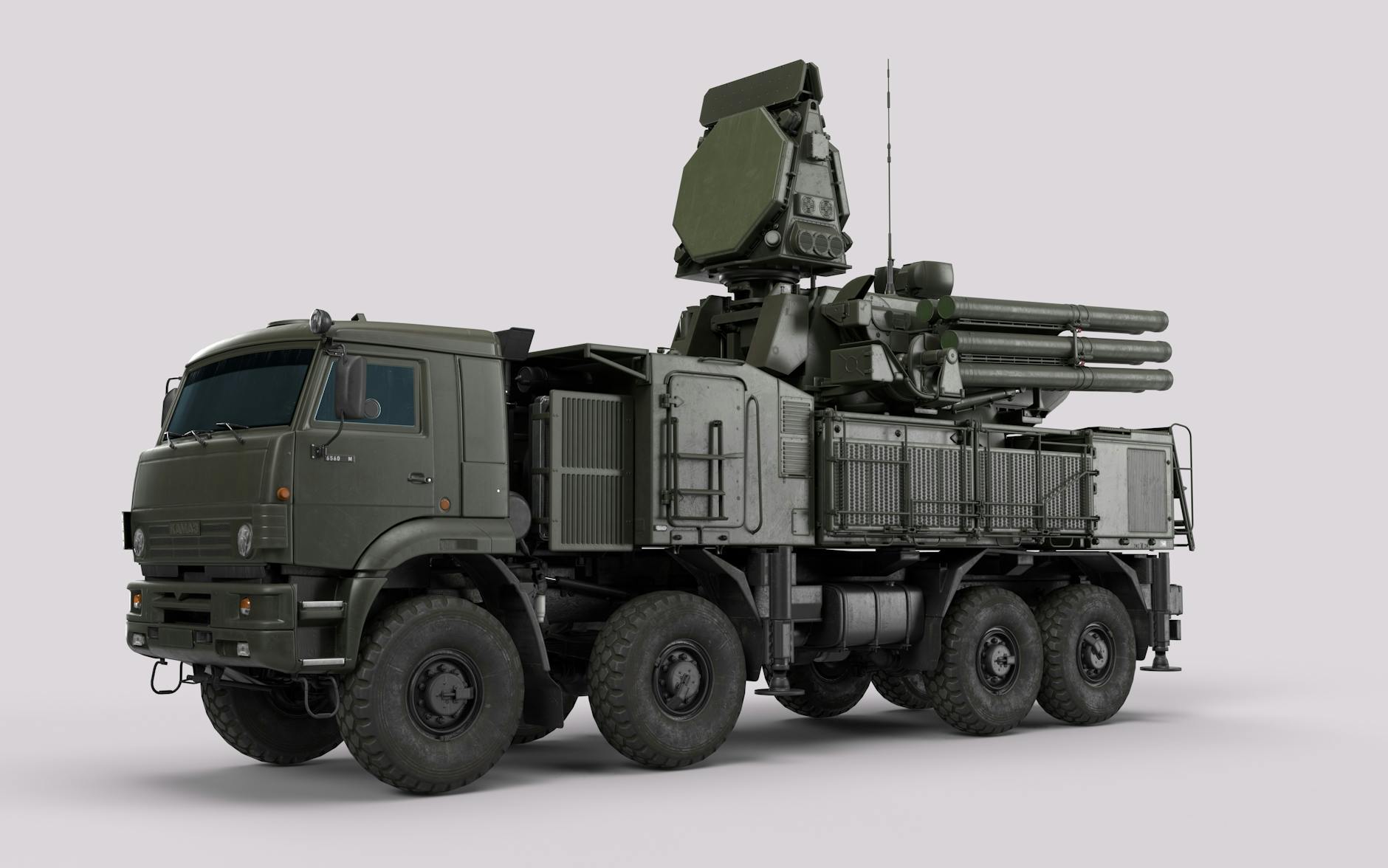
However, this offer of assistance comes with a clear condition: the United States must provide the necessary aid for Ukraine to secure an acceptable peace agreement with Russia. European leaders are increasingly concerned that the U.S. focus on the Middle East is diverting essential resources—particularly air defense interceptors—away from Kyiv.
As reported byThe TelegraphandPolitico, the urgency of this proposal stems from the fear that the longer the conflict in the Middle East persists, the more constrained Ukraine’s defensive capabilities become. The diversion of interceptor missiles, which are currently being utilized to counter Iranian-backed threats, leaves Ukrainian cities vulnerable to Russian ballistic missile barrages.
Economic and Strategic Risks
President Stubb expressed deep concern over the broader economic implications of the current global conflict. He noted that the instability in the Gulf has caused a spike in global energy prices, which inadvertently bolsters the Russian war machine. By easing the pressure on the Russian oil industry, these price fluctuations are providing Vladimir Putin with the revenue needed to sustain his military operations, a trend that Stubb warned is already leading to a recovery in the Russian economy.
Furthermore, there is a mounting fear in European capitals that peace talks regarding Ukraine are approaching a critical juncture. Stubb warned that without robust American support, Kyiv might be forced into an unfavorable settlement that involves territorial concessions. He noted that if negotiations fail, Europe could find itself solely responsible for supporting Ukraine—a prospect that would require a massive, immediate escalation in European intelligence and weaponry contributions.
Navigating the Trump Relationship
Stubb, who has previously met with Donald Trump for extensive discussions, maintains a pragmatic outlook on his ability to influence the U.S. president. Acknowledging the transactional nature of Trump’s foreign policy, Stubb emphasized that he has "no illusions" about his ability to sway the White House.
"If I get one idea out of 10 on Ukraine, I think it's good," Stubb remarked. Despite his humble assessment, the Finnish leader’s willingness to leverage European military cooperation in the Middle East represents a significant pivot in how Western allies are attempting to navigate the current administration's priorities. As the geopolitical situation remains fluid, whether this "deal-making" strategy can bridge the gap between U.S. interests in the Gulf and European security needs in the East remains to be seen.