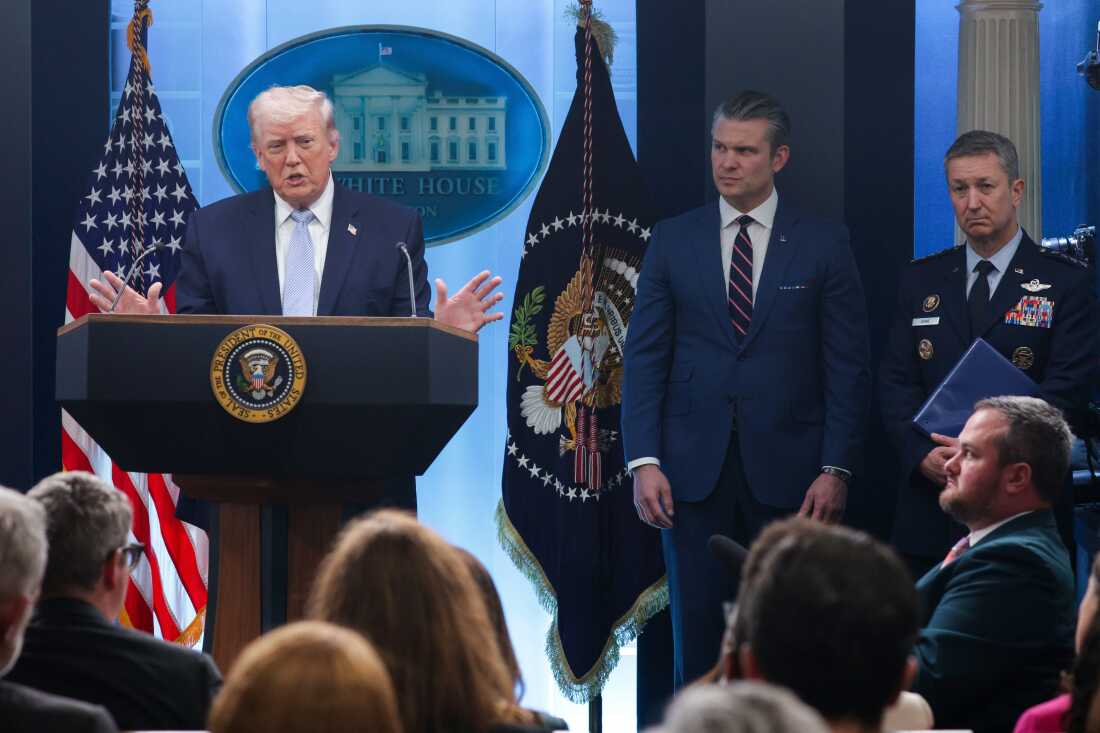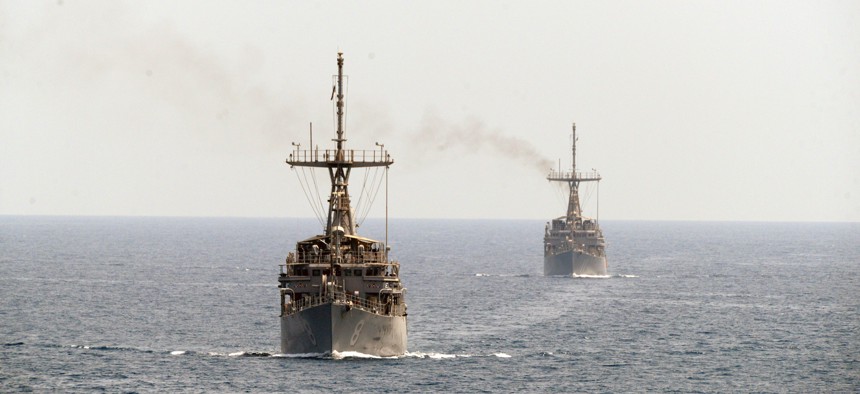
US President Donald Trump has issued a direct ultimatum to Tehran, threatening to destroy Iran’s power plants and bridges if the Strait of Hormuz is not reopened by 8pm Eastern Time on Tuesday, April 7. The deadline, which corresponds to midnight GMT on April 8, marks a significant escalation in the ongoing conflict between the two nations.
Trump has previously threatened that Iran would “lose every power plant and every other plant they have in the whole country” if the vital waterway remained closed. He first issued a similar warning on March 21, threatening to attack “the biggest one first” if the strait was not reopened within 48 hours. While the president has since extended the deadline multiple times, citing alleged progress in back-channel negotiations, Iran continues to deny that any direct talks are taking place.
The conflict has already resulted in significant physical damage. Over the weekend, a joint US-Israeli strike hit the B1 bridge in Karaj, west of Tehran. The structure, described as the tallest bridge in the Middle East, sustained major damage just before its scheduled inauguration. Legal experts cited by Al Jazeera have warned that targeting civilian infrastructure of this nature may constitute “collective punishment,” a violation of the laws of war.
The role of AI in target acquisition
The rapid pace of the US military campaign has been attributed by some analysts to the use of Project Maven, an artificial intelligence program designed to accelerate target selection. Originally developed with Google, the project faced internal backlash in 2018 when thousands of employees signed a protest letter, leading the company to decline contract renewals. The Pentagon has since turned to other firms, including Palantir, to provide the AI framework for the operation.
Palantir CEO Alex Karp has framed the technology as a geopolitical necessity, arguing that the ability to reduce the “chain of attack” to mere seconds renders an adversary obsolete. While the Pentagon has refused to comment on the specific performance of Maven in the current conflict, the sustained intensity of the strikes is notable. During the first 24 hours of the operation dubbed “Epic Fury,” which began February 28, US forces reportedly struck over 1,000 targets, including a school housed in a former military building.
The closure of the Strait of Hormuz—which previously facilitated the daily transport of 20 million barrels of oil—has caused global Brent crude prices to soar to nearly $120 a barrel. With Gulf producers forced to cut output, European nations are scrambling to find alternative energy sources. Many are turning to Libya, where factional disputes between the Tripoli-based Government of National Unity and eastern military commander Khalifa Haftar have complicated energy security. As the deadline approaches, reports from Tehran indicate that strikes have been heard near Mehrabad International Airport, signaling that the window for a negotiated resolution is rapidly closing.