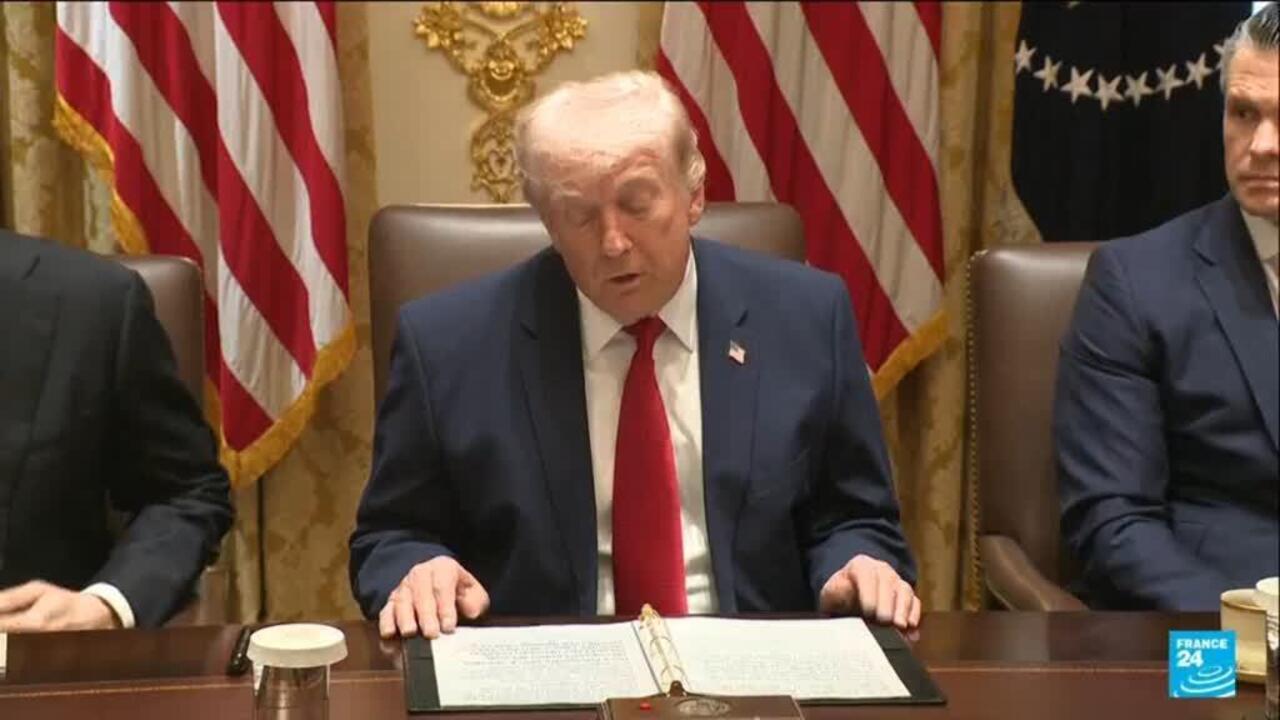
US President Donald Trump criticized NATO allies on Thursday during a cabinet meeting. He accused the alliance of failing to secure the Strait of Hormuz against regional threats. This public rebuke signals deepening disagreements over defense burden sharing in the Middle East. The incident occurred while global markets remained sensitive to oil supply risks.
Trump stated, "I'm disappointed in NATO, because this was a test for NATO." The comment came as reported by FRANCE 24 correspondent Carys Garland. It marks a rare public expression of frustration from the White House toward European partners. Sources confirm the meeting took place at the White House executive offices.
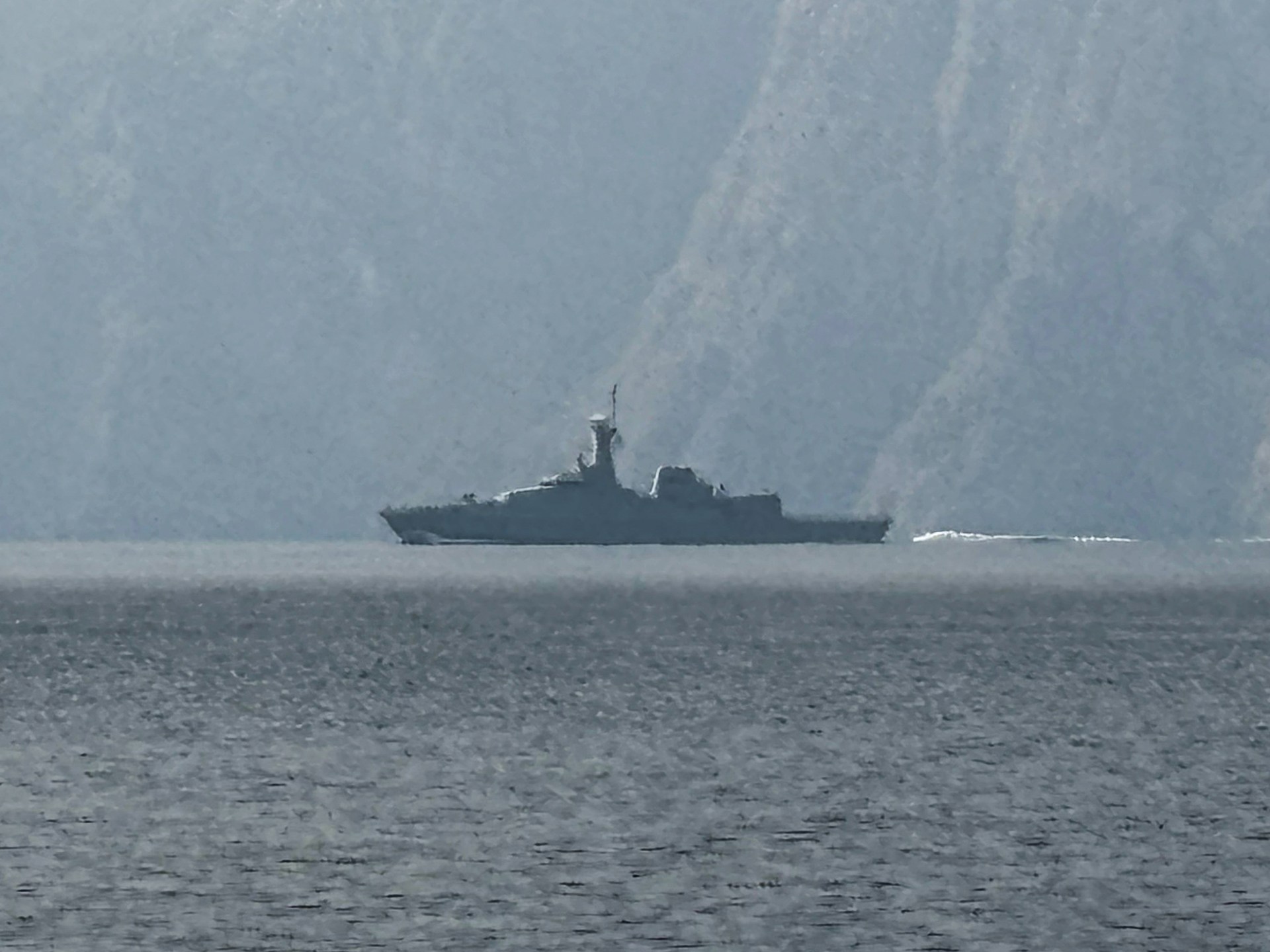
The waterway carries roughly 20% of global crude oil and liquefied natural gas shipments daily. Any disruption creates immediate ripple effects for international energy markets and supply chains. Security here remains a priority for major consuming nations across Europe and Asia. Stability in the region is crucial for maintaining global economic momentum.
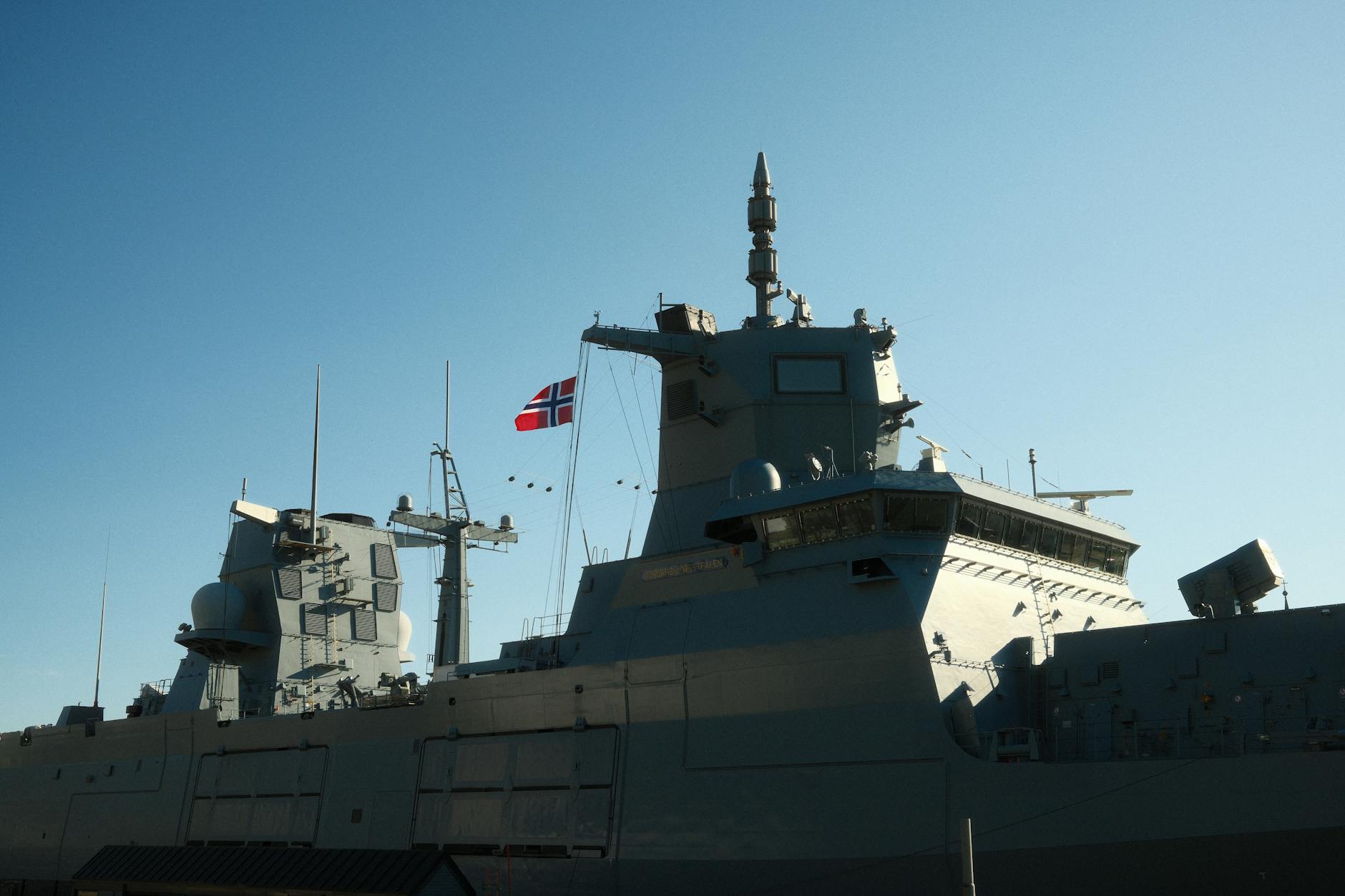
European capitals reportedly rejected the appeal for joint naval operations in the region. This refusal highlights differing strategic interests between Washington and key NATO members. London and Paris maintain independent security postures without direct integration with US forces. Bilateral agreements may replace collective defense mechanisms in the future.
Tensions escalate following threats from Iran regarding the closure of the maritime route. Tehran has previously warned of retaliation against vessels linked to regional adversaries. Washington seeks to deter aggression without escalating into a broader military conflict. Diplomatic channels remain the primary avenue for de-escalation efforts among regional actors.
Energy experts warn that a blockade could spike oil prices and fuel inflation. Global markets are monitoring the situation for potential supply chain interruptions. Future US policy changes may redefine security commitments to transatlantic partners. Investors will watch for shifts in troop deployments and diplomatic statements. Volatility could impact emerging markets dependent on imported fuel.