The recent surge in sharp statements emanating from Washington and Tehran paints a volatile picture on the international stage, raising concerns about a potential military confrontation. Public posturing often serves as a domestic political tool, yet the true measure of immediate risk lies in the operational status of diplomatic off-ramps.
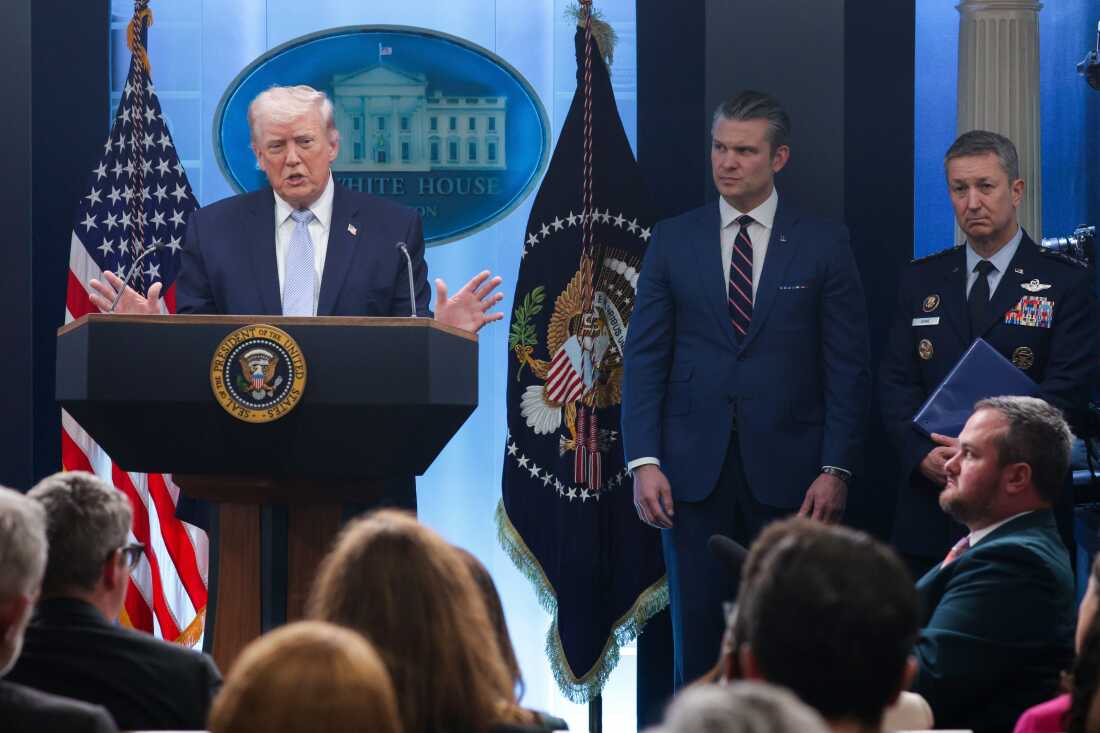
Former President Trump introduced a clear red line, threatening intervention should Iran continue its suppression of domestic dissent or resume significant steps in its nuclear enrichment program. While recent large-scale protests have reportedly subsided, the underlying economic grievances and political repression that fueled them remain significant internal pressures for the Iranian regime.
Of equal gravity is the nuclear dossier. Following alleged military actions against key Iranian nuclear installations by Israeli and U.S. forces in June, Tehran has maintained a stance of readiness to retaliate if provoked further. This posture translates directly into heightened regional military readiness and increased strategic uncertainty for global energy markets.
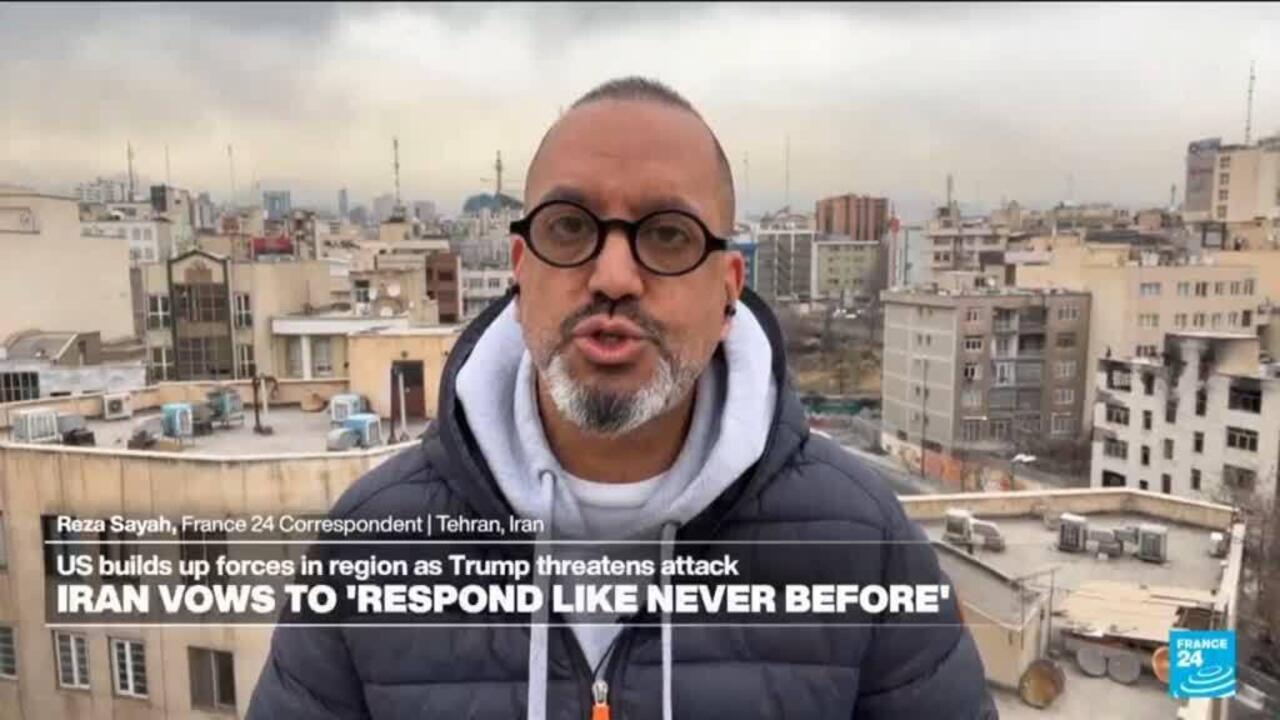
However, an objective assessment of the situation reveals a crucial counterpoint to the bellicose public discourse. According to reporting from Tehran, both the United States and Iran are actively utilizing established third-party channels to communicate sensitive information and de-escalate potential miscalculations.
These intermediary communications are vital in managing crises where direct contact is politically toxic or strategically unfeasible. They allow for the testing of propositions, the conveying of warnings, and the clarification of intent without formal, high-stakes bilateral engagement.
This parallel reality—public antagonism juxtaposed with private engagement—is characteristic of the enduring, deeply antagonistic yet interdependent relationship between the two nations. It suggests that neither side is currently prepared to accept the full strategic implications of open conflict.
For global markets, this dynamic creates a persistent risk premium. While backchannels suggest a desire to avoid immediate kinetic conflict, the underlying friction points—nuclear proliferation, regional proxy conflicts, and sanctions—guarantee continued instability.
Source attribution: This analysis synthesizes recent reporting, including observations from Reza Sayah speaking to FRANCE 24 from Tehran, regarding ongoing diplomatic realities amidst heightened political tension.