Peru’s presidential election remains undecided after logistical failures prevented over 60,000 citizens from casting their ballots, forcing a continuation of the process on Monday to determine who will face Keiko Fujimori in a June 7 runoff.
Exit polls show Fujimori leading the field, though the race for the second spot remains a tight contest between ultraconservative Rafael López Aliaga, centrist Jorge Nieto, and right-wing candidate Ricardo Belmont. Data from Ipsos and Datum place Fujimori between 16.5% and 16.6%, while the remaining contenders are separated by narrow margins.
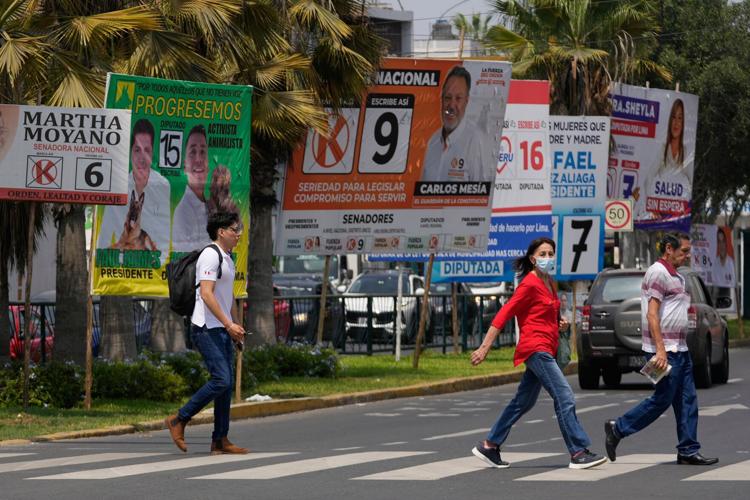
Political scientist Gilberto Aranda views the current instability as a symptom of a deeply fractured system defined by a record-breaking 35 presidential candidates. “The case of Peru highlights the unprecedented multiplication of 35 presidential candidacies, which presages a high level of parliamentary fragmentation,” Aranda said. He argues that the country’s political class has failed to produce consistent majorities, leaving the electorate disillusioned.
A polarized path to the runoff
The campaign cycle has been dominated by a negative consensus centered on corruption, security, and allegations of legislative misconduct. Aranda notes that this climate of distrust has pushed voters toward punitive solutions rather than policy-based debate.
Rafael López Aliaga has capitalized on this frustration by positioning himself as an outsider, drawing comparisons to the American MAGA movement. “He is a religious conservative who sought his enemy in the progressive left—called ‘caviar’ in Peru—and the centrist establishment,” Aranda explained. López Aliaga has already attempted to preemptively delegitimize the election by alleging fraud, a tactic Aranda warns could spark political disputes that bypass institutional norms.
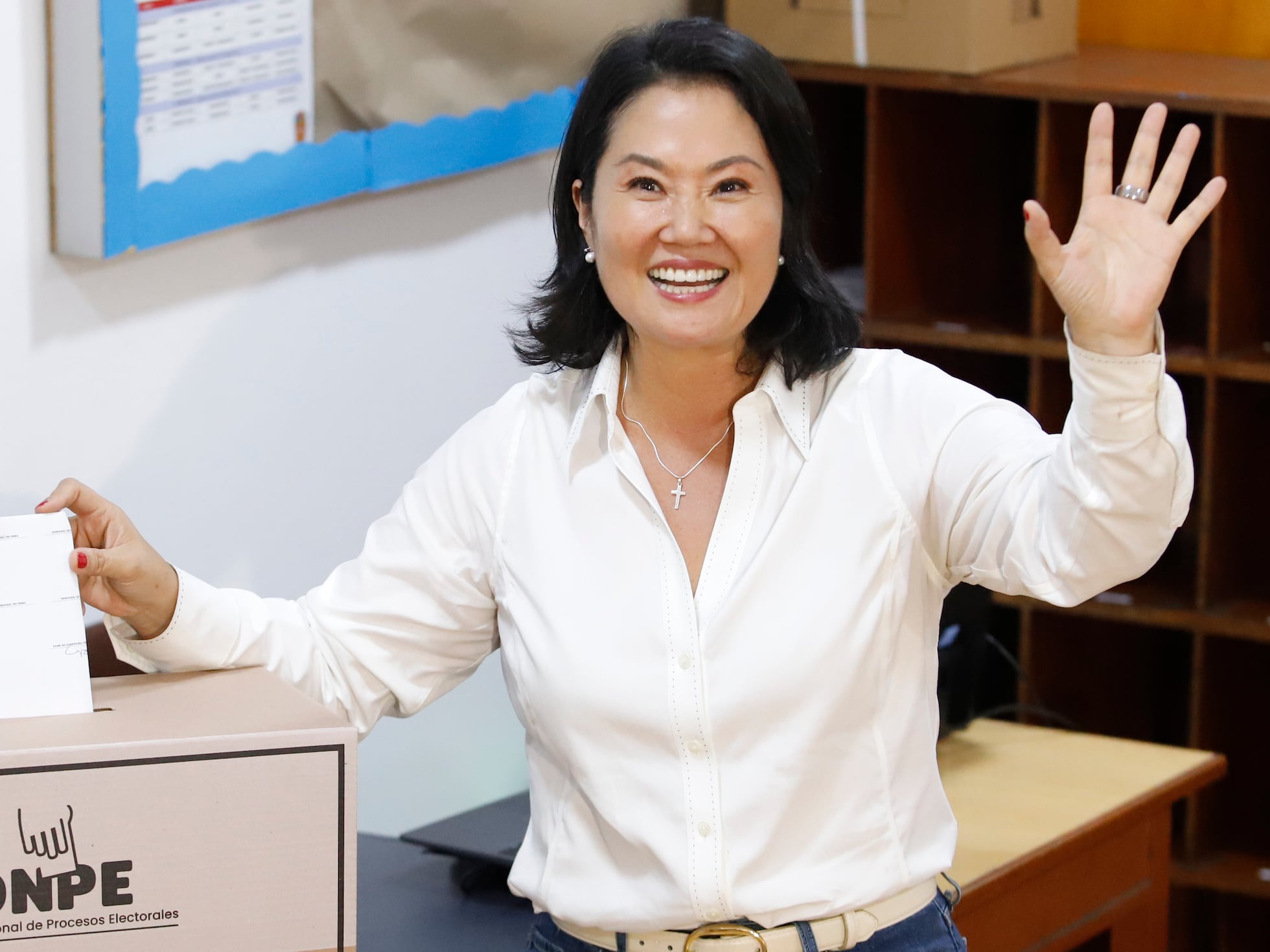
Keiko Fujimori, meanwhile, is framing her candidacy as a return to the political model of her father, former President Alberto Fujimori. Despite the controversy surrounding her family name, she has adopted rhetoric that aligns with regional right-wing movements, focusing on security, migration, and economic liberalization. During her final campaign rally, she explicitly appealed to this base, declaring, “What they are asking for is a Fujimori—here I am!”
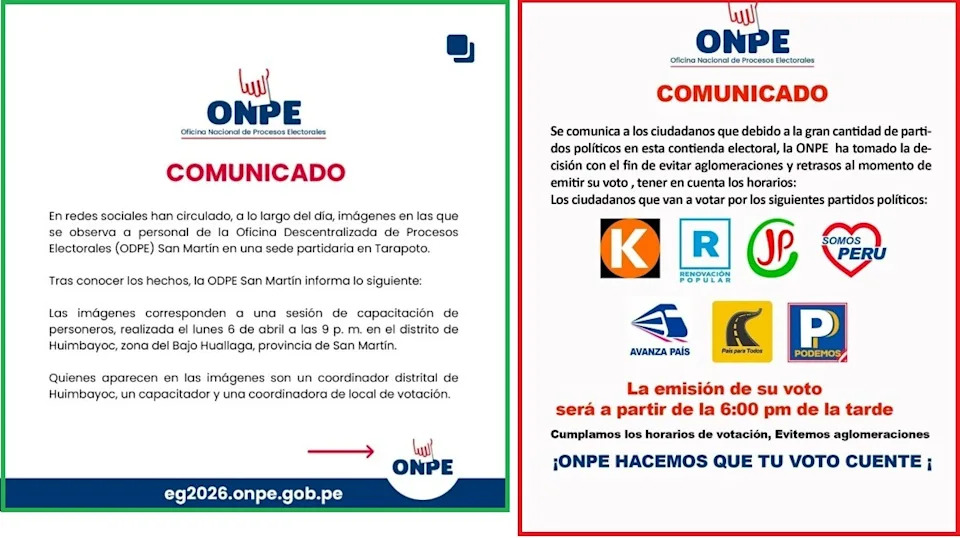
The integrity of the election itself is now under scrutiny. Beyond the 60,000 voters unable to cast ballots in Lima and the United States due to missing materials, the potential for a razor-thin margin creates a volatile environment. Aranda warns that if the vote count remains close, the logistical errors could transform into widespread accusations of systemic fraud against the national electoral office, the ONPE.
As the country prepares for the final stage of the election, Aranda predicts that the runoff will only deepen existing divisions. He suggests that the contest will not resolve the nation’s political crisis but rather reignite historical conflicts between anti-fujimorista and anti-leftist factions.