The Israeli military has issued expanded evacuation orders for residents in southern Lebanon, mandating immediate relocation north of the Zahrani River. This directive affects one million individuals, representing a significant escalation in the ongoing conflict. Displaced civilians face potential danger if they remain in the designated military activity zones. The timeline for compliance remains unclear to many local residents.
According to the Israeli spokesperson, those who fail to comply may endanger their lives due to military operations. The forced evacuation zone now extends from the Litani River to areas approximately 40 kilometres north of the border. This expansion covers roughly 14% of Lebanon’s total territory. The military has increased patrols along the new perimeter since the announcement. Security protocols have been tightened in the surrounding areas.
Data from the Norwegian Refugee Council indicates the orders impact more than 1,470 square kilometres of land. The directive affects over 100 towns and villages across the affected region. Officials state the goal is to establish a security buffer zone following intense fighting. Military officials assert the buffer zone is necessary for national security concerns.
The humanitarian impact has been devastating for the local population within just two weeks. Data from the International Organization for Migration indicates that 1,049,328 individuals have been registered as displaced. Approximately 18% of Lebanon’s population has been forced to leave their homes recently. Medical aid groups report shortages of essential supplies for the displaced.
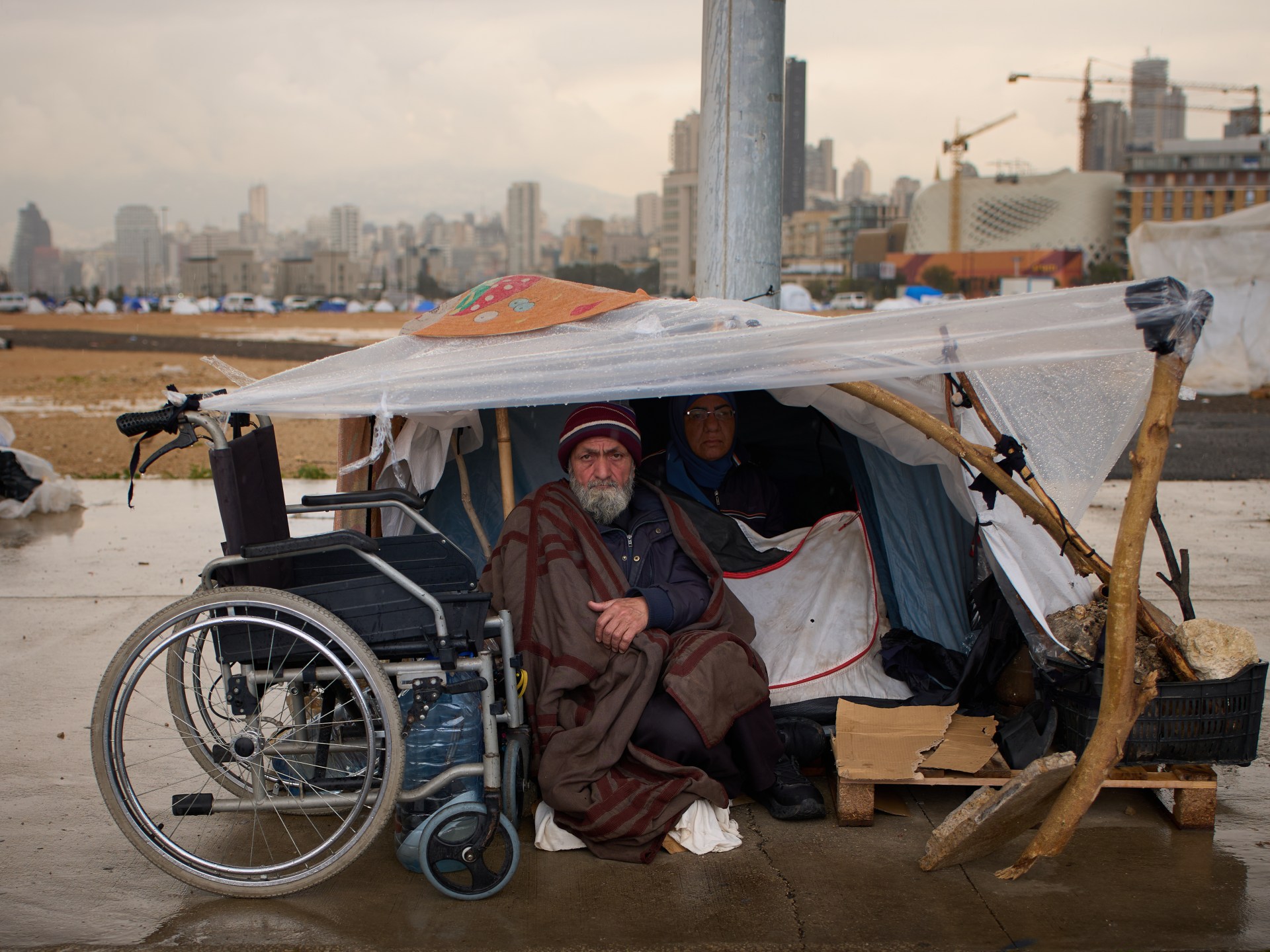
As shelter capacities are overwhelmed, many families have no choice but to sleep on streets or in vehicles. The International Organization for Migration reports 132,742 individuals residing in overcrowded collective shelters. Public spaces now serve as temporary housing for thousands of vulnerable families. Local authorities struggle to provide basic sanitation for the growing number of refugees.
The crisis has prompted a significant exodus from Lebanon into neighboring countries. In the past two weeks, more than 250,000 people have fled the country, marking a 40% increase since late February. By March 17, more than 125,000 individuals had crossed into Syria. This migration wave places additional strain on regional resources.
While the majority of refugees are Syrian nationals, approximately seven thousand Lebanese citizens have also fled the region. Many face significant obstacles attempting to leave due to infrastructure destruction. Israel has destroyed bridges across the Litani River, cutting off vital infrastructure. This isolation prevents access to aid and medical services in the north.
This destruction of bridges complicates the threatened civilians’ efforts to flee to safer areas. The action effectively isolates southern Lebanon from the rest of the country. Analysts suggest this move aims to prevent rapid counter-movements by military forces. Infrastructure damage could hinder post-conflict reconstruction efforts significantly.
Regional stability remains uncertain as the conflict continues to intensify in the border areas. International observers are monitoring the situation closely for potential violations of humanitarian law. Diplomatic efforts to de-escalate the tension have reportedly stalled during this period. Continued fighting may trigger further regional involvement from external powers.
Future developments will depend on whether diplomatic channels can secure safe passage for civilians. The international community is likely to increase pressure on all parties to protect vulnerable populations. Continued displacement could destabilize the broader Middle East region significantly. Economic consequences will also ripple through the global market. Investors are closely watching the stability of the region.