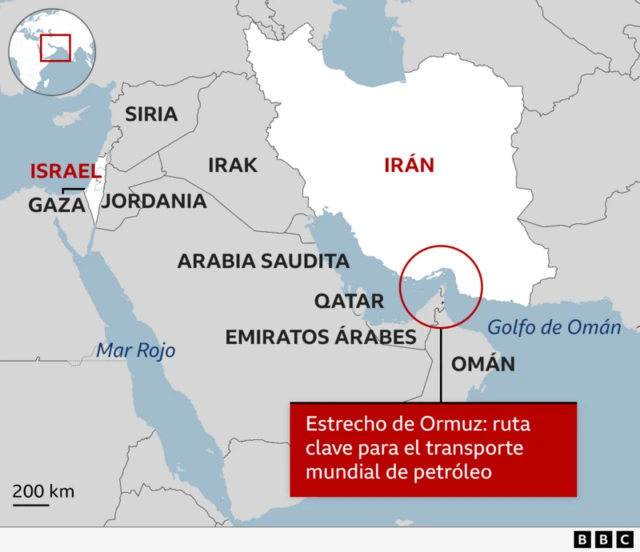
The Iranian Armed Forces have condemned a United States announcement to blockade the Strait of Hormuz as an act of 'piracy' following the collapse of peace negotiations in Pakistan.
Ebrahim Zolfaqari, spokesperson for the Jatam al-Anbiya unified combat command, stated that the imposition of restrictions on vessel movement in international waters by the U.S. is an illegal act.
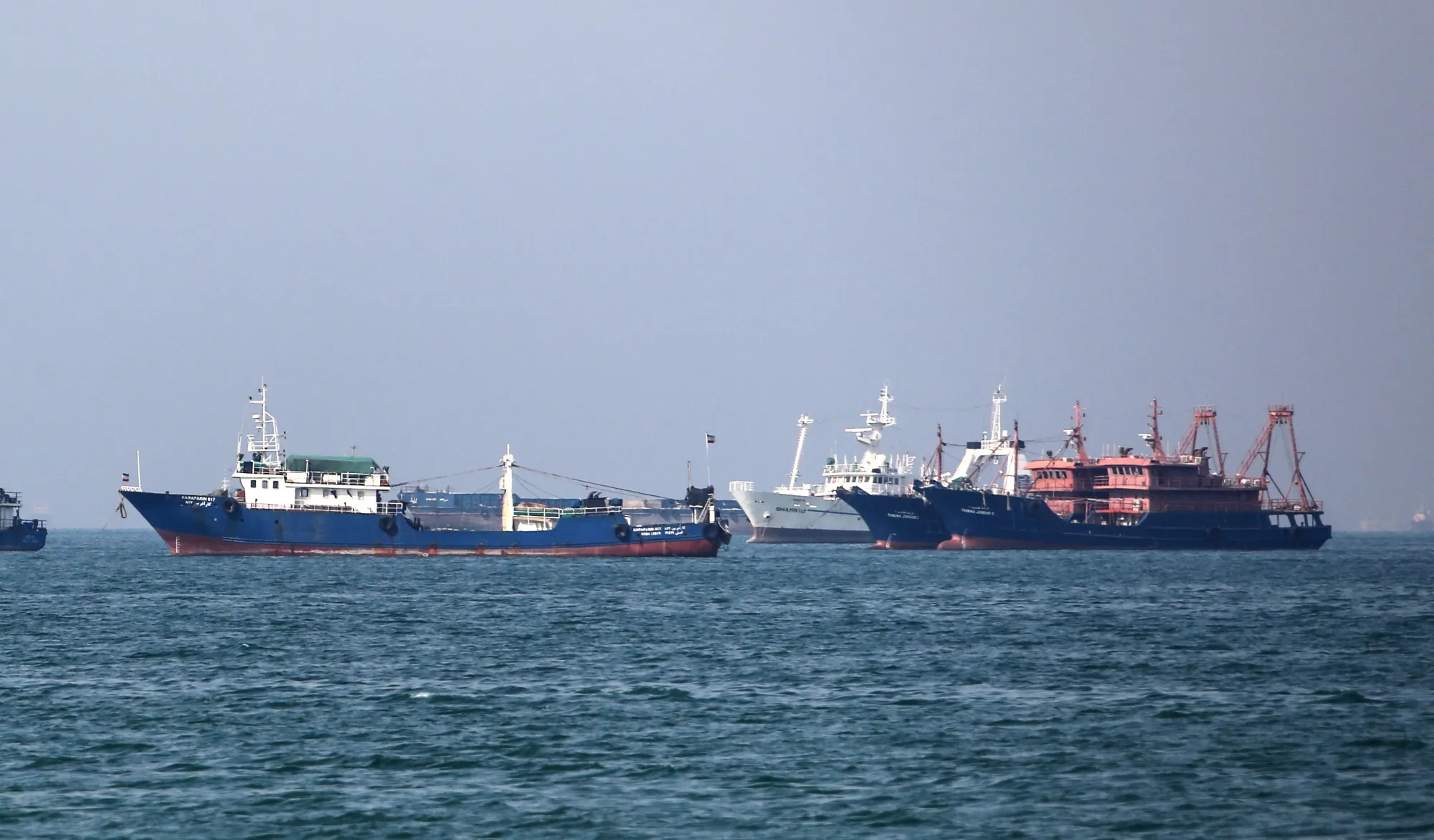
"The security of the ports in the Persian Gulf and the Gulf of Oman is for all, or for no one," Zolfaqari said, according to the Iranian state television, IRIB.
He warned that if Iranian ports face threats, no port in the region will be safe. The military official added that Iran considers the defense of its legal rights and territorial waters a "natural and legal duty."
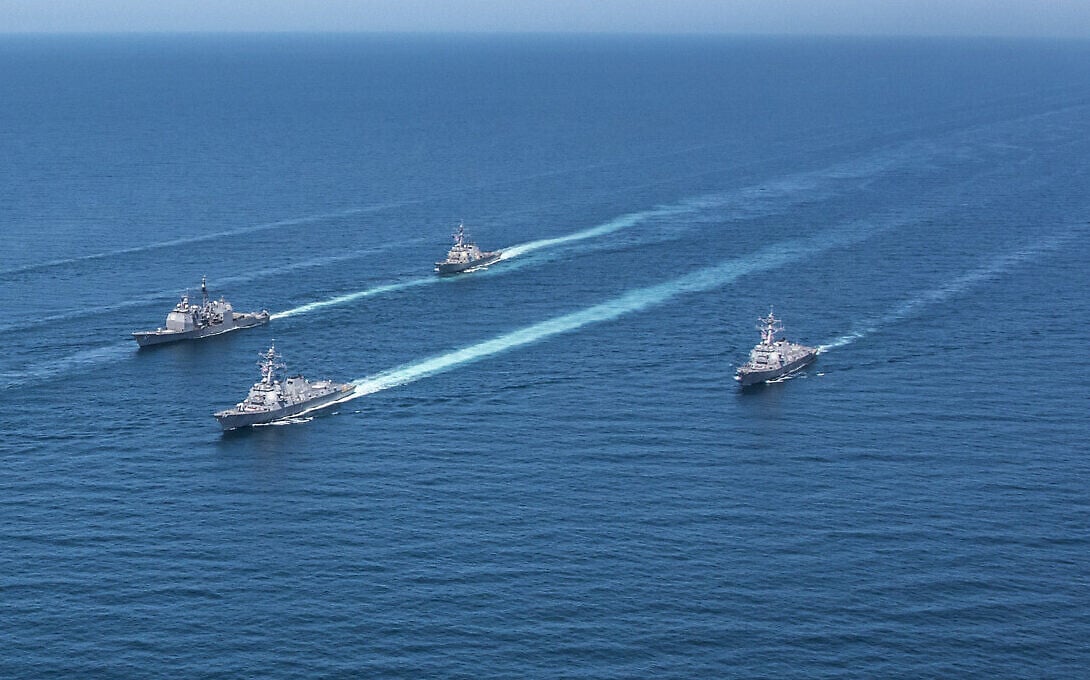
US naval blockade announced
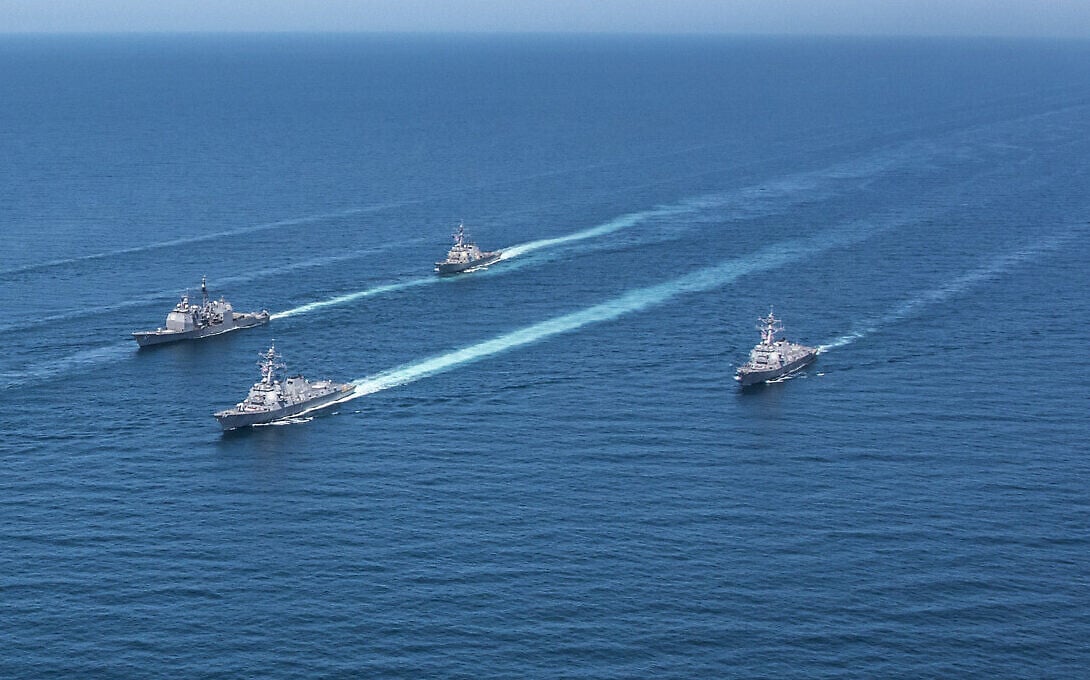
U.S. President Donald Trump announced the blockade after Washington and Tehran concluded their peace talks in Islamabad without a deal. The U.S. Navy intends to intercept any vessel in international waters that has paid Iran for passage through the strategic waterway.
U.S. Central Command (CENTCOM) specified that the blockade will apply "impartially" to all ships entering or exiting Iranian ports and coastal areas, including those in the Persian Gulf and the Gulf of Oman.
Iranian Foreign Minister Abbas Araqchi expressed frustration with the sudden change in diplomatic conditions. He noted that Tehran approached the Islamabad negotiations in good faith to end the conflict, only to face new "rules of the game."
The failed talks occurred days after a two-week ceasefire between the U.S. and Iran was established, a truce recently destabilized by Israeli attacks in Lebanon. The primary goal of the Islamabad summit was to finalize a permanent end to the military offensive launched on February 28 by U.S. and Israeli forces against Iranian territory.
Zolfaqari asserted that vessels linked to enemies have no right to pass through the Strait of Hormuz. He stated that Iran will implement a permanent mechanism to control the waterway to counter ongoing threats to its national security.