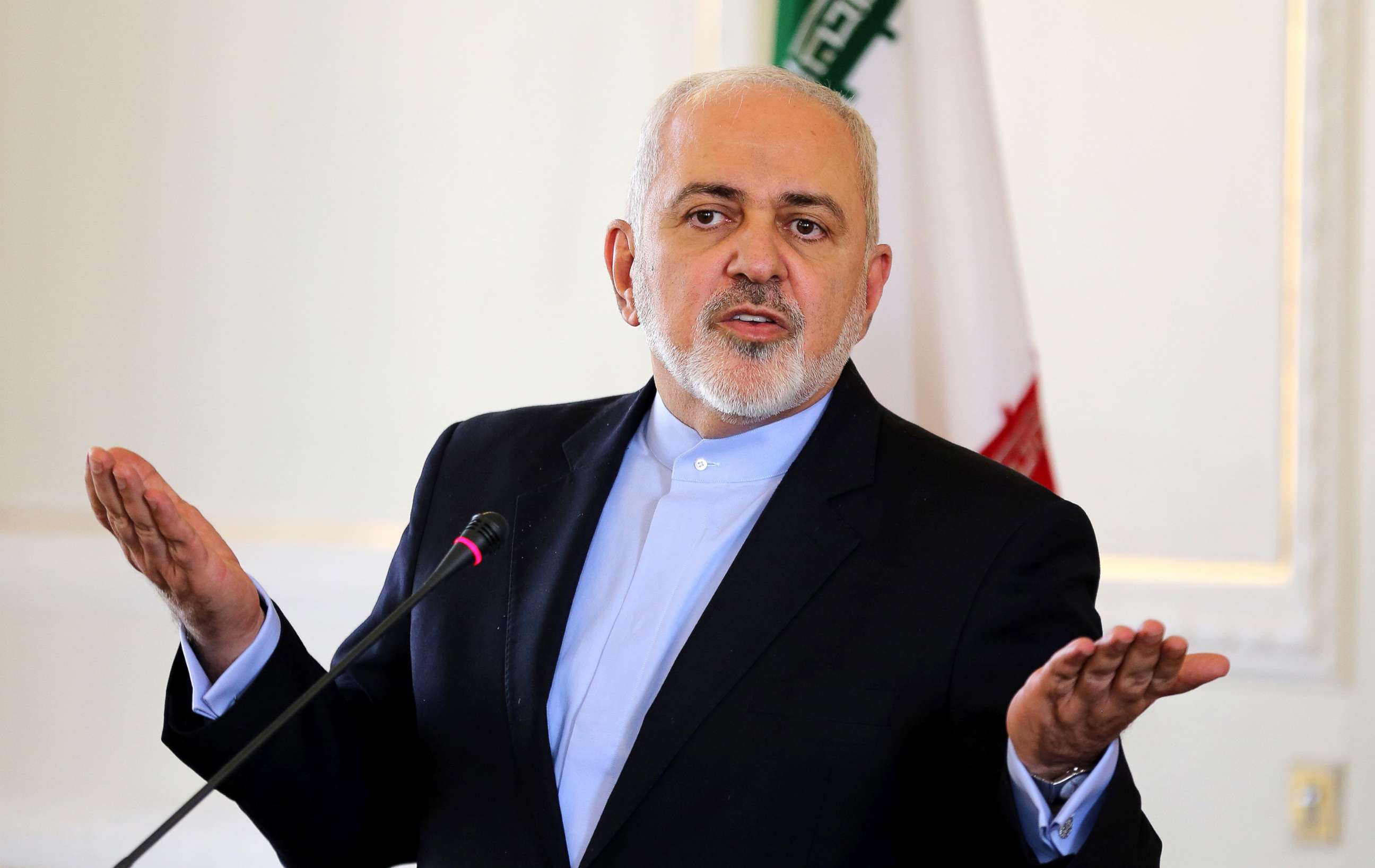
Former Iranian Foreign Minister Mohammad Javad Zarif proposed a comprehensive roadmap on Friday to end the ongoing war between Iran and a U.S.-Israeli coalition. Writing in Foreign Affairs, Zarif argued that while Tehran may view its military actions as successful, the prolonged conflict threatens to destroy critical infrastructure and endanger civilian lives.
Zarif’s plan calls for Iran to place its nuclear program under strict international monitoring. Specifically, he suggested that Iran commit to never seeking nuclear weapons and blend its entire stockpile of 60-percent enriched uranium down to 3.67 percent. In exchange, he demanded the total removal of all U.S. sanctions and UN Security Council resolutions against his country.
Since the conflict erupted on February 28, Iran has effectively blocked the Strait of Hormuz, a vital artery for one-fifth of the world’s crude oil and natural gas. Zarif’s proposal includes a commitment to reopen the waterway as part of a mutual nonaggression pact between Tehran and Washington.
Regional reaction and Gulf skepticism
Regional leaders expressed doubt regarding the proposal, noting that Zarif’s plan fails to address Iran’s recent military strikes against its neighbors. Anwar Gargash, the diplomatic adviser to the president of the United Arab Emirates, criticized the omission.
“Thousands of missiles & drones targeting infrastructure, civilians, even mediators, is not strength; it is hubris & strategic failure,” Gargash wrote on X. “The Arab world has seen this before: destruction peddled as victory.”
Former Qatari Prime Minister Hamad bin Jassim Al Thani characterized the plan as a "clever" approach but warned that Iran’s recent actions have damaged regional ties. “You may believe that you have achieved progress in some aspects, and perhaps temporary tactical gains, but the cost was clear: the loss of an important part of your friends in the region, and the erosion of the trust that was built over years,” he wrote.
Zarif suggested that China, Russia, and the U.S. could help facilitate a regional fuel-enrichment consortium. He also proposed that Gulf states, along with powers like Egypt, Pakistan, and Turkiye, form a security framework to guarantee freedom of navigation.
U.S. President Donald Trump has issued an ultimatum, stating Iran has 48 hours to secure a deal or face further military escalation. Despite ongoing mediation efforts by Pakistan, Turkiye, and Egypt, no significant diplomatic progress has emerged.