EU-India Trade Deal Reshapes Global Economic Alliances
After two decades of negotiations, the EU-India trade agreement signals a strategic pivot in global partnerships amid rising protectionism and shifting geopolitical dynamics.
EU-India Trade Deal Reshapes Global Economic Alliances
Advertisement
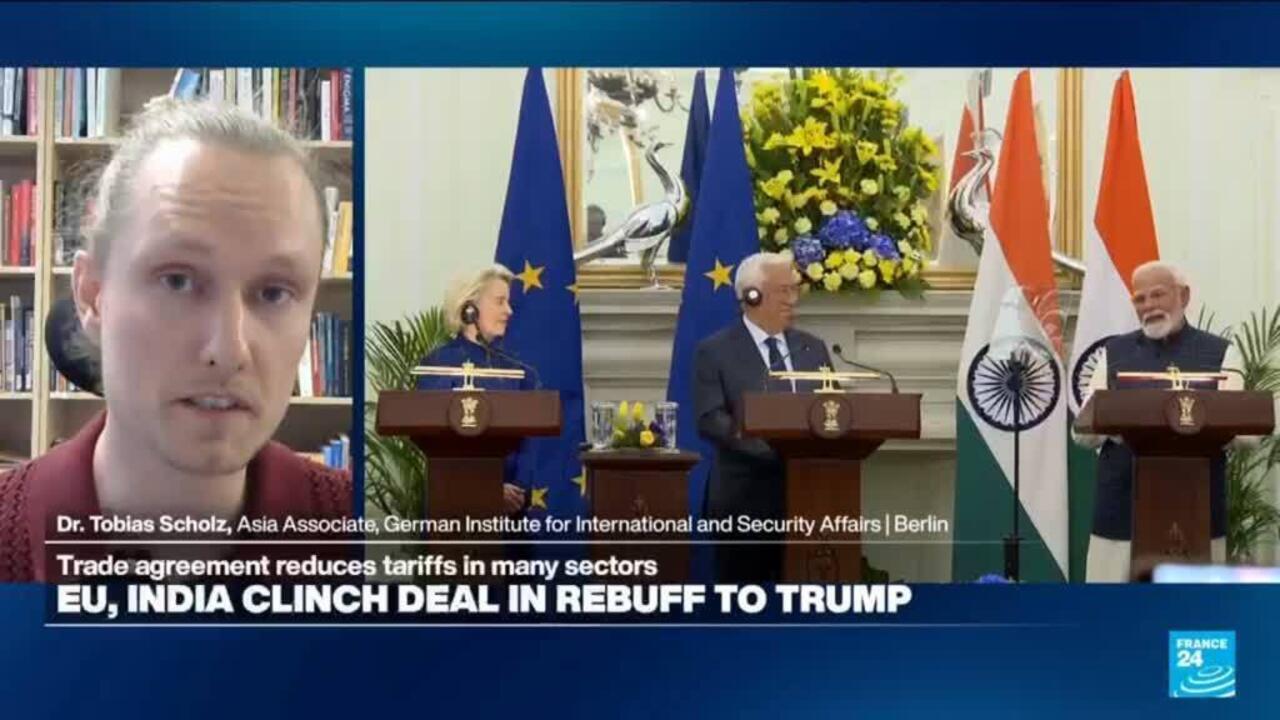
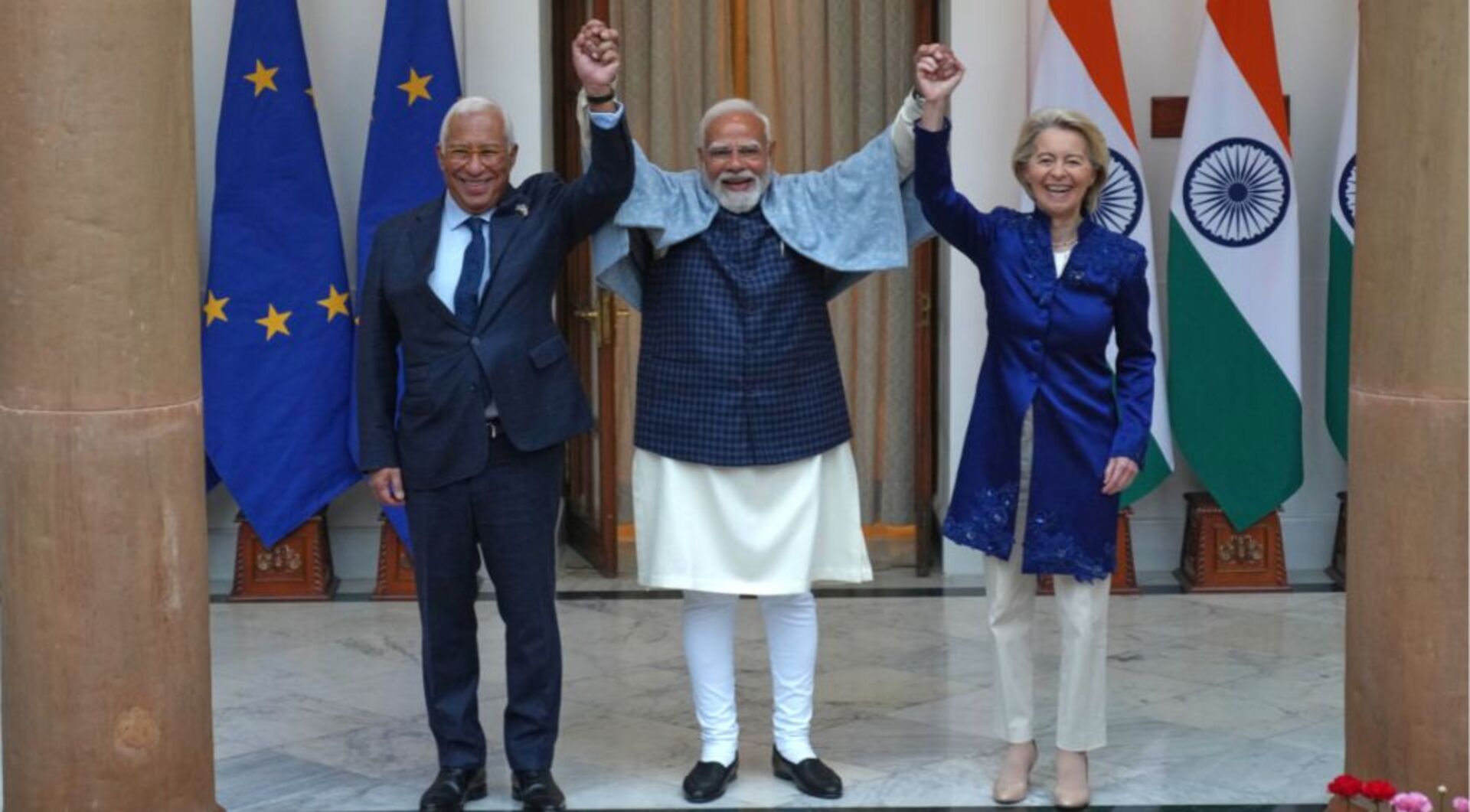
The European Union and India have finalized a landmark trade agreement after nearly twenty years of intermittent negotiations, marking a significant realignment in global economic partnerships as both blocs seek to reduce dependence on dominant powers amid escalating geopolitical tensions.The deal, now awaiting ratification, represents a strategic pivot for both the EU and India in a rapidly evolving international landscape shaped by Russia's invasion of Ukraine, rising economic protectionism, and the recalibration of traditional alliances. Unlike the controversial EU-Mercosur agreement, the India pact has garnered broader support by strategically excluding sensitive agricultural sectors that have historically derailed similar negotiations.According to Dr. Tobias Scholz, Asia Associate in the Research Cluster of Cybersecurity and Digital Policy at the German Institute for International and Security Affairs, the timing reflects both parties' recognition of each other's enhanced strategic and economic relevance. "Russia's war on Ukraine, the rise of economic protectionism, and a recalibration of global partnerships have pushed both the EU and India to re-evaluate each other's strategic and economic relevance," Scholz explained in comments to France24.India's growing economic stature has positioned the nation as an increasingly attractive partner for the EU, which seeks to diversify its trade relationships and reduce strategic vulnerabilities exposed by recent global crises. The agreement comes as Western nations reassess their economic dependencies following supply chain disruptions and the weaponization of trade relationships by major powers.The exclusion of agricultural provisions, while potentially limiting the deal's immediate economic impact, has proven crucial in securing political support across EU member states. This pragmatic approach contrasts sharply with the stalled Mercosur agreement, which has faced fierce opposition from European farmers concerned about competition from South American agricultural imports.For India, the agreement represents validation of its rising global influence and provides enhanced access to European markets at a time when the country is positioning itself as a key player in the emerging multipolar world order. The deal also strengthens India's hand in its complex balancing act between Western partners and traditional allies like Russia.The agreement's progression through ratification will serve as a crucial test of whether middle powers can successfully forge independent economic partnerships that challenge the traditional dominance of major powers in shaping global trade architecture.