A recent cluster of Nipah virus (NiV) cases in India’s eastern state of West Bengal is generating heightened biosecurity vigilance across key Asian economic hubs, notably China and Southeast Asian neighbors. With millions preparing for major travel during the Lunar New Year holiday, health ministries in several nations have swiftly implemented tightened screening operations at international airports.
The Indian health ministry confirmed two laboratory-verified cases since December 2025, reportedly involving healthcare workers. While contact tracing has identified 196 asymptomatic, negative contacts, the incident has reignited regional sensitivity concerning infectious disease containment, particularly given the virus's high lethality.
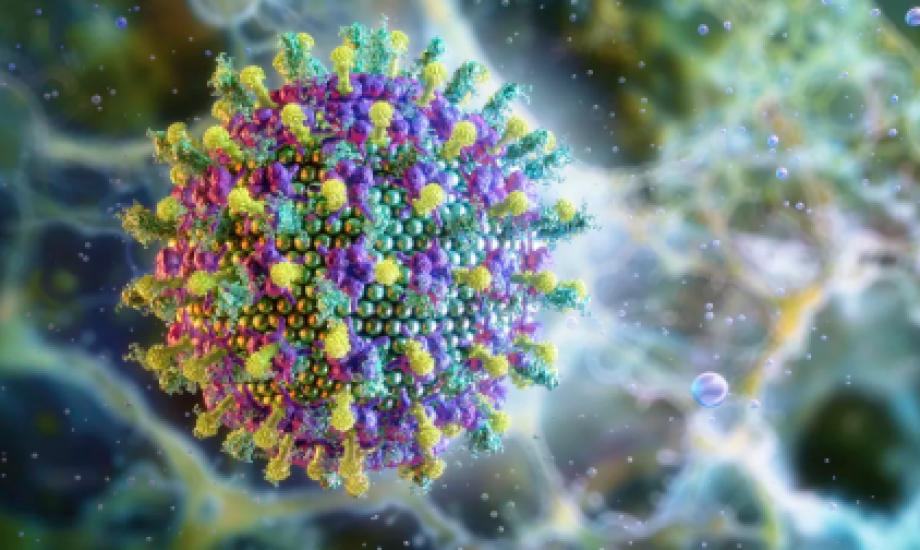
The Nipah virus, a zoonotic agent typically transmitted via fruit bats, poses a severe neurological threat, characterized by a case fatality rate ranging from 40% to 75% in documented outbreaks. Dr. Kaja Abbas of the London School of Hygiene & Tropical Medicine notes that while severe, the virus's basic reproduction number (R0) is typically below one, suggesting limited human-to-human spread potential, differentiating it structurally from the COVID-19 pandemic.
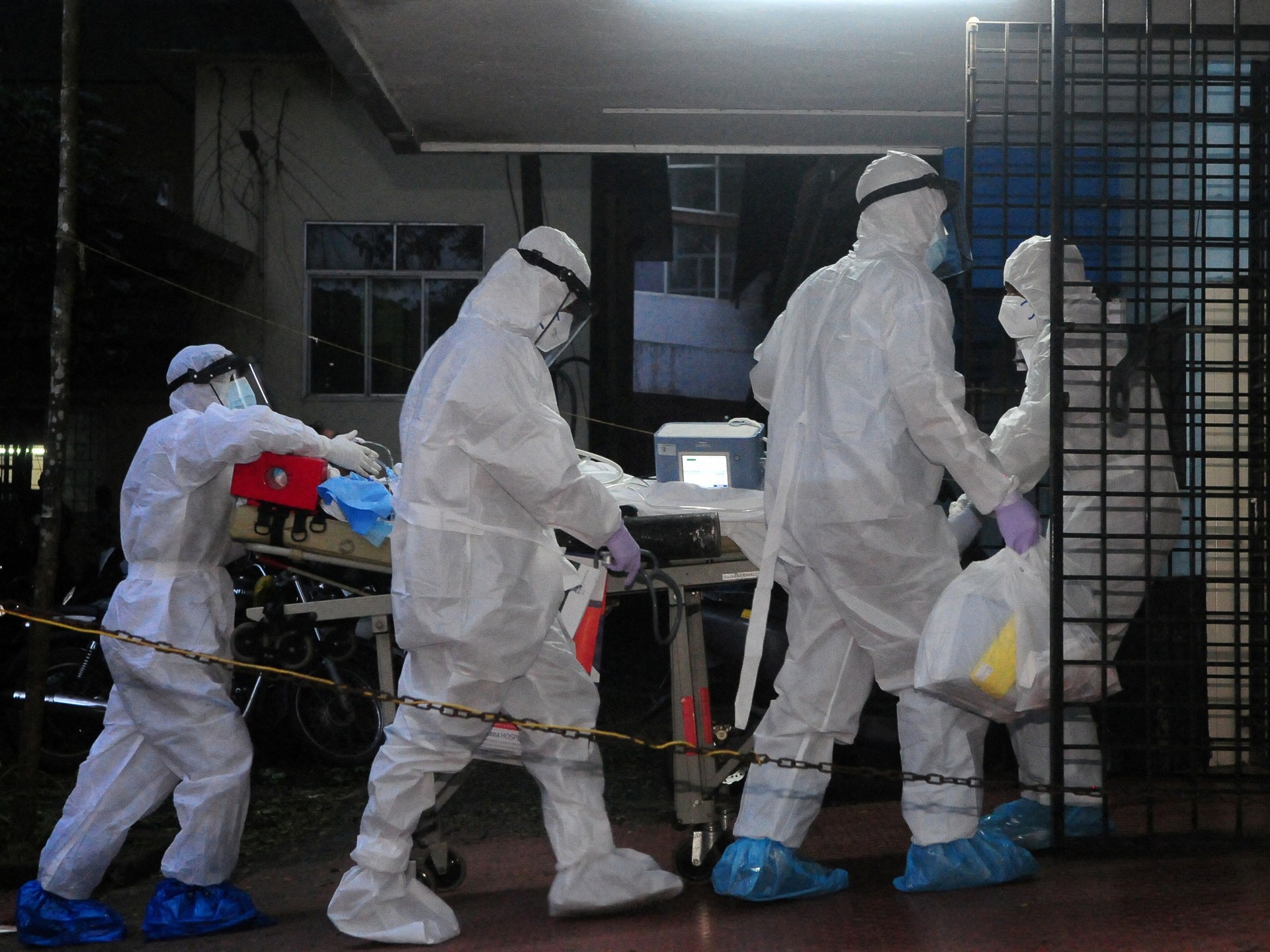
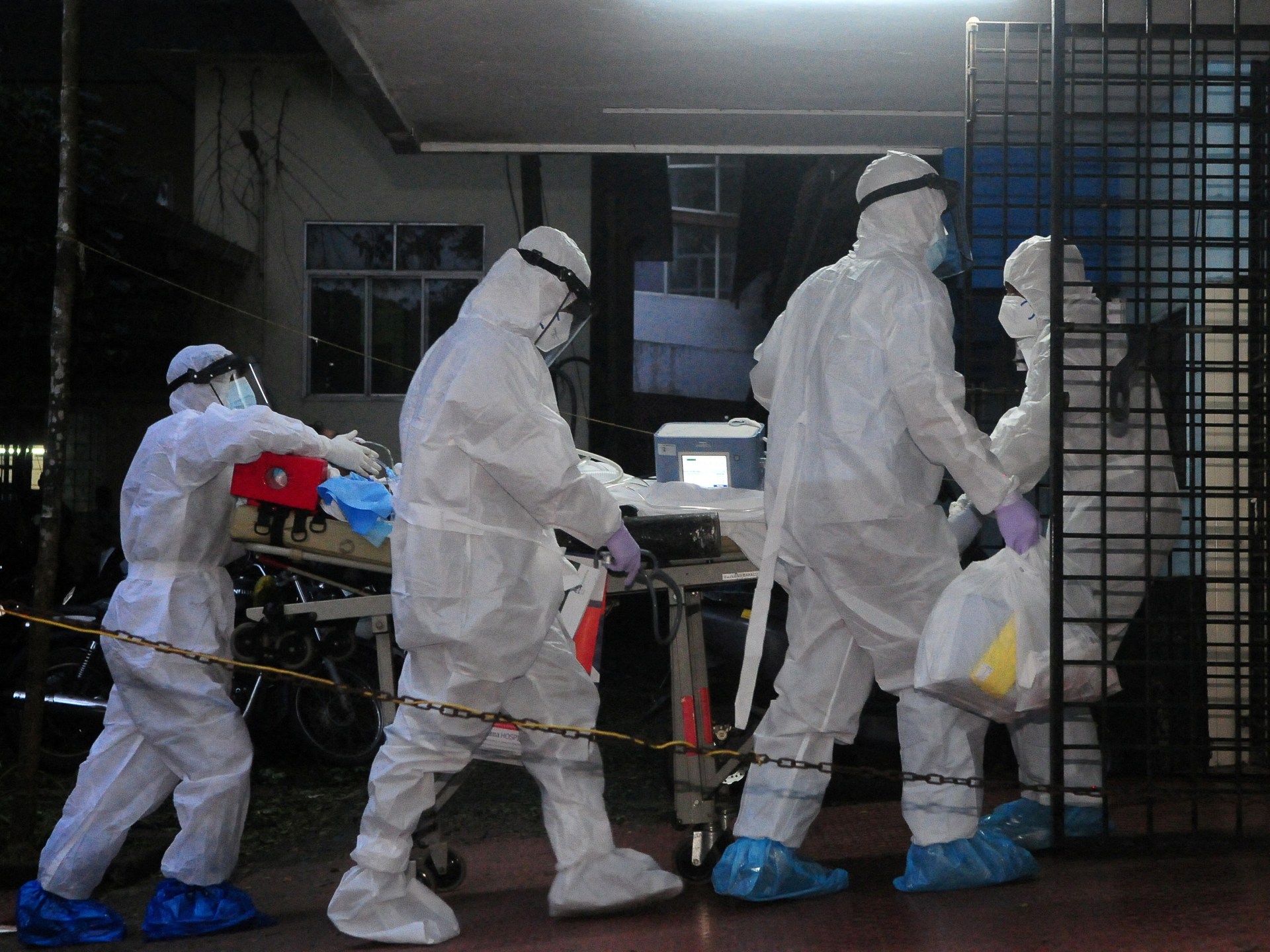
However, the historic context of NiV—which caused significant mortality in Malaysia in 1998 and recurs sporadically in South Asia—drives the current precautionary response. Regions like Kerala, India, are already considered high-risk zones. Experts speculate the West Bengal cluster may stem from nosocomial transmission, given the infected individuals were health personnel.
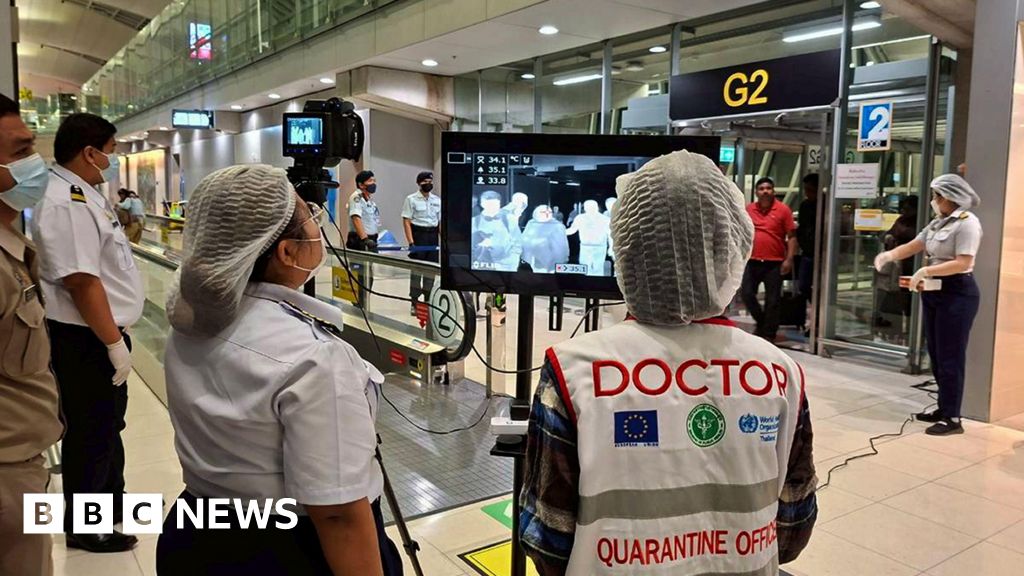
In response to the localized event, neighboring economies are activating dormant pandemic protocols. Thailand, Indonesia, Nepal, and Malaysia have notably deployed thermal scanners and mandatory health declaration forms for arrivals from affected areas. China, wary of imported risks preceding peak holiday travel, has seen significant public concern reflected on domestic social media platforms.
Currently, no approved vaccine or specific antiviral cure exists for NiV, although clinical trials for a vaccine are underway in Bangladesh. Treatment relies on intensive supportive care, with drugs like Remdesivir showing potential efficacy in mitigating case fatality rates during previous Indian outbreaks, such as the one in Kerala.
Public health authorities are reiterating established WHO guidelines emphasizing environmental controls—such as protecting date palm sap and discarding visibly bitten fruit—alongside rigorous hygiene and proper use of personal protective equipment in clinical settings. The focus remains on localized containment rather than widespread restrictions, providing a contrast to the extensive global lockdowns seen previously.
This incident serves as a critical stress test for regional pandemic preparedness architectures, demonstrating the rapid, coordinated activation of border health security measures in response to emerging zoonotic threats, as reported by Al Jazeera.