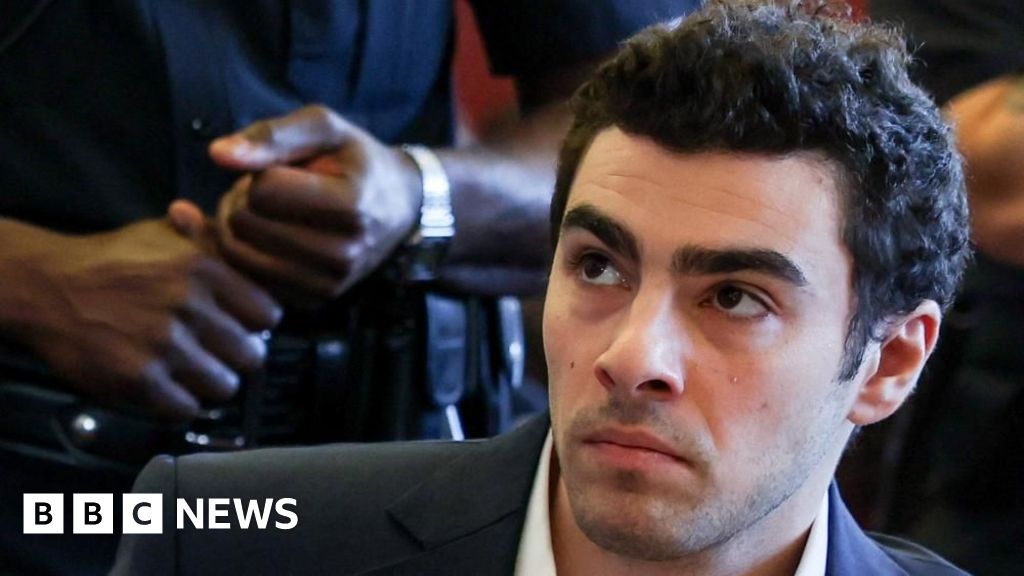
A federal judge has dismissed the capital punishment element from the case against Luigi Mangione, who faces charges related to the December 2024 shooting death of UnitedHealthcare Chief Executive Officer Brian Thompson in New York City. US District Judge Margaret Garnett ruled that two of the four federal charges against the 27-year-old did not meet the statutory definition of a 'crime of violence' necessary to invoke the death penalty. Mangione remains detained and faces separate state charges, including second-degree murder, which carry a maximum sentence of life imprisonment.
Judge Garnett stated explicitly that the ruling was solely to foreclose the death penalty as an available punishment for the jury to consider in the federal proceedings. The Department of Justice, which had labeled Thompson's murder a "premeditated, cold-blooded assassination," has thirty days to challenge the judge's decision to remove capital punishment from the sentencing options. Mangione's defense attorney, Karen Agnifilo, expressed relief following the ruling, stating readiness to contest the remaining charges.
In a tactical victory for prosecutors, the court permitted the introduction of evidence seized from Mangione’s backpack at the time of his arrest in Pennsylvania. This evidence includes a firearm, fraudulent identification documents, and a notebook allegedly detailing the defendant's grievances against the US healthcare infrastructure. Defense counsel had sought to suppress this material, asserting it was obtained without a proper warrant.
Brian Thompson, fifty years old, was fatally shot outside a Manhattan hotel while attending an investor conference. Investigators noted that shell casings recovered at the scene bore inscriptions potentially referencing common insurance claim denial tactics, suggesting a motive tied to corporate healthcare practices. Mangione, an Ivy League graduate from a family in Maryland, is also confronting nine state charges.
Jury selection for the federal trial is scheduled to commence on September eighth, with opening arguments slated for October thirteenth. State prosecutors, however, are pushing for an earlier trial date as soon as July, creating potential scheduling conflicts. The outcome of the federal ruling significantly alters the procedural trajectory for the defense team moving forward.
This case draws attention to the contentious intersection of corporate leadership, perceived systemic failures, and violent retribution in high-profile economic sectors. The exclusion of the death penalty in the federal track places greater emphasis on the pending state murder charges as the ultimate punitive measure. Further legal maneuvering regarding evidence admissibility will shape the narrative presented to the jury.