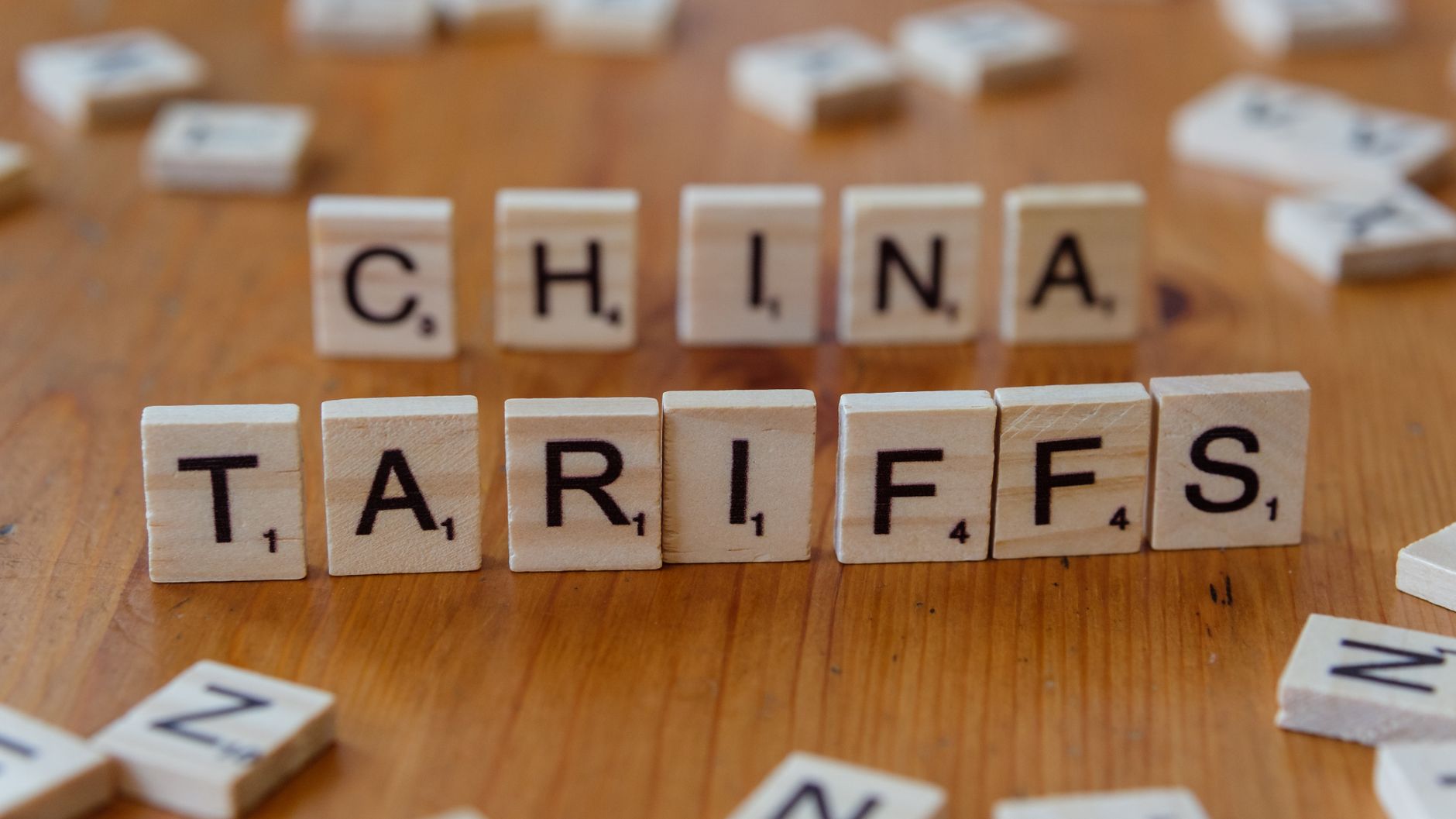
The Trump administration has proposed a new slate of trade tariffs targeting 14 of the United States' key trading partners, including China, India, and the European Union. The announcement, made by the US Trade Representative (USTR) on Wednesday, comes on the eve of Thanksgiving.
According to Al Jazeera, the new policy threatens further hikes on nations such as Vietnam and Indonesia if trade negotiations fail. The measures are expected to take effect in early 2027.
While the exact implementation date remains unconfirmed, a senior US official told the AFP news agency that the tariffs would likely start in January at the earliest. BBC reporting suggests the measures are set to come into effect in January 2027.
China faces the most aggressive taxation under the proposal, with Al Jazeera reporting that its products could be subjected to a 40 percent import tax. Other targeted economies include Bangladesh, Cambodia, Indonesia, Japan, South Korea, Malaysia, Singapore, Switzerland, Taiwan, Thailand, and Vietnam.
Legal battles and trade strategy
The administration is citing Section 301 of the Trade Act of 1974 to justify the move. This follows an eight-month investigation into what Washington describes as "structural excess capacity," a condition where government subsidies and suppressed wages allow foreign industries to overproduce and undercut US manufacturers.
Jamieson Greer, the US Trade Representative, told CNBC that many trading partners are using "market distorting practices that tilt the trade balance in their favour while eroding America’s manufacturing base."
This latest round of protectionism follows a period of significant legal volatility for the administration's trade policy. In April 2025, President Trump attempted to impose sweeping import taxes known as the "Liberation Day" tariffs. However, the BBC reports that the Supreme Court ruled those specific measures illegal in February of this year.
Following that ruling, the administration pivoted in July to using Section 301 to impose tariffs on more than 80 countries, specifically targeting goods made with forced labor. The current proposal shifts the focus back to industrial subsidies and unfair competitive advantages.
Analysts suggest the administration may be using these tariffs as leverage to secure better terms in upcoming negotiations. Inga Fechner, a senior economist at ING THINK, told Al Jazeera that "while the legal justification for tariffs keeps changing, US protectionism is becoming increasingly difficult to unwind."