Peru’s long-standing reputation for macroeconomic resilience is masking a growing stagnation, as years of political turmoil transform its once-vibrant economy into what experts describe as a "zombie" system.
Despite a rotating door of eight presidents since 2018, the country has maintained sound public accounts and a stable currency. This perceived immunity to political chaos has long been the envy of a volatile Latin American region. However, economists argue that the disconnect between the political sphere and the national economy has reached a breaking point.
"That idea that the Peruvian economy and politics run on separate tracks is a half-truth," says Armando Mendoza, an economist at the Peruvian Center for Social Studies. "There is a point at which the economy is indeed affected by politics. It has been running on autopilot, in zombie mode, for a long time."
The cost of missed opportunities
While the economy continues to grow, the pace has slowed significantly. After averaging 4% annual growth in the early 2000s, the nation’s GDP has lagged since the political crisis intensified in 2018. Excluding the pandemic, growth has averaged just 2.3% since 2022.
Diego Macera, a director at the Peruvian Institute of Economy and board member of the Central Reserve Bank of Peru, contends that the country is failing to capitalize on high global prices for gold and copper. "With these international prices and our macroeconomic stability, there is no reason we couldn't be growing above 4.5% if we had moderately predictable and competent governments," Macera says.
This instability has tangible consequences for the population. Poverty rates remain higher than pre-pandemic levels, rising from 20% in 2019 to 27.6% in 2024. Real formal income only returned to 2019 levels this year, highlighting a slow recovery that has left many citizens behind.
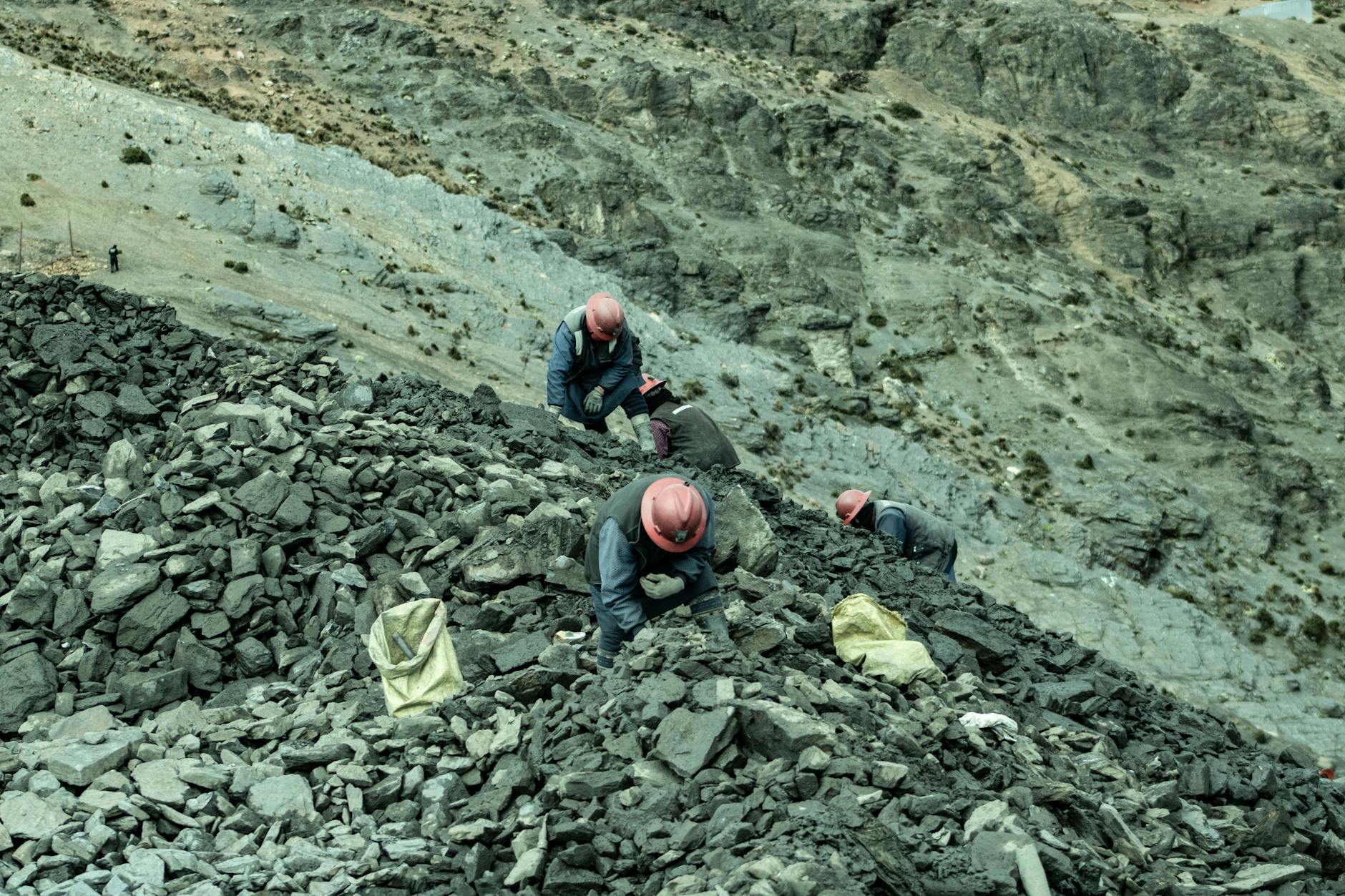
Constant cabinet reshuffling further complicates long-term planning. The average tenure for an economy minister is now just seven to eight months, making it nearly impossible for private stakeholders to maintain consistent dialogue with government officials. For capital-intensive sectors like mining, this lack of continuity creates a climate of uncertainty that discourages major investments.
"How can you do any planning if the ministers and their teams change every few months?" Macera asks. As the country heads toward new elections, the routine of political volatility continues to overshadow the nation’s structural economic strengths.